




Now that the two articles I have worked on in the past two months are finalized, I think I can disclose where and when they will be published. In the March 2011 issue of Physics World you will find two back-to-back feature articles on the LHC in 2011. Author, yours truly.

Cosmic Embryo #3: The ART of 3D Sun and Breast Cancer Imaging

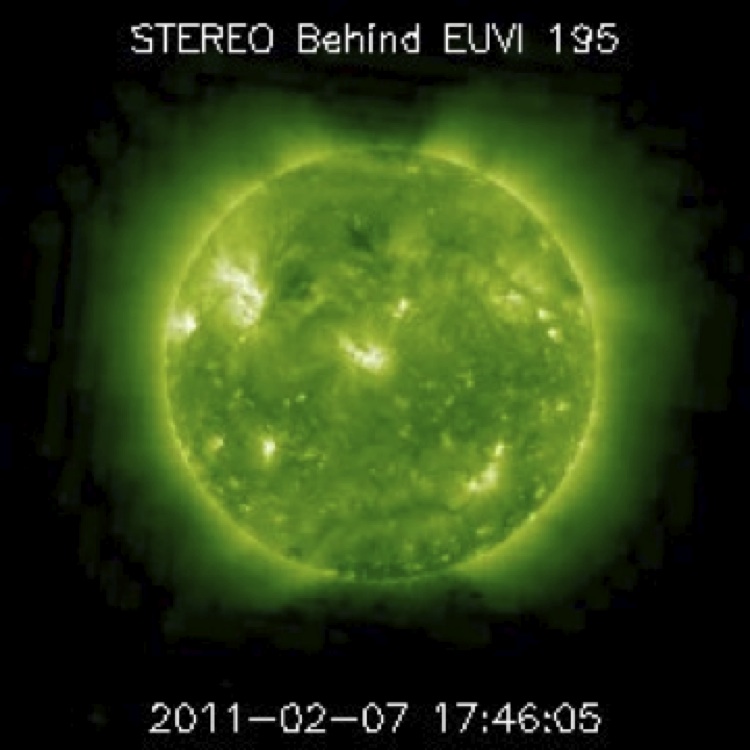
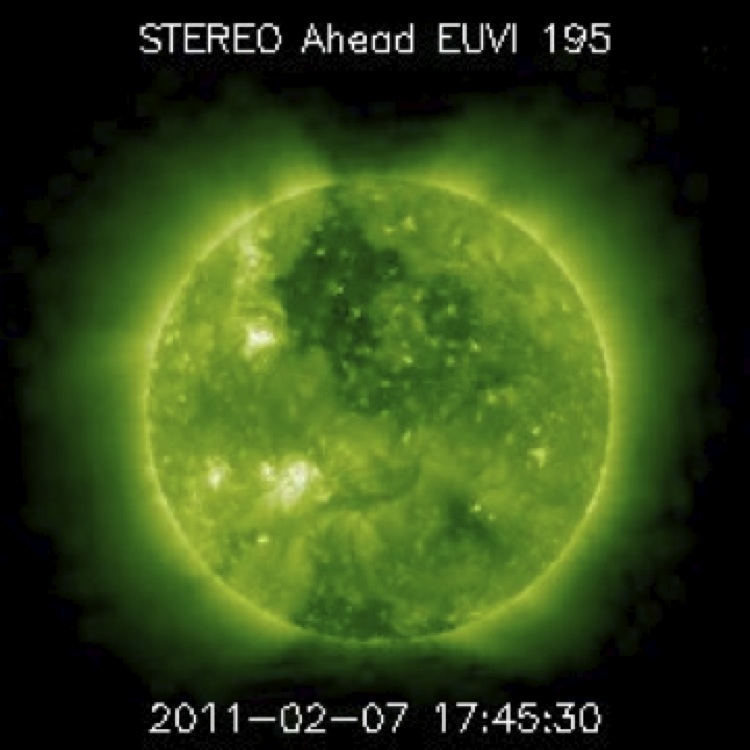
NASA Releasing First Views of the Entire Sun on Super Sun-Day [February 6, 2011]

http://www.nasa.gov/home/hqnews/2011/feb/HQ_M11-025_STEREO.html

DISCLAIMER: This blog is neither a letter by a child to his parents nor a path to become a scientist (simply because there doesn’t exist one…....or maybe there exist infinite ways of equal probability). It is just a description of the present scenario in India and other countries concerning science as a career. Also, the text may bear resemblance to the blogger’s life….


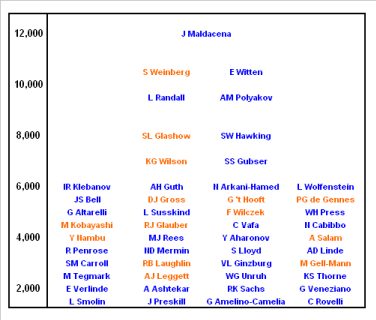
Who cites who? Science funding, tenure track appointments, all that is important to young scientists gets more and more dominated by citation analysis. This is certainly true in physics. Physics is very much a cumulative endeavor. Each physicist builds on earlier work, and therefore each new physics publication will cite the papers it builds upon. It is therefore not unreasonable to link the impact of a paper to the number of citations it attracts. 

The competitors in this racing are introduced in the previous entry about Galileos inclined plane experiments Galileo And Relativity - But More About Inclined Planes And Fun Simulations, which perhaps have not been really performed, but which we can find in museums.

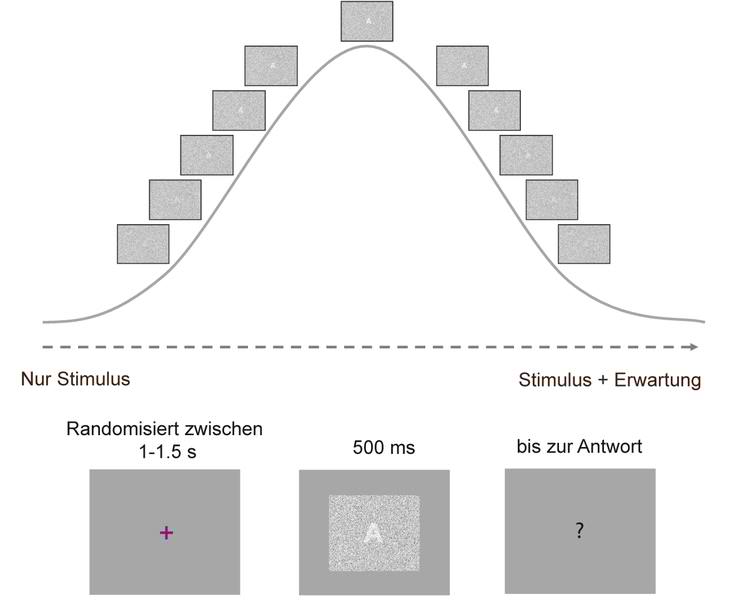
The human brain works incredibly fast but visual impressions are so complex that their processing takes up to several hundred milliseconds before they enter our consciousness. 

Researchers say they know why this delay may vary in length; if you already know what you are about to see, you recognize it faster.

When the brain possesses some prior information, such as when it already knows what it is about to see, conscious recognition occurs faster.    There has been some debate about whether or not the processes leading up to conscious perception were more rigid and if their timing varied.
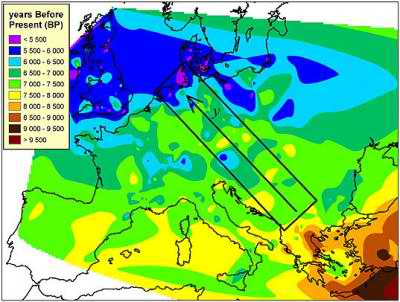
Between 8,000 and 9,000 years ago, the first farmers from Asia were already cultivating land in what is now Greece, according to archaeological remains, but in places like the United Kingdom, Denmark and Northern Germany farming did not happen until around 3,000 years later.

One of the most significant socioeconomic changes in the history of humanity started taking place around 10,000 years ago, when the Near East went from an economy based on hunting and gathering (Mesolithic) to another kind on agriculture (Neolithic) and farming rapidly entered the Balkan Peninsula and then advanced gradually throughout the rest of Europe.
Believe it or not, I’m rarely accused of being a romantic. I know, I know — baffling! And this even after I brought home Thai food for our anniversary.

Okay, I forgot the anniversary. But a couple days later when I brought home Thai food, boy was my wife surprised! Okay, okay, I didn’t actually *bring home* Thai food, because, you know, I was walking home from the park with the kids in the double stroller and by the time I got home it would’ve been cold…yadda, yadda, yadda.
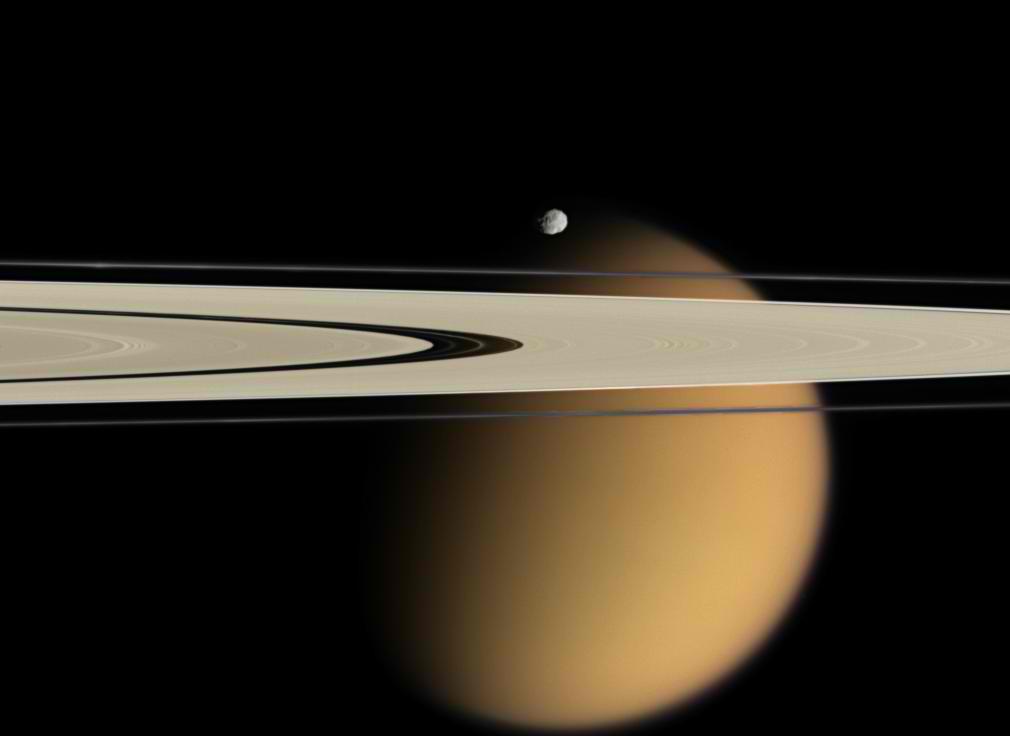
Sure, Los Angeles has a terrible smog issue but it could be worse; movie stars could live on Titan.  Titan, Saturn's largest moon, looks like a dirty orange ball but the actual composition is more like crude oil without the sulfur.  Titan's haze is made of tiny droplets of hydrocarbons with other, more noxious chemicals mixed in. 

But as nasty as that sounds, Titan is the only moon in our solar system with an atmosphere worthy of a planet at all.  At least it has lightning, drizzle and occasionally a big, summer-downpour style of cloud made of methane or ethane, hydrocarbons best known for their role in natural gas.

