




Last year, when CNN journalist Chris Cuomo was recovering from COVID-19, he endorsed all sorts of homeopathy and alternatives to medicine. It's no surprise, he is married to an influencer who just happens to sell those placebos to other wealthy, white elites. He's not alone. A surprising number of celebrities have spouses that promote nonsense.(1)
If you are a follower of Science20, you probably know that  I have always been very liberal in this column about what deserves to be mentioned as a possible new idea in Physics. I even invited some "non-conventional", independent scientists to write about their own ideas and pet theories here, in many occasions. I do not think this collides with the main purpose of this blog, which is to discuss real science and do some proper outreach and dissemination. In fact, I find it instructive and enlightening on what really Science is.
A new analysis of data shows the medical community may need to rethink the optimal strategy for treating blood clots and bleeding in hospitalized COVID-19 patients. Patients with COVID-19 in the intensive care unit (ICU) prescribed full-dose blood thinners were significantly more likely to experience heavy bleeding than patients prescribed a smaller yet equally effective dose - nearly 1 in 7 COVID-19 patients in the ICU experienced severe bleeding when given full-dose blood thinners. Almost all patients who experienced significant bleeding were mechanically ventilated and receiving full-dose anticoagulants (blood thinners).

The Centers for Disease Control and Prevention has changed its guidelines about masks and respirators a number of times over the past two years and gave its most recent update on Jan. 14, 2022. The update states that cloth face coverings offer the least protection from the coronavirus compared with surgical masks or N95-style masks. Christian L'Orange is a mechanical engineer who has been testing the performance of masks for the state of Colorado since the beginning of the pandemic. He explains the new CDC guidelines and the science of what makes for a good mask.

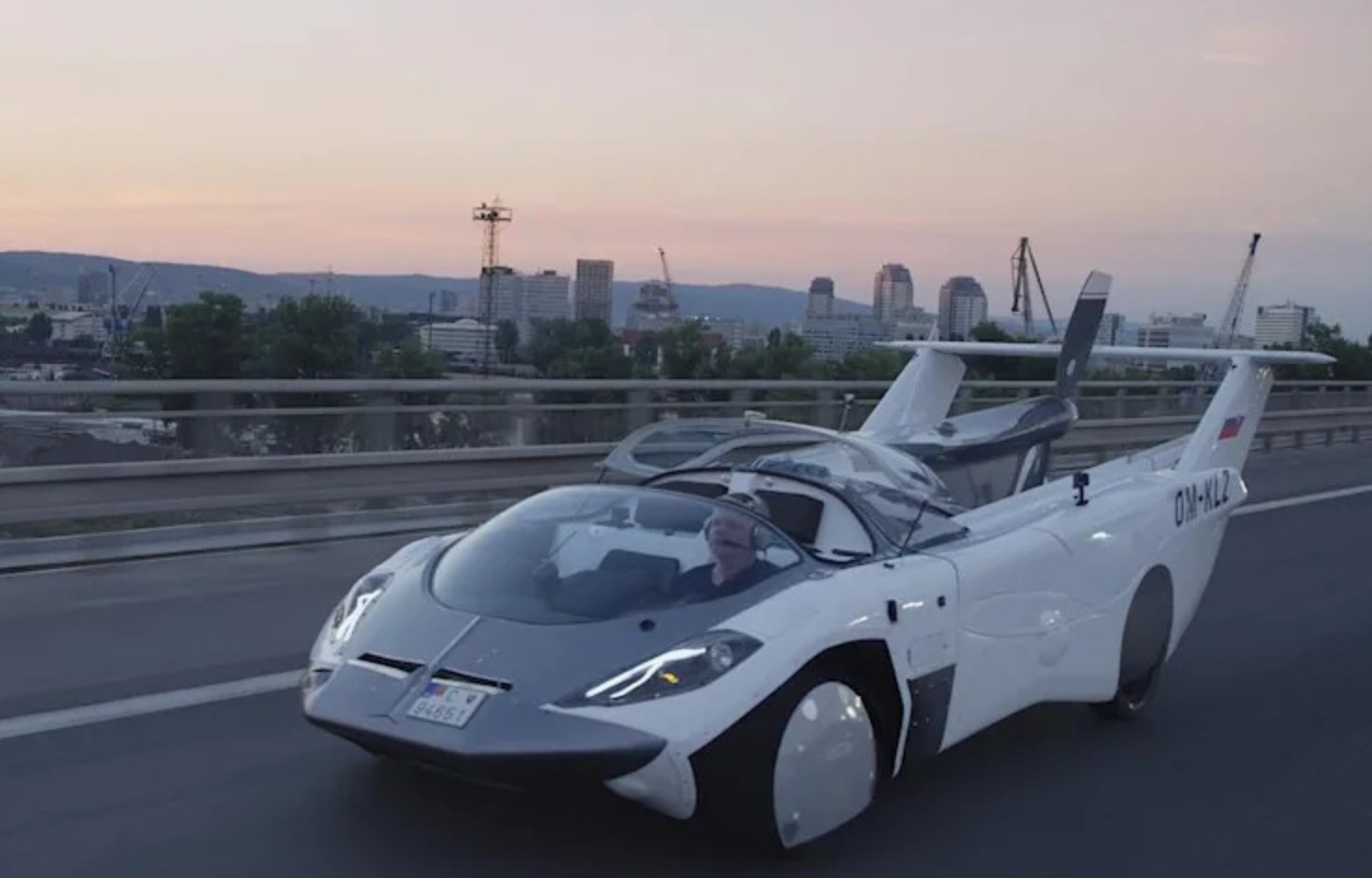
In the United States, flying cars have been almost here since the 1980s but, like Tubesat for personal satellites, it's basically involved a lot of money raised and no actual delivery. 

In Slovakia, a 1.6L BMW engine in a two-seat prototype has changed all that. After a successful demonstration last year, AirCar has performed 70 hours of flight testing compatible with European Aviation Safety Agency (EASA) standards, including over 200 takeoffs and landings. They even did it on autopilot. It can go from ground driving to air travel in under 3 minutes. 
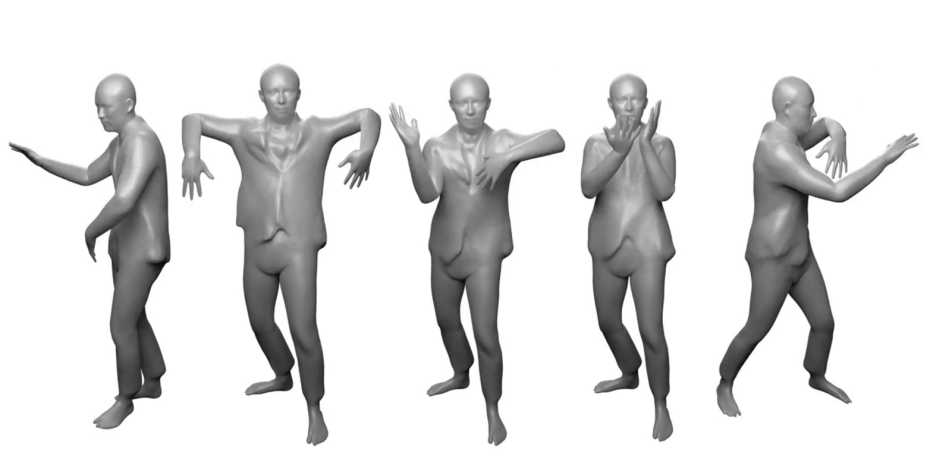
Unless you see yourself as a human with a Dogecoin dog atop your neck, avatars are not very realistic. The lack of realism in the digital realms, combined with how tedious VR glasses are, means conferences, meetings and discussions with work colleagues are only slightly more advanced than conference calls of 40 years ago.

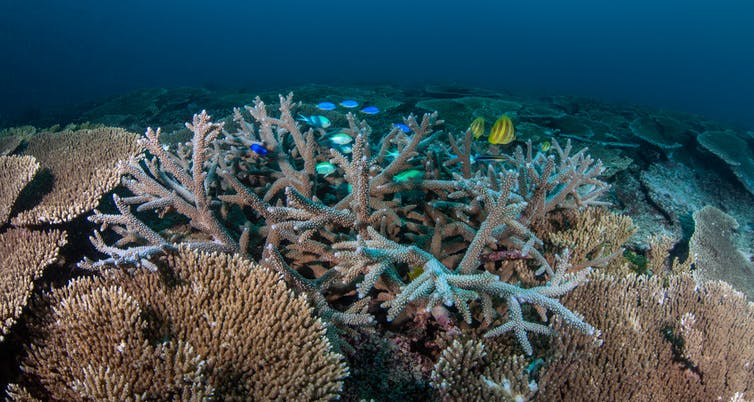
Around the world, populations of many beloved species are declining at increasing rates. According to one grim projection, as many as 40% of the world’s species may be extinct by 2050. Alarmingly, many of these declines are caused by threats for which few solutions exist.

Numerous species now depend on conservation breeding programs for their survival. But these programs typically do not encourage species to adapt and survive in the wild alongside intractable threats such as climate change and disease.

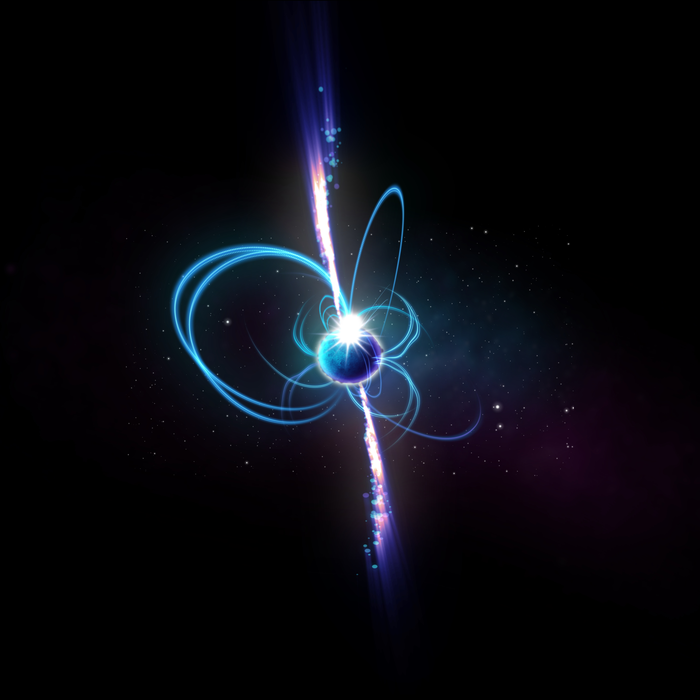
It could be a neutron star or it could be a white dwarf with an ultra-powerful magnetic field but something is releasing fantastic bursts of energy at periodic intervals.

When the burst happens, it is one of the brightest radio sources in the sky.

Objects that turn on and off aren’t new to astronomers, they're called ‘transients’, and they are the death of a massive star or the activity of the remnants it leaves behind. ‘Slow transients’, like supernovae, might appear over the course of a few days and disappear after a few months. ‘Fast transients’, like a type of neutron star called a pulsar, flash on and off within milliseconds or seconds.

As of now, 18 states have legalized recreational marijuana use while 36 have 'medical' cannabis laws but there is still debate about how cannabis may affect the abilities, real and perceived, of drivers under the influence.

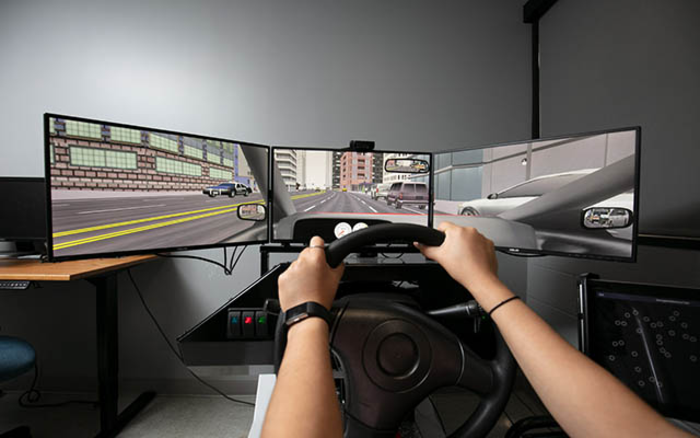
A two-year randomized trial, conducted at the Center for Medicinal Cannabis Research (CMCR) at University of California San Diego School of Medicine hopes to add some science to the anecdotes. Researchers recruited 191 regular cannabis users to partake of cannabis containing different levels of delta-9-tetrahydrocannabinol (THC), the psychoactive compound in cannabis or a placebo immediately before a series of driving simulation tests over several hours.


