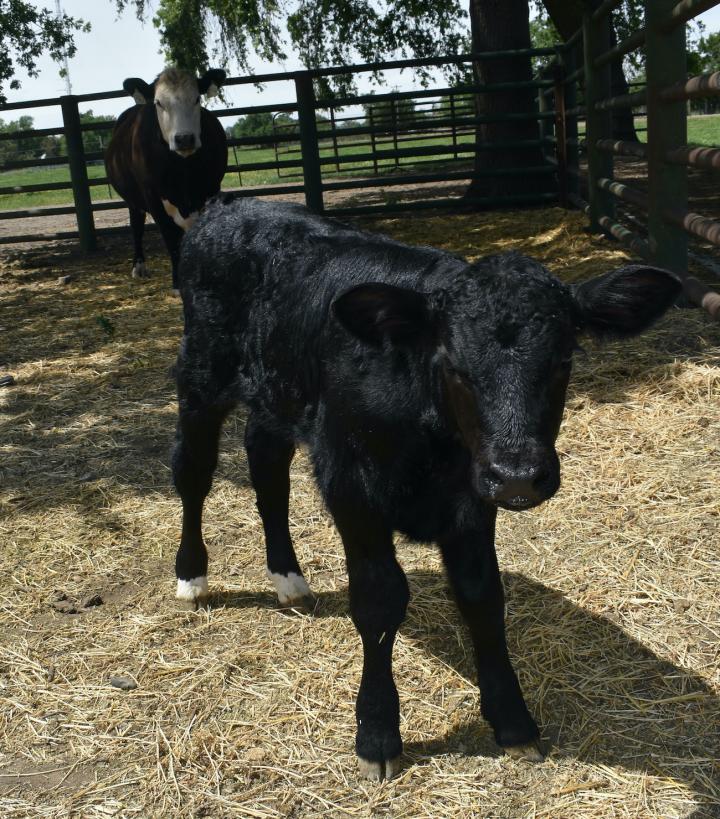

Using the genome-editing technology CRISPR, researchers can make targeted cuts to the genome or insert useful genes, called a gene knock-in, and they have done it with the cattle SRY gene, responsible for initiating male development, into a bovine embryo.

This first demonstration of a targeted gene knock-in for large sequences of DNA via embryo-mediated genome editing in cattle will mean it produces male offspring 75 percent of the time.

That's not to increase sexism, it's a benefit because male cattle are about 15 percent more efficient at converting feed into weight gain than females. That keeps costs low, especially on the checklist now when we have seen how precarious food supply can be for the poor, and it's better for the environment.
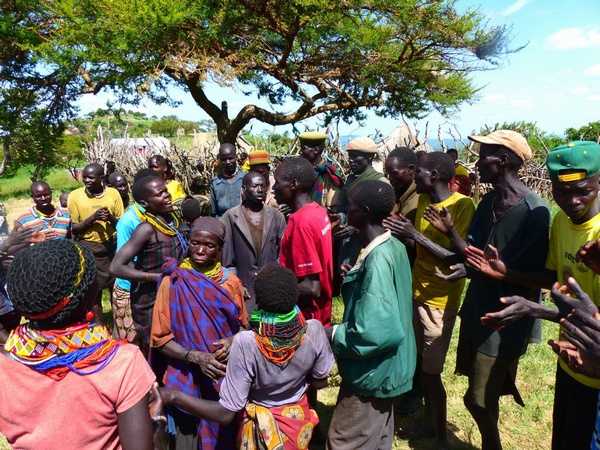
In a 1972 book, "The Mountain People", Colin Turnbull deemed the the Ik ethnic group of hunter-gatherers in the Uganda mountains 

There was a huge confounder in his work that scientists would've noted immediately and now fellow anthropologists have caught; since the observations were done during a severe famine in the mid-1960s, they did not uncover typical behavior of the Ik. Instead, sharing and cooperating re-emerged once resources were plentiful enough.
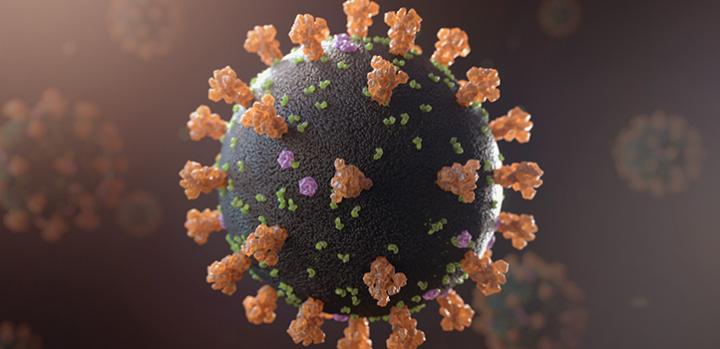
A protein in the viruses causing COVID-19 and SARS is almost identical, which means existing FDA-approved drugs, already tested in mice infected with SARS, could improve the outcomes for COVID-19 patients experiencing severe respiratory symptoms.
In order to evolve you must first survive, and Darwin posited that this "survival of the fittest" was a driver in natural selection. To the casual reader in 1859, cooperation was hard to reconcile with that, but humans had become the apex predator by both cooperating and competing. 

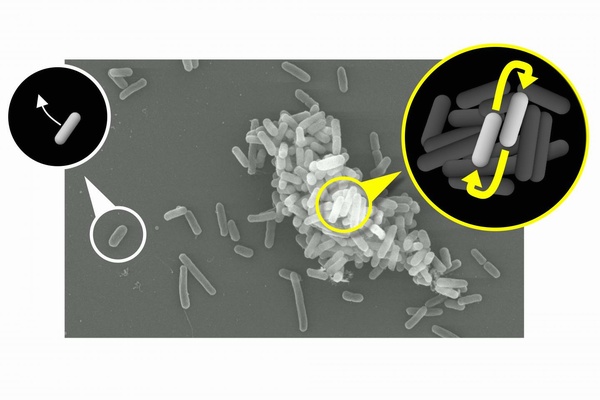
Cooperation is actually quite common. We have bacteria in our guts which can be helpful or harmful but are often helpful. Root bacteria fix nitrogen from the atmosphere, thus making it available to plants. In return, the plant supplies its root bacteria with nutritious sugars. Our own energy cells, mitochondria, have to have been created after mutually benefiting by trading energy for protection - they even have their own genome.
A recent survey results analysis sought to quantify the happiness of married, formerly married and single people at the end of their lives - to find out just how much love and marriage played into overall well-being. 

The 7,532 participants were surveyed periodically from ages 18 to 60 and the psychologists sought to determine who reported to be happiest at the end of their lives.
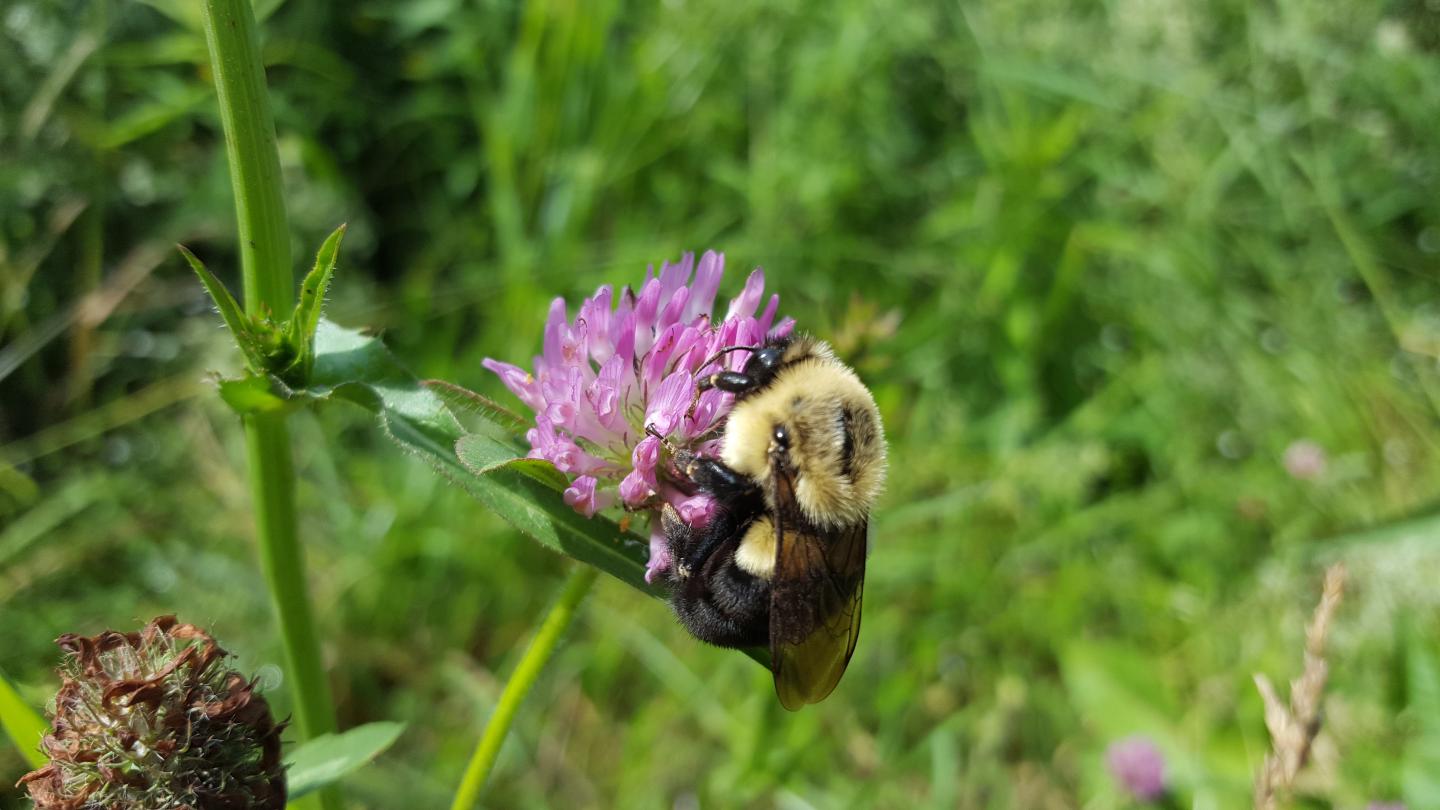
Bees face a variety of challenges in the modern world. Changes to land use and evolving parasites have always been significant issues. For as long as beekeeping records have been kept, 1,100 years, there have been accounts of colony collapse disorder. Just about the only thing science has determined is not killing them off periodically are neonicotinoid pesticides, the one thing environmentalists insist is the problem.

While not in crisis, they rebounded fine after the latest periodic blip in numbers, it's good to think about how to prevent losses without incurring the cost of chemicals. One way, according to a new paper, is to prevent spread between species.
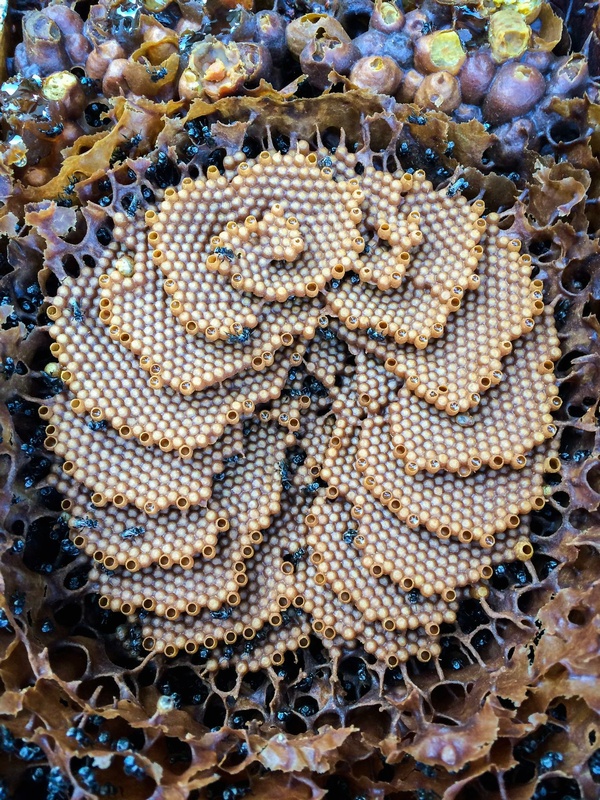
In Australia, native people have long contended that  native stingless bee honey had special health properties. Like the well-known Apis mellifera honeybees, stingless bees live in permanent colonies made up of a single queen and workers, who collect pollen and nectar to feed larvae within the colony.

And a new paper does find that nearly 85 percent of its sugar is trehalulose, not maltose, and trehalulose has a lower glycemic index, but claims that makes it healthier are going to deceive the public. Sugar is still sugar. Claims that native peoples who eat a lot of it have lower diabetes ignore too many other confounders to count. 
There is no magic food that causes weight gain, in every study people who consume fewer calories than they burn lose weight while people who consume more gain it. Energy balance, like evolution and Einstein, has survived all challengers. 

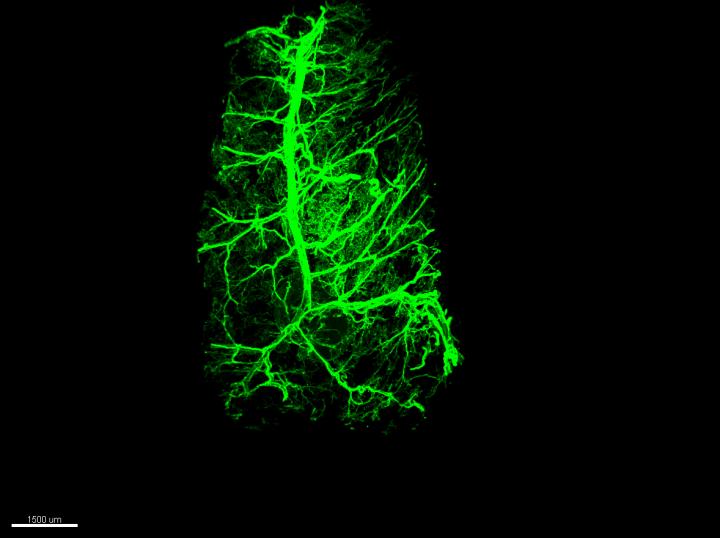
Yet the biology underlying the breakdown of stored fat molecules is not well known. A new paper posits that nerves embedded in fat tissue have previously unrecognized capability. If they receive the right signal, they have an astonishing capacity to grow. At least in mice.
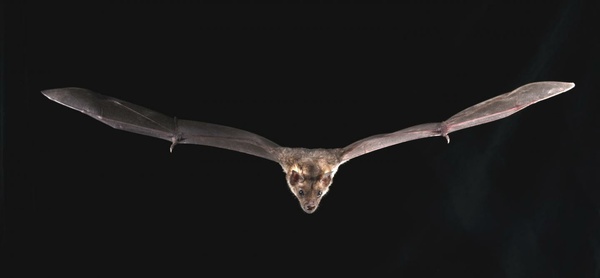
We're going to learn a lot more about how bats do all of the things they do, in part due to the work of the Bat1K consortium to sequence the genome of six widely divergent living bat species.
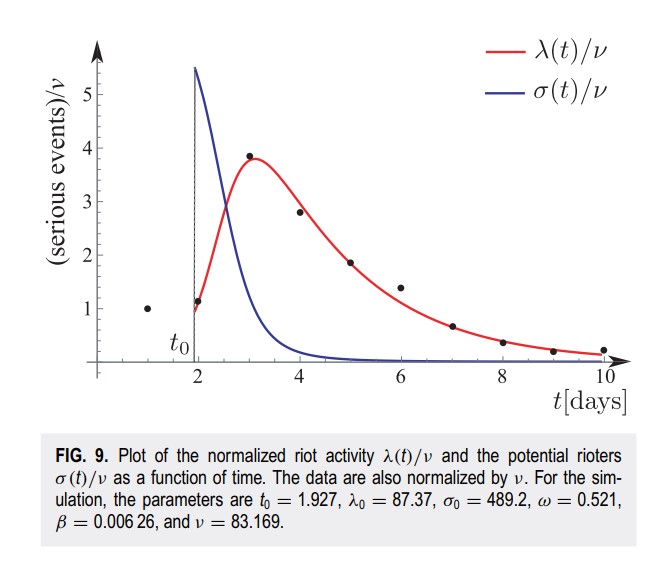
Is it possible to predict nonlinear behavior, such as when a protest will become a riot? Perhaps, though parameters bring special challenges.

We've seen the weaknesses of numerical modeling when it comes to disease epidemiology, and many of those concerns were evident before SARS-CoV-2 took the world by storm. In Chile of 2019, social unrest disrupted the daily routines of many citizens so scholars recently combined well-known epidemic models with tools from the physics of chaos and interpreted their findings through the lens of social science as economics.

