



Drinking 3-5 cups of coffee per day has been linked to protection against Alzheimer's Disease, according to a new review of studies.

The number of people in Europe aged over 65 is predicted to rise from 15.4% of the population to 22.4% by 2025 and, with an aging population, neurodegenerative diseases such as Alzheimer's Disease are of increasing concern.  Alzheimer's Disease affects one person in twenty over the age of 65, amounting to 26 million people world-wide.

Epidemiologists have linked regular, moderate coffee consumption with a possible reduced risk of developing Alzheimer's Disease. An overview of the findings were presented during a satellite symposium at the 2014 Alzhemier Europe Annual Congress.

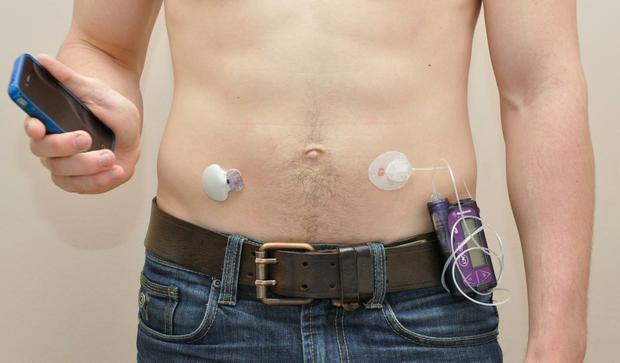
A clinical trial compared three alternative treatments for type 1 diabetes and confirms that an external artificial pancreas improves glucose control and reduces the risk of hypoglycemia compared to conventional diabetes treatment. 

An emerging technology to treat type 1 diabetes, the external artificial pancreas is an automated system that simulates the normal pancreas by continuously adapting insulin delivery based on changes in glucose levels. Two configurations exist: the single-hormone artificial pancreas that delivers insulin alone and the dual-hormone artificial pancreas that delivers both insulin and glucagon.

While insulin lowers blood glucose levels, glucagon has the opposite effect and raises glucose levels. 

Tomorrow I will be eating and science will barely be on my mind.

It will be on some minds. Some people will be trying to find a creative way to make vegan turkey, or free-range stuffing, and generally avoid all chemicals. Good luck with that.

Thanksgiving is Hell for chemophobes, though so are the other 364 days when they get hit with the scientific mic-drop notion that every food on earth contains a carcinogen known to cause cancer in rats

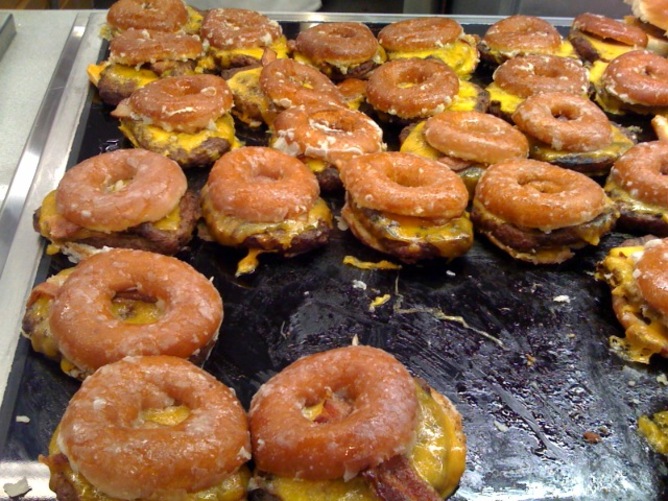
Labels won't save you, it's all stuffed with chemicals, we just don't get told about them on labels if a chicken craps them out:

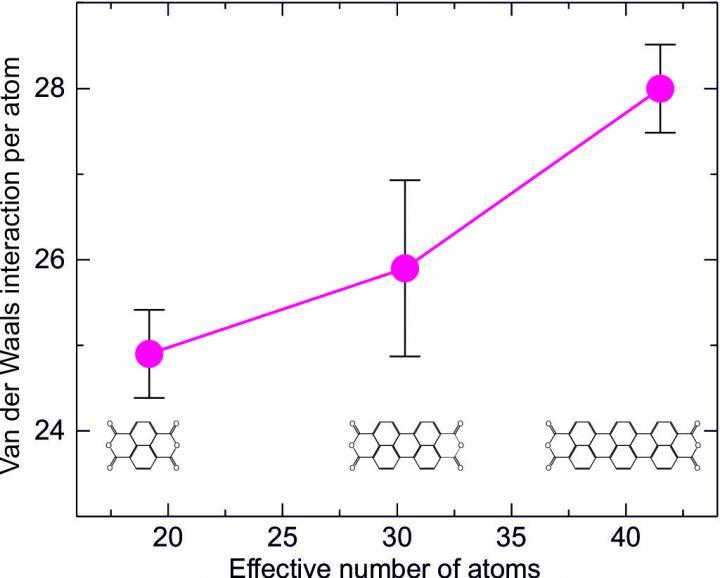
The van der Waals force, named after Dutch chemist Johannes Diderik van der Waals, is the total forces between molecules not due due to covalent bonds. The famous sticking power of the geckos is thanks to the van der Waals force. 

Although it was discovered in the 19th century, it is still difficult to quantify when predicting the behavior of solids, liquids, and molecules because precise measurements were only possible for single atoms. That won't do for understanding biomolecules and proteins. They are also responsible for the functioning of certain adhesives and are the reason why geckos can adhere so amazingly well to surfaces, even allowing them to climb smooth walls. 


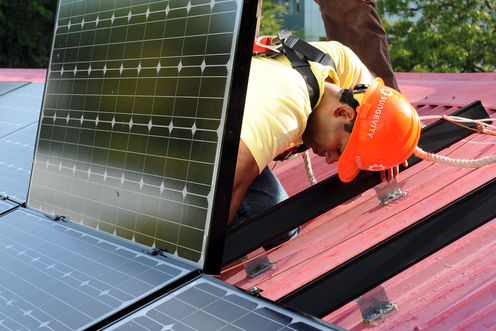
Roof-top solar panels are just one part of the micropower revolution. Presidency Maldives, CC BY-NC

By Morgan Saletta, University of Melbourne

There is no shortage of shouting and dire warnings about the state of the climate and our need to phase out fossil fuels. But there is a more silent revolution happening too — in micropower.

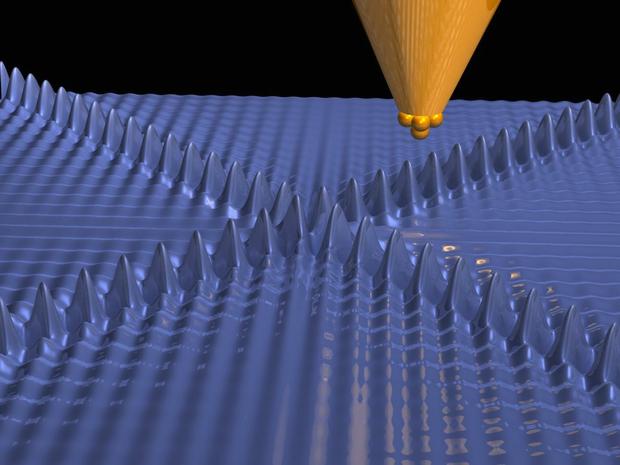
In metals like copper and aluminium, conduction electrons move around freely, in the same way as particles in a gas or a liquid.

But when impurities are introduced into the metal's crystal lattice, electrons cluster together in a uniform pattern around the point of interference, resembling the ripples that occur when a stone is thrown into a pool of water. Scientists have now discovered how to strengthen these Friedel oscillations and focus them, almost like using a lens, in different directions.

They've discovered (Nature Communications, DOI: 10.1038/ncomms6558) that at a range of 50 nanometers, these "giant anisotropic charge density oscillations" are many times greater than normal.

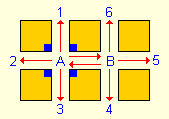
In a famous mathematical thought experiment, the goal is to make randomness deterministic by closed-form equation, so mathematicians tried to determine the path of a 'drunken sailor' staggering around a town. 

If there are street lamps, he will run into them, change his direction and keep moving until he gets out of the city. Logically, the time he spends in the area depends on the number of street lamps but the surprising answer is that the number of streetlamps are not the big factor.

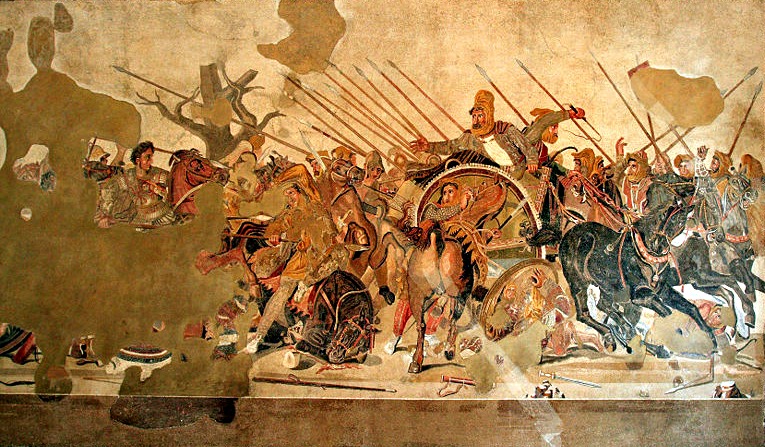
Necessity may be the mother of invention, at least if war is a necessity. And perhaps it is.

In the early days of humanity, survival was a combination of hardiness, keen engineering and intelligence - and nothing spurred on technological progress and vast social changes like the need to work together to kill other people, according to a new paper in Journal of the Royal Society Interface.


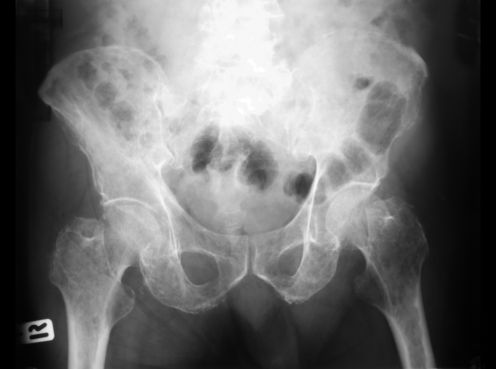
It's not in the bones, but it might not be in the brain either. X-ray image by Shutterstock

By Andreas Goebel, University of Liverpool

