


The United States, and other countries with modern science and technology regulations, have enjoyed terrific boosts in yields, so great that food has become a cheap commodity, which has allowed for alternative processes (organic, shade tree, natural, etc.) to flourish by charging a premium.

For any of you who haven't seen it, here is a stereo image of Ultima Thule, alternating between two images which help if you don’t have 3D Anaglyph glasses. The interesting thing about it is that there is no sign that the two lobes are more than slightly squashed by touching each other. They seem to have formed like this, in a gentle process, as separate objects that gradually grew by gravitational attraction of smaller pieces. Then eventually, the system lost energy probably due to influence of some third moon, and as they came together gently touched each other.

Lacking clairvoyant technology as in "The Minority Report", predicting teen rape is impossible, but there are risk factors that can be warning signs. 

A group of sociologists conducted interviews with victims from their university, a two-year college and community sites serving low-income young women, including a county health clinic and a transitional living program, totaling 148 college-aged women between the ages of 18 and 24 who experienced partner violence in at least one prior relationship.

Cells along the brain's cavities are equipped with tiny hair-like protrusions called cilia but relative to their importance, we know little about them. Unless they are not doing their job. People with ciliary defects can develop neurological conditions like hydrocephalus and scoliosis.

New research in Current Biology shows that cilia are essential for the brain to develop normally and gives us more insight into how cilia work and why they are so important to our brains.

The Environmental Protection Agency has requested comments on proposed ad hoc participants on the Science Advisory Committee on Chemicals, which inside EPA will analyze compounds as needed by the Toxic Substances Control Act. At the bottom is my official statement.
Though mitochondria, the energy factories of our cells, are the root of numerous diseases, including thousands in children each year, funding for such diseases is scant compared to heart or breast cancers or other medical issues.

That may be because it is hard to understand. But progress is being made. A group of researchers from the Andalusian Centre for Molecular Biology and Regenerative Medicine (CABIMER) has revealed new ways to understand the molecular basis of some human diseases that are stem from poor functioning of the mitochondria and, in this way, allow for the development of therapies against these diseases.

Every year most of us make New Year’s resolutions. Eat healthier. Exercise regularly. Invest more in valued relationships. Learn a language. And so on. Often they are the same resolutions as last year.

Why do our resolutions often so swiftly wither away?

A prime culprit in this annual roller coaster of optimism and disappointment is overconfidence in the power of our intentions.

The excitement of a new year (and perhaps the fruit of celebrating a little too hard) cloud remembering a hard fact of life: good intentions readily evaporate without a trace in the face of everyday experiences such as exhaustion, temptation and long-standing habits.

The year 2018 began much like every year does, full of promise and hope. And it ended like almost every year does, jaded and weakened by compromise. 

Though a budget shutdown is in the news, hyperbolic claims about science being left behind are just political spin by mainstream science media; the real science and health crimes were committed by many of those same journalists.

Since you clearly prefer science to hype, here are three manufactured health scares you can leave in 2018.


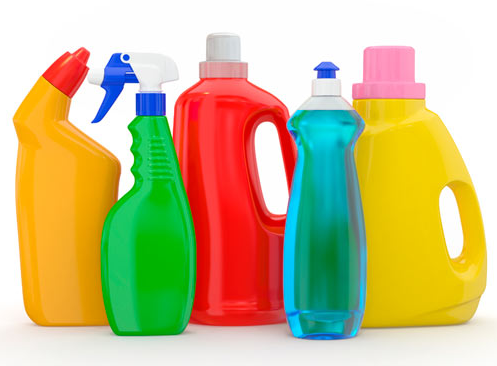
1. Cleaning your kitchen will make your kid fat.
[Update: I found the time to add a few links to the post below, which I had previously omitted for lack of time (hey I'm on vacation!), and I also updated it to add some commentary of Sabine Hossenfelder's latest post on "the end of particle physics".]

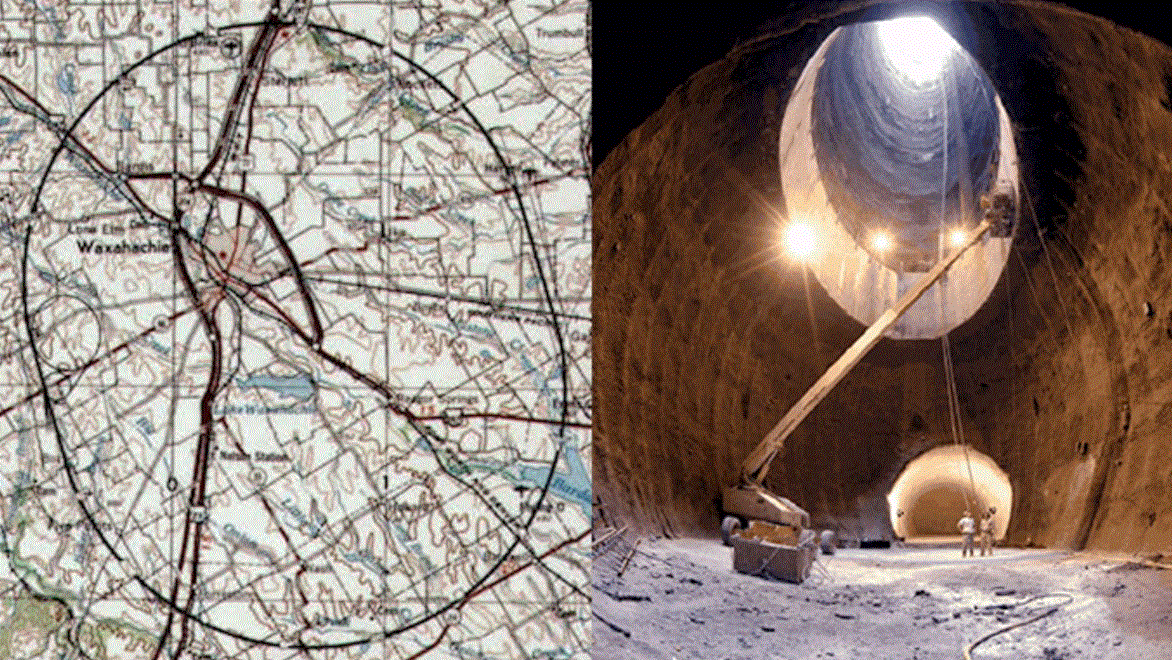
In this age of short-term reward strategies (in politics, in society, and in individual behaviour) planning huge endeavours 20 years ahead is harder than it used to be. In the late eighties, when the Large Hadron Collider (LHC) was conceived and argued to be doable by a few visionaries, it immediately looked like a great idea to all. 
European scientific decision-making is often overtly political and that can lead to decisions which defy common sense.

Case in point; disposing of food waste.

In some countries they want food waste separated into its own garbage can but people can't use plastic bags, even if modern science has created a plastic that is just as compostable as the food.

In some countries they can.

There is no way for science to Brexit so companies, researchers and even pro-science politicians remain stymied in parliament-style governments, which must cater to numerous constituencies, often in conflict with each other.


