Young patients with acute lymphocytic leukemia, the most common type of pediatric cancer, are likely to report that they adhered to their anti-cancer medication better than they really did.
And so do their parents.
Studies show that over 95 percent of prescribed doses must be taken to be effective but a new analysis instead finds that that 84 percent of patients or their parents over-reported adherence to a regimen of the oral maintenance therapy6-mercaptopurine (6MP), which is prescribed for two years after chemotherapy for patients to achieve durable remissions.
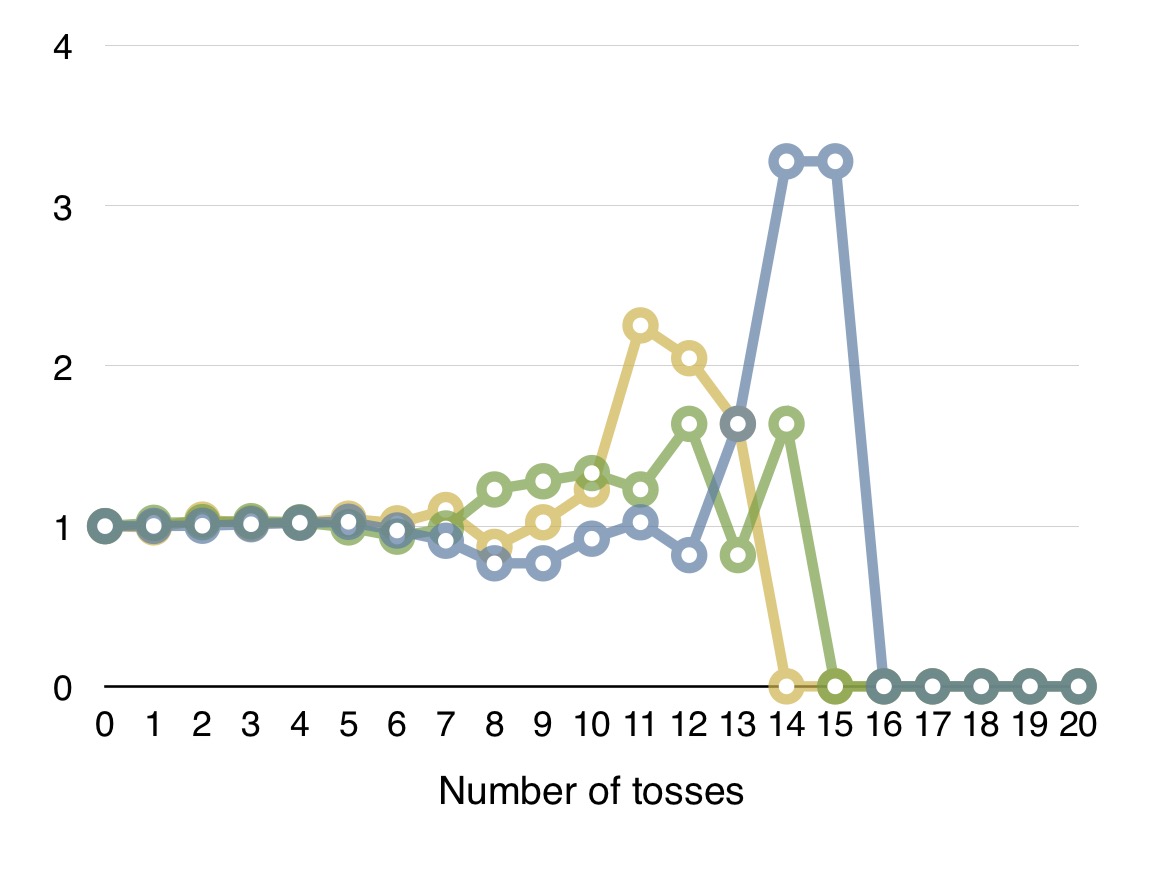
A few days ago I discussed the coin toss game ‘triple or bust‘. The game is between Alice and Bob. Alice start the game by writing a $ 1.00 IOU to Bob. Alice then makes at least six subsequent tosses with a fair coin. On each ‘heads’ Alice triples the IOU amount. On ‘tails’ she sets the IOU to zero.
In what seems like a scene from the movie Groundhog Day, another rat study has come out of the laboratory of Dr. Giles-Eric Séralini, only in this case it is Roundup and not GMOs that are under fire. When I read the title of the paper, “Multiomics reveal non-alcoholic fatty liver disease in rats following chronic exposure to an ultra-low dose of Roundup herbicide”,

A large-scale international study involving 700,000 participants has revealed 83 genetic variations controlling human height.
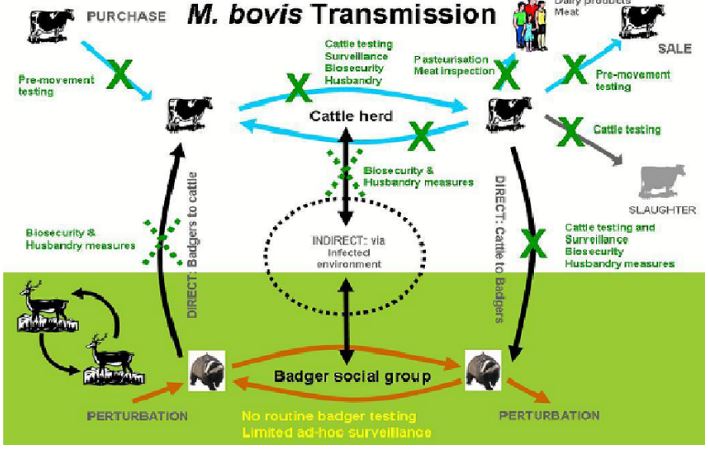
CRISPR/Cas9 gene-editing technology, a way to generate very precise gene knock-out kits, has now been used to produce cows with resistance to bovine tuberculosis.
Bovine TB, caused by Mycobacterium bovis, can be transmitted from livestock to humans, primarily if raw milk is consumed (just one reason to embrace post-1860 science about food, namely pasteurization), and even other animals.
Lubos Motl published the other day in his crazily active blog a
very nice new review of "
Anomaly! Collider Physics and the Quest for New Phenomena at Fermilab". The review is authored by Tristan du Pree, a colleague of mine who has worked in CMS until very recently - now he moved to a new job and changed to ATLAS! (BTW thanks Lubos, and thanks Tristan!)
I liked a lot Tristan's commentary of my work, and since he mentions with quite appreciative terms the slow-motion description of a peculiar collision I offer in my book, I figured I'd paste that below.
The email was simple enough. It was a request from a member of the press asking “I would appreciate your reaction/comments to the recently published study on GMO corn for an article I am putting together on it. Deadline: Wednesday 4 January.”
After a successful Women's March to protest statements made by President Donald Trump about women in 2005, and other issues, a group of science advocates got the idea for a similar "Science March" to protest the President's restriction on use of social media by the Environmental Protection Agency. And ostensibly to support science.
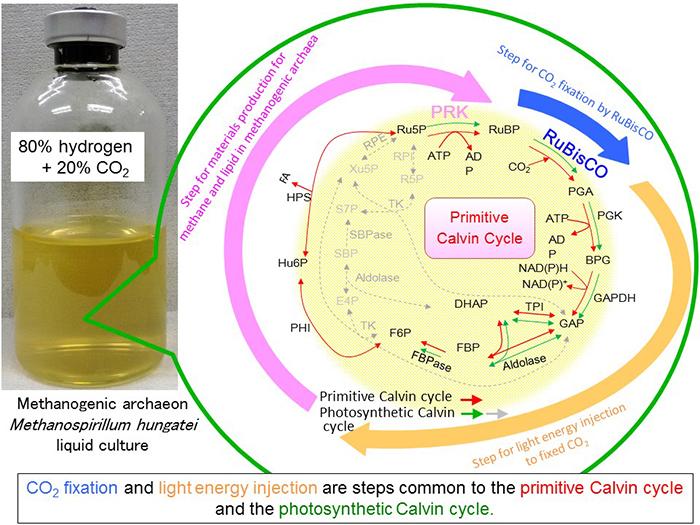
A primitive, non-photosynthesizing microbe, Methanospirillum hungatei, which is thought to have existed since before the development of photosynthesis, possess genes similar to those that play a role in photosynthesis, finds a new study.
Photosynthesis, creating oxygen and carbohydrates such as glucose from solar energy, water, and CO2, is indispensable for many species on this planet. However, it is unclear exactly how or when organisms evolved the ability to photosynthesize. A team has discovered an evolutionary model for the biological function that creates CO2 from glucose in photosynthesis.
Though scant progress has been made in treating or understanding Alzheimer's disease in the last 100 years, one thing is known; there are declines in glucose levels in the hippocampus early on. What has remained unclear is whether that is a cause or consequence.