



 Cuticular structure in a Late Maastrichtian crab, Costacopluma mexicana, from deposits near the town of from near Paredón, Ramos Arizpe in what is now southern Coahuila (formerly Coahuila de Zaragoza), north-eastern Mexico. We see this same species in the Upper Cretaceous Moyenne of Northeast Morocco and from the Pacific slope, Paleocene of California, USA. This beauty is in the collection of José F. Ventura.
 Diabetes mellitus and cardiovascular diseases are challenging medical and social problems. Patients with diabetes mellitus are at a higher risk of developing vascular dysfunction and hypertension. Cumulative evidence suggests that oxidative stress may play a key role in the development of diseases.

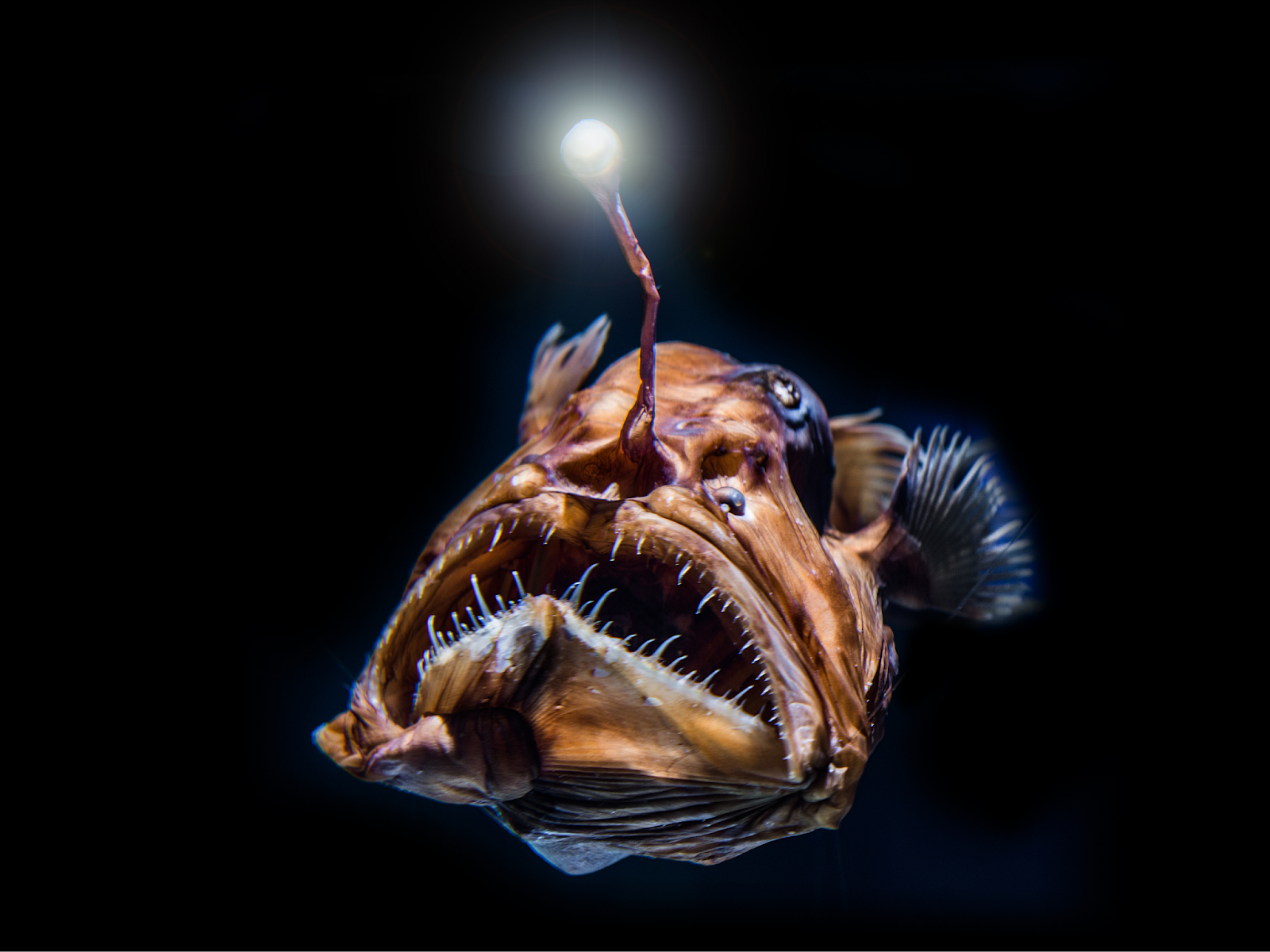
 The festive lassie you see here is an Anglerfish. They always look to be celebrating a birthday of some kind, albeit solo. This party is happening deep in our oceans right now.
Know Science And Want To Write?
Apply for a column: writing@science20.com
Donate or Buy SWAG
Please donate so science experts can write
for the public.
At Science 2.0, scientists are the journalists,
with no political bias or editorial control. We
can't do it alone so please make a difference.
We are a nonprofit science journalism
group operating under Section 501(c)(3)
of the Internal Revenue Code that's
educated over 300 million people.
You can help with a tax-deductible
donation today and 100 percent of your
gift will go toward our programs,
no salaries or offices.

Interesting insights from outside Science 2.0
