
Summary (of WHO press briefing on 16th March): We must test every suspected case for COVID-19. We must immediately isolate all cases, even the mild ones. Isolation needs to continue through to 14 days after the symptoms cease to make sure the patients are no longer infectious. The mild cases are best treated in hospitals but when there aren’t the beds for them, they can be treated in stadiums, or gyms, or treated at home. If they are isolated at home, the caregivers must know how to protect themselves or they risk infecting others in the same household.

I often get asked - “How long is this COVID19 pandemic going to last?”. The answer, according to the WHO, is that it is up to us. We can stop this. The only question is whether we will. Most countries in the world are acting vigorously to stop it with rigorous case finding, contact tracing and isolation. But the UK and, sadly, Netherlands have decided to follow another direction.

This can only be stopped if all countries are in it together, and for just one country to depart from this strategy means the virus will continue in that country and reinfect the rest of the world, at least until we have a vaccine, a year to eighteen months from now.

COVID19 can be stopped. China has nearly made it go away completely. China had no new cases even in Hubei yesterday (17th March). It had four cases only on the two previous days - and it's only getting a few cases from other countries.

South Korea has nearly got rid of it, down to less than 100 a day for several days after a peak of over 1000 a day.

China peaked in early February and has been declining ever since.

If you add all cases over the WHO "West Pacific" region of South Korea / Japan / Singapore / Malysia / Indonoesia then it had its peak of cases two weeks ago.

We haven't had a widespread flu problem since 2018. Yet despite it only being 2020, some insist this year's coronavirus must be the product of government scientists, though some also suggest it was the result of 5G cellular service in Wuhan. Then China claimed it might be the U.S.

What is the truth?

The novel SARS-CoV-2 coronavirus that emerged in the city of Wuhan is the product of natural evolution, finds an analysis of genome sequence data from SARS-CoV-2 and related viruses published today.

If there is reason for hope that coronavirus fears may mean pro-science beliefs get back to being the norm in modern culture, it is that regular chemicals have disappeared from store shelves in San Francisco while they clamor for vaccines they used to distrust. Meanwhile, there are plenty of organic alternatives and vegan food to be found.

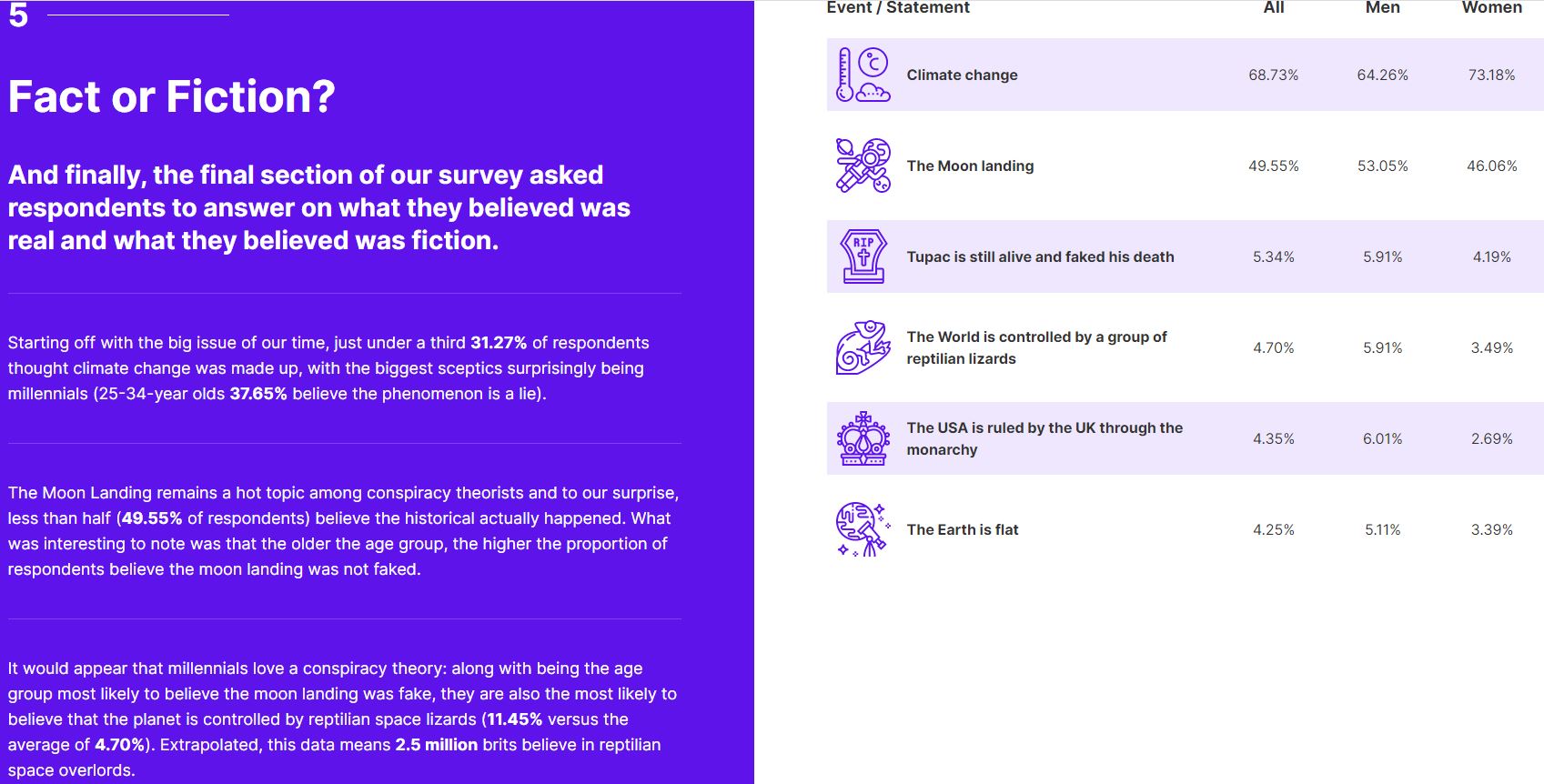
If there is reason for despair it's that 64 percent of British millennials believe the moon landing was fake. Distrust of reality is so endemic that 11 percent of millennials in the country think Tupac Shakur faked his own death and is living in hiding somewhere.
Smoking is in decline to such an extent that there is no longer fear about creating Prohibition-style casual criminals with totalitarian rules or outright bans, so the U.S. Food and Drug Administration is doing the next best thing; mandating graphic warnings on packages.
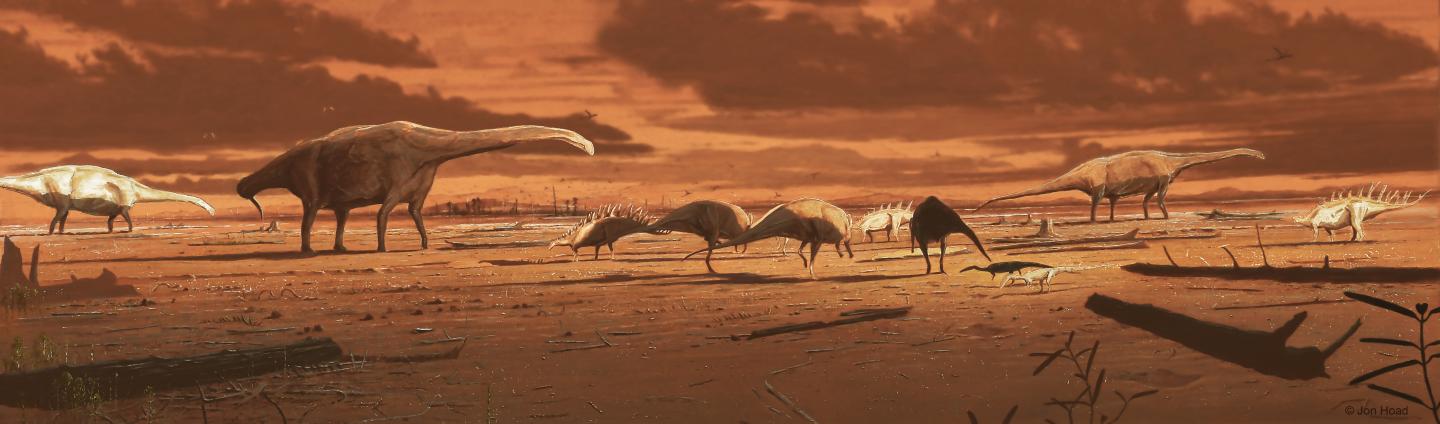
Stegosaurs are among the most recognizable dinosaurs because they left a lasting impression, including on a Scottish island.

Analysis of footprints show stegosaur roamed the Isle of Skye about 170 million years ago. it wasn't an isle then, it was a long-lost island in the Atlantic, and the site on the north-east coast was at the time a mudflat on the edge of a shallow lagoon. It contains a mixture of footprints, which means dinosaurs on Skye were more diverse than known. 
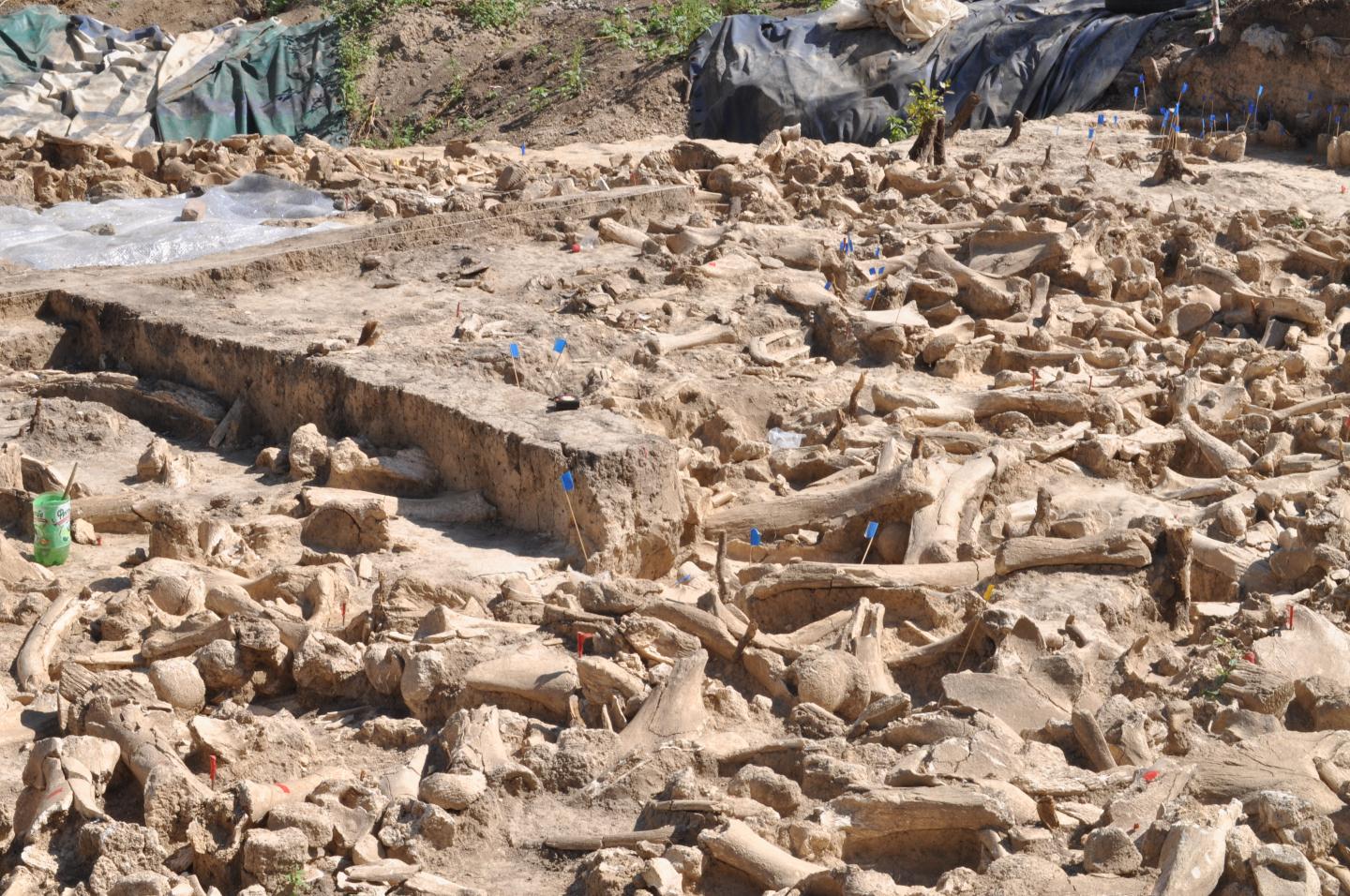
In Ukraine and the west Russian Plain, there remain mysterious bone circles made from the remains of dozens of mammoths long ago. 

About 70 of them are known to exist. One, outside the modern village of Kostenki 250 miles south of Moscow, has been dated to 20,000 years in the past, making it the oldest such circular structure built by humans. A total of 51 lower jaws and 64 individual mammoth skulls were used to construct the walls of the 30 foot by 30 foot structure, now called Kostenki 11, and scattered across its interior. The bones were likely sourced from animal graveyards, and the circle was then hidden by sediment and is now a foot below current surface level.

Here is Dr Tedros demonstrating how to wash your hands for COVID-19 protection in the "Safe Hands" challenge

(click to watch on Youtube)

He is challenging others to do the same and upload videos of themselves doing it.

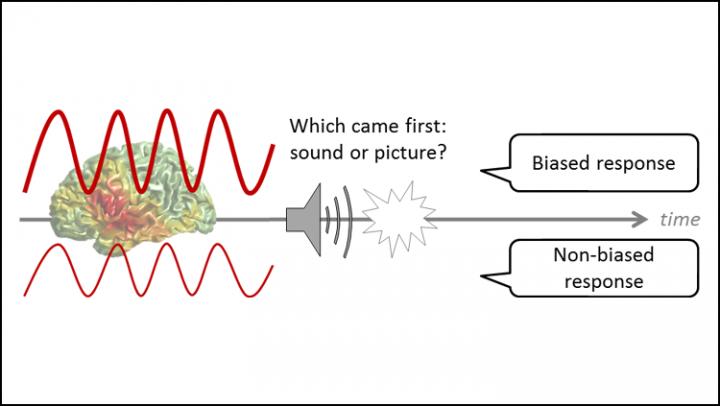
Though implicit bias - the belief that you are prejudiced, it's just a matter of degree - is controversial, that's only because it lacks scientific footing. A new study seeks to advance that.

We all have likes and dislikes but when it becomes bias or prejudice is subjective. If you prefer dark haired men, does that mean you are prejudiced against redheads? It does, in things like the Implicit Association Test.


