Fake Banner
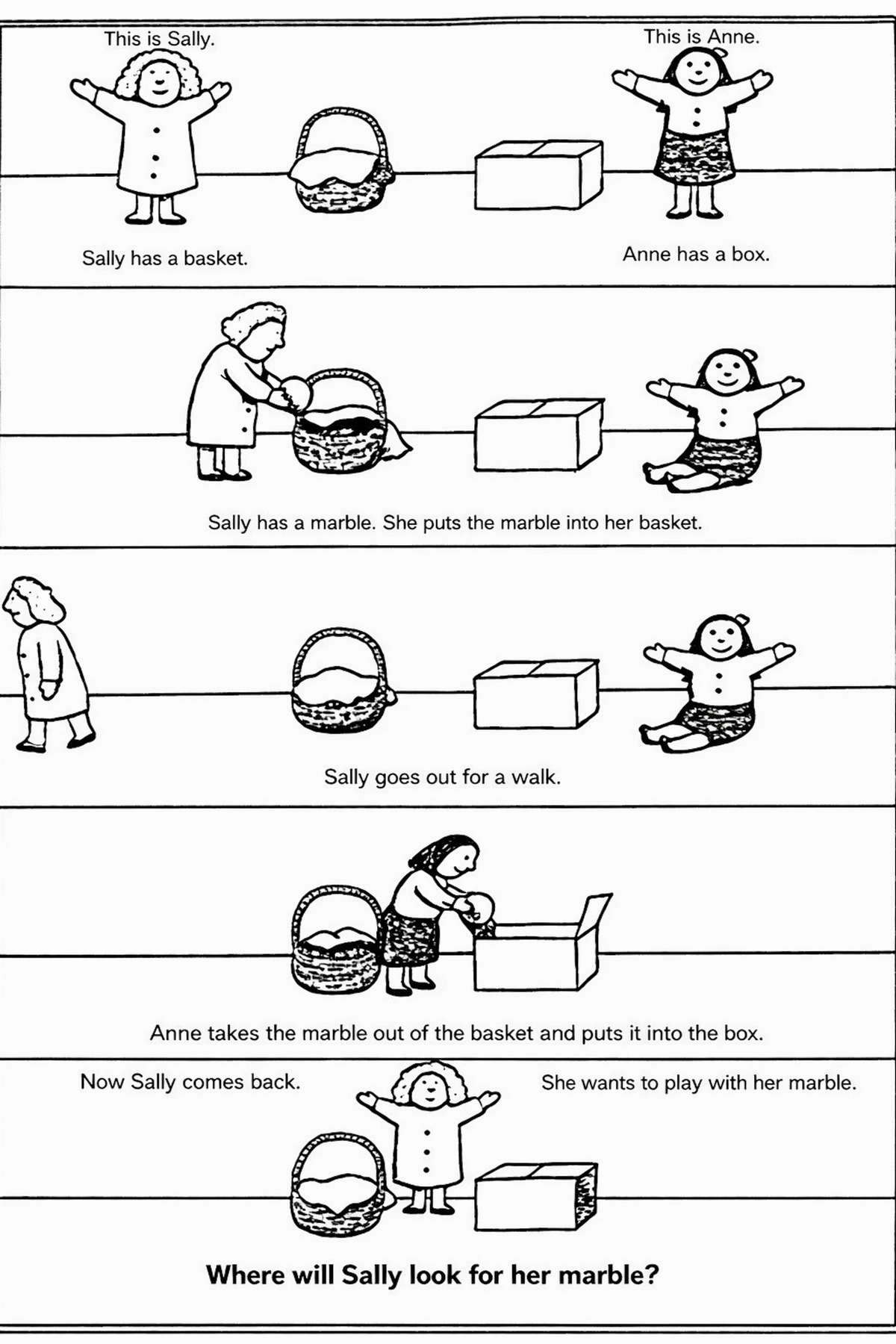
Theory Of Mind Is Wrong About Autistic People

For four decades, a controversial idea has shaped how autism is understood by researchers, healthcare...

Bacteroides Fragilis May Be A Fifth Columnist Helping Colon Cancer In Your Body

The gut bacterium Bacteroides fragilis has long presented researchers with a paradox. It has been...
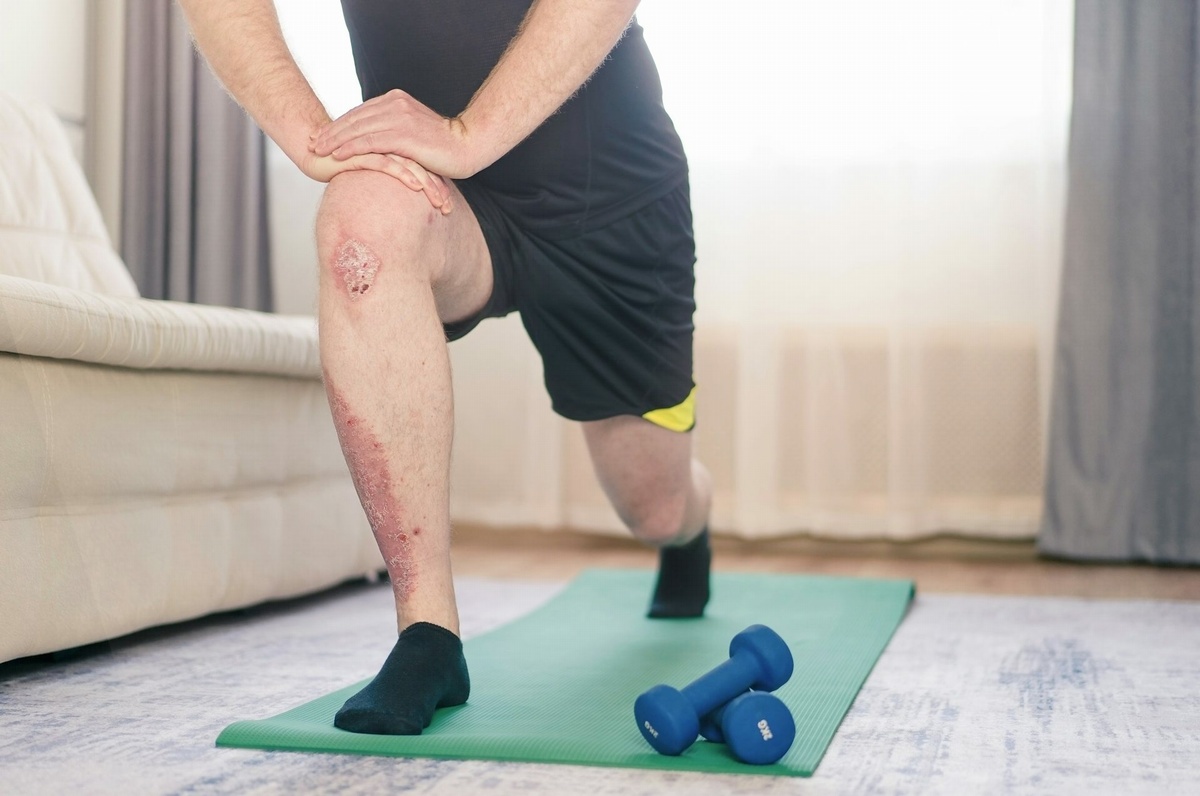
Losing Weight Improves The Heartbreak Of Psoriasis For Some

For many people living with psoriasis, the red, scaly skin patches are only part of the story....
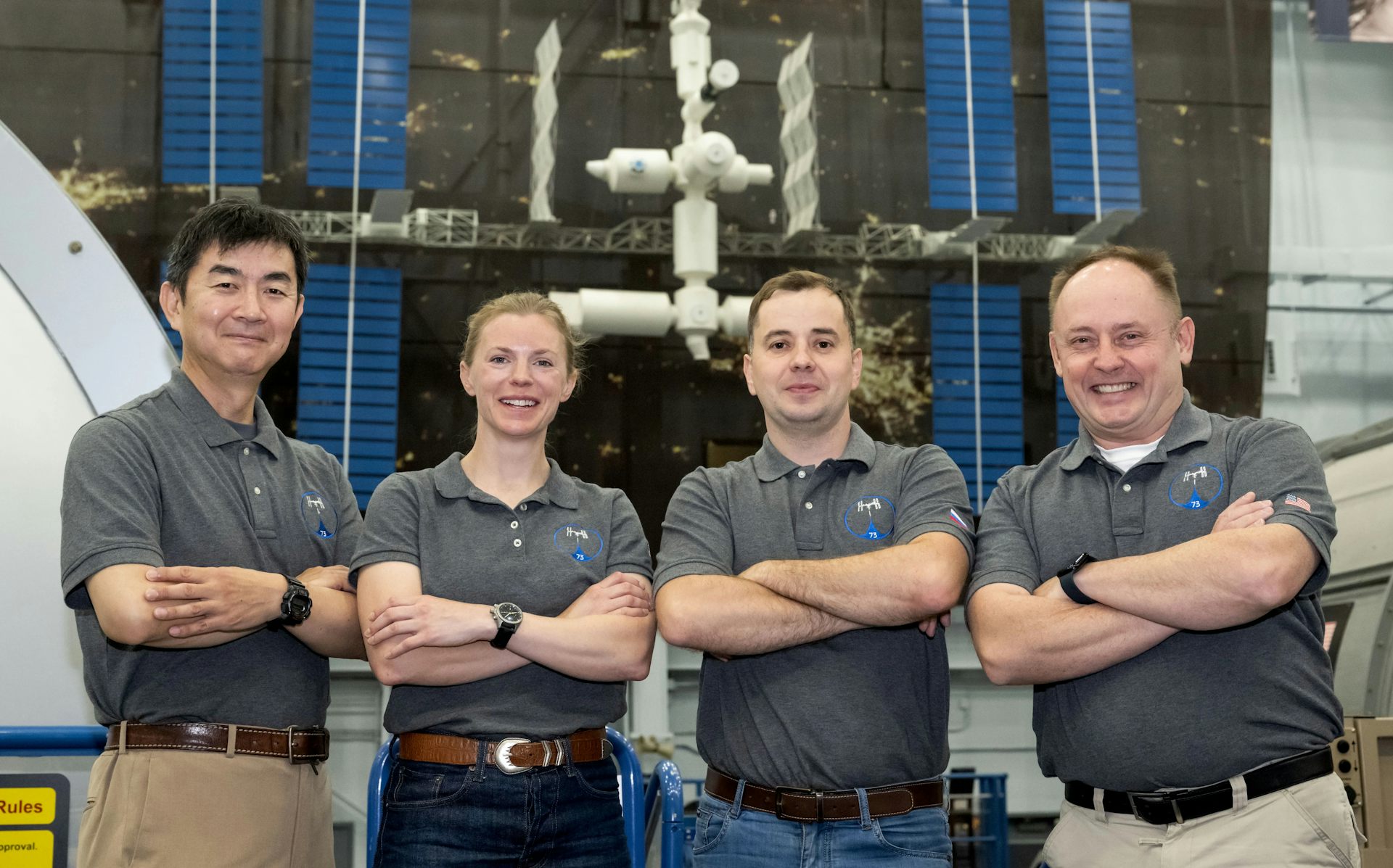
Healthcare In Space - The First Medical Evacuation From The ISS

For the first time in 25 years of continuous crewed operations, an astronaut has been medically...

User picture.
The ConversationRSS Feed of this column.

The Conversation is an independent source of news and views, funded by the academic and research community and delivered direct to the public. The Conversation launched in Australia in March 2011.... Read More »

Blogroll

The NASA spacecraft Dawn has spent more than seven years traveling across the Solar System to intercept the asteroid Vesta and the dwarf planet Ceres.

Now in orbit around Ceres, the probe has returned the first images and data from these distant objects.

But inside Dawn itself is another first – the spacecraft is the first exploratory space mission to use an electrically-powered ion engine rather than conventional rockets.

Evaluations of research ethics do not benefit from a tick-box approach. 

Australia’s social science research, like that in most developed countries since the infamous Milgram experiments took place at my alma mater in 1961, occurs under the watchful eye of ethics boards.

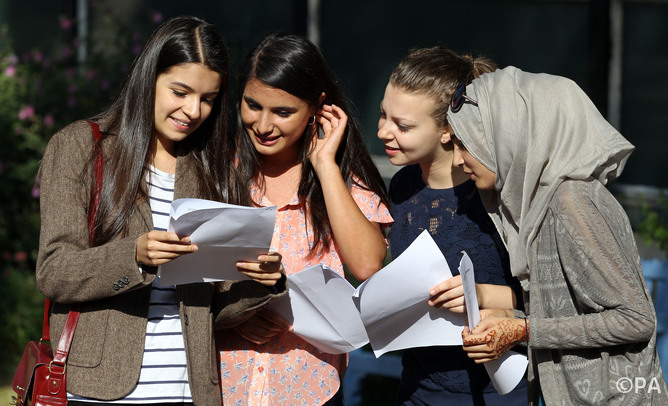
New gaps are opening up in educational achievement between teenage boys and girls, according to a comprehensive new report from the Organisation for Economic Co-operation and Development (OECD).

Analysis of its 2012 Programme for International Student Assessment (PISA) tests of 15-year-olds in reading, mathematics and science across countries, shows that unfortunately, patterns between the performance of girls and boys have not changed much over time, although some of the gaps have closed a little.

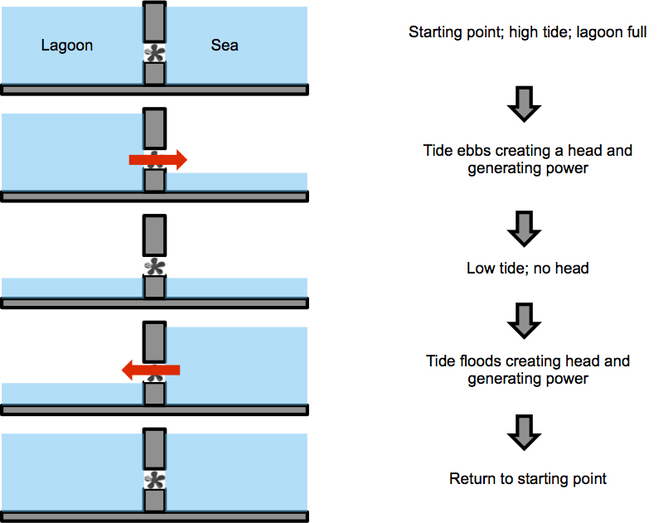
The search for alternative energy sources in the age of climate change has overlooked tidal energy: a vast and unexploited worldwide resource.

For three decades now, tidal lagoon schemes have been recommended as an economically and environmentally attractive alternative to tidal barrages. More recently, two proposals for tidal lagoons in Swansea Bay, Wales have emerged and there have been several reports documenting how such a project there could have the potential to harness significant energy resources.

According to a 2014 National Consumers League poll, 29% of American adults believe that childhood vaccinations can trigger autism. To many, these views are difficult to comprehend. After all, multiple controlled studies conducted on huge international samples have debunked any statistical association between vaccines and autism.

Immigration continues to be one of the key issues in the build-up to the general election. The latest figures show a net flow of 298,000 into the UK. This is higher than when David Cameron’s government took office, despite his pledge to cut the number to the tens of thousands.

But is this really bad news? Immigration is such an emotive issue that there is a tendency for the figures involved to be bandied about out of context.