Fake Banner
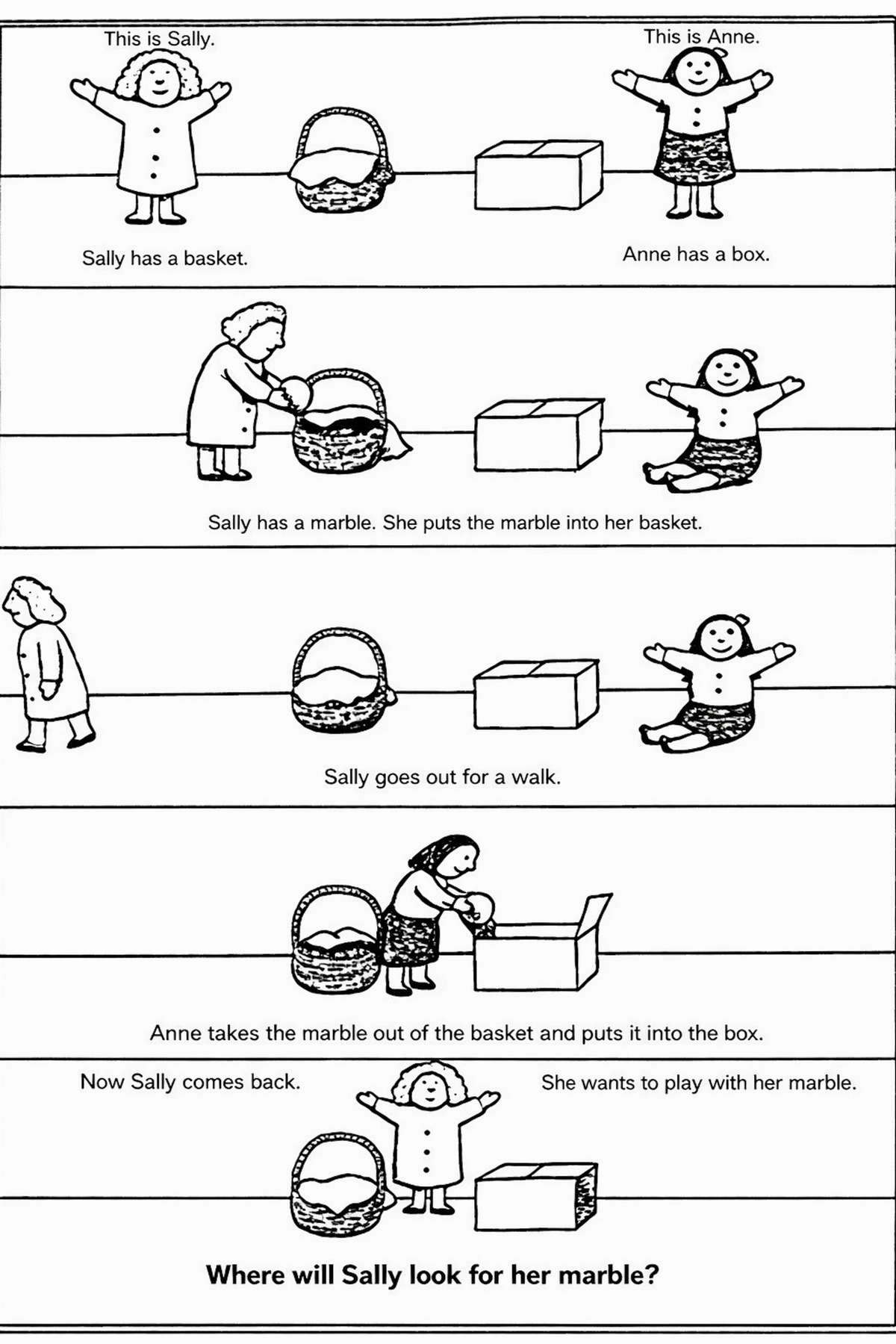
Theory Of Mind Is Wrong About Autistic People

For four decades, a controversial idea has shaped how autism is understood by researchers, healthcare...

Bacteroides Fragilis May Be A Fifth Columnist Helping Colon Cancer In Your Body

The gut bacterium Bacteroides fragilis has long presented researchers with a paradox. It has been...

Losing Weight Improves The Heartbreak Of Psoriasis For Some

For many people living with psoriasis, the red, scaly skin patches are only part of the story....
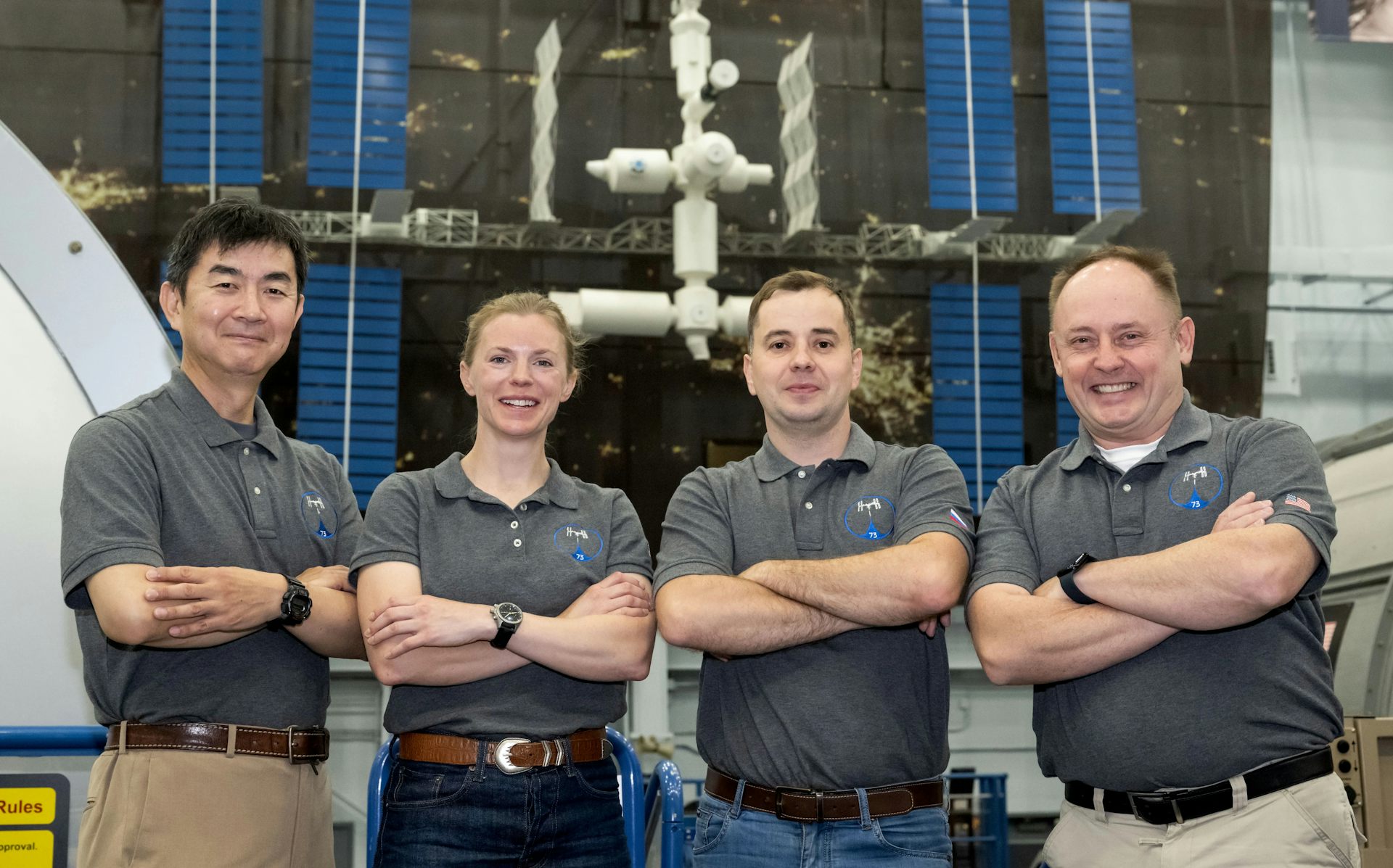
Healthcare In Space - The First Medical Evacuation From The ISS

For the first time in 25 years of continuous crewed operations, an astronaut has been medically...

User picture.
The ConversationRSS Feed of this column.

The Conversation is an independent source of news and views, funded by the academic and research community and delivered direct to the public. The Conversation launched in Australia in March 2011.... Read More »

Blogroll

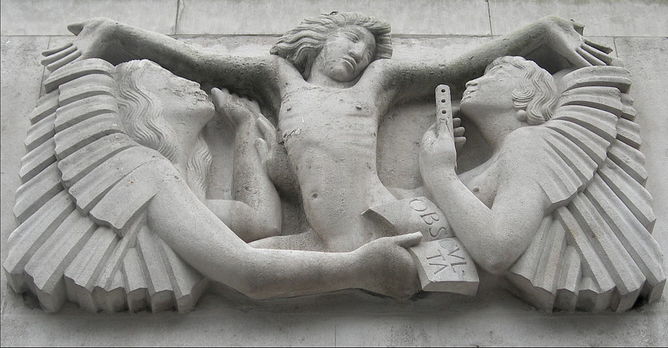
Ariel between Wisdom and Gaiety. Wikimedia

My advice to the BBC: ignore the House of Commons Culture, Media and Sport committee report on your future at your peril.

Hundreds of hours of video are uploaded to YouTube every minute, and hundreds of millions of hours are viewed daily, including many that cover areas of science. Despite this, if you want to use YouTube for science communication, reaching an audience is not always guaranteed.

We’ve analyzed nearly 400 science communication videos to understand what the successful YouTube science communicators do – those with numerous subscribers – that less successful communicators do not.

So, here are seven things we found that can help you to communicate science on YouTube.


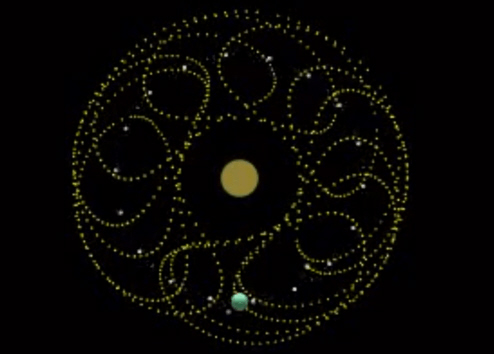
3753 Cruithne's wacky orbit around the Sun. Image: YouTube, CC BY-SA

We all know and love the moon. We’re so assured that we only have one that we don’t even give it a specific name.

It is the brightest object in the night sky, and amateur astronomers take great delight in mapping its craters and seas.

To-date, it is the only other heavenly body with human footprints.

If I scratch your back and you scratch mine, then we’re both better off as a result – so goes the principle of reciprocity, one of the most popular explanations for how co-operative behavior has evolved.

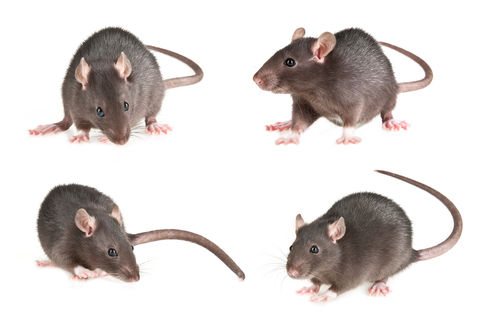
But what if one partner provides a better service than another? A paper by Dolivo and Taborsky shows that Norway rats will only give as good as they get.

Ceres is the largest object in the asteroid belt, and NASA’s Dawn spacecraft will arrive at this dwarf planet on March 6, 2015. Pluto is the largest object in the Kuiper belt, and NASA’s New Horizons spacecraft will arrive at this dwarf planet on July 15, 2015.

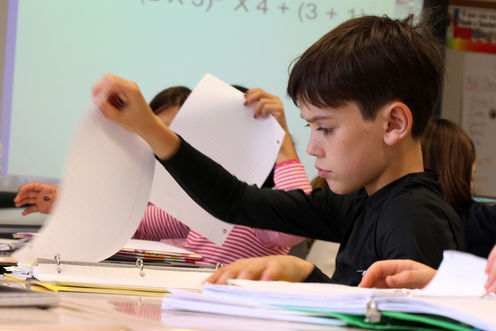
Children show a vastly improved ability to absorb knowledge when they are allowed to make some of their own decisions about what they want to learn.

Testing, in other words, gets in the way – and worse.

Indeed, as the No Child Left Behind (NCLB) legislation comes up for re-authorization this week President Obama has himself stated that testing should be cut down to “a bare minimum.”