Fake Banner
Theory Of Mind Is Wrong About Autistic People

For four decades, a controversial idea has shaped how autism is understood by researchers, healthcare...
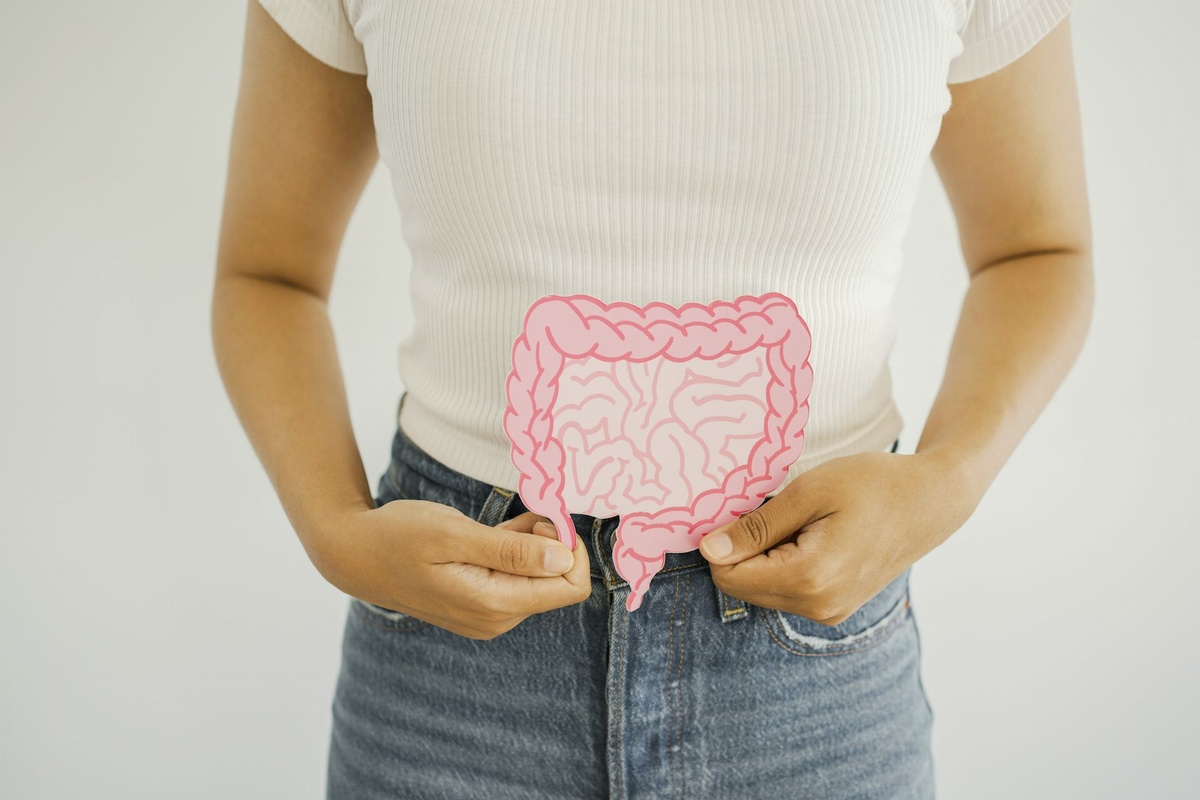
Bacteroides Fragilis May Be A Fifth Columnist Helping Colon Cancer In Your Body

The gut bacterium Bacteroides fragilis has long presented researchers with a paradox. It has been...
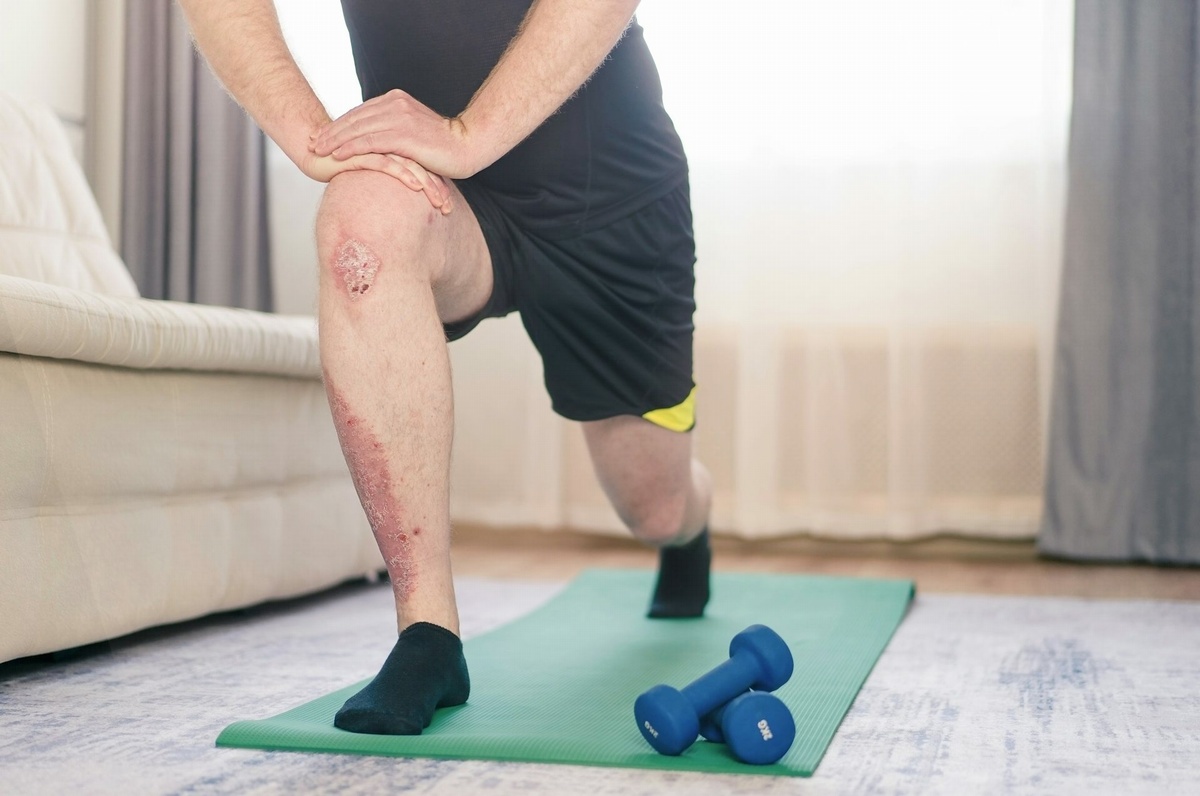
Losing Weight Improves The Heartbreak Of Psoriasis For Some

For many people living with psoriasis, the red, scaly skin patches are only part of the story....
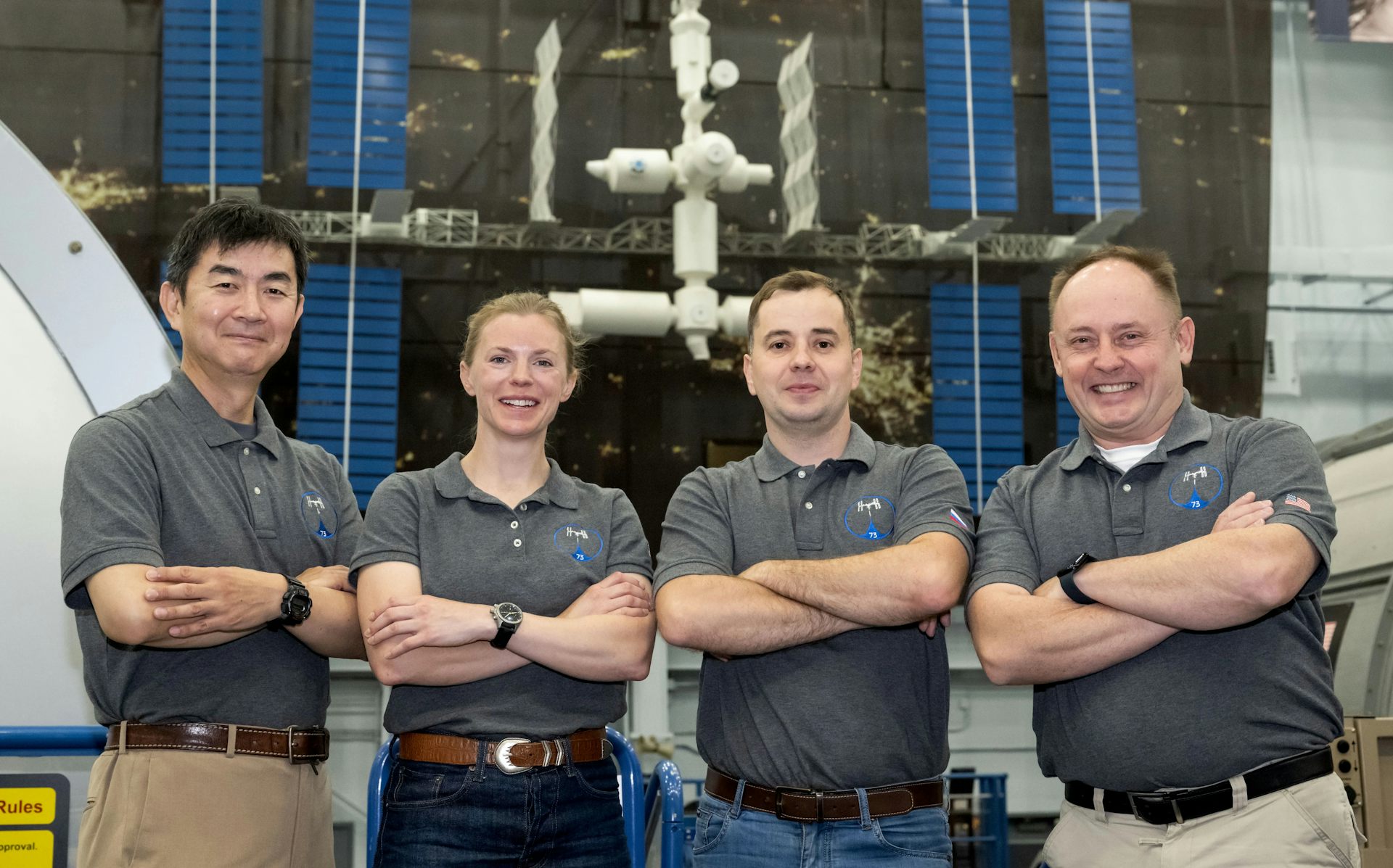
Healthcare In Space - The First Medical Evacuation From The ISS

For the first time in 25 years of continuous crewed operations, an astronaut has been medically...

User picture.
The ConversationRSS Feed of this column.

The Conversation is an independent source of news and views, funded by the academic and research community and delivered direct to the public. The Conversation launched in Australia in March 2011.... Read More »

Blogroll

Early hominids didn’t have a lot of time to whip up coconut flour pancakes. Credit: United Artists

Reconstructions of human evolution are prone to simple, overly-tidy scenarios. Our ancestors, for example, stood on two legs to look over tall grass, or began to speak because, well, they finally had something to say. Like much of our understanding of early hominid behavior, the imagined diet of our ancestors has also been over-simplified.


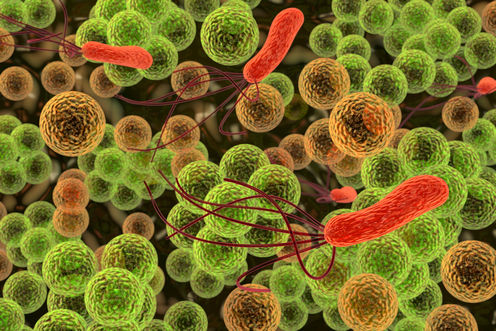
The bacteria living in your gut have more to do with your immune system than you might think. Shutterstock

Your intestines are home to many different kinds of bacteria (and some non-bacterial organisms as well). Together they’re called the “gut microbiome.”

They come from the food you eat – and whatever else gets into your mouth. Bacteria start colonizing your gut at birth.


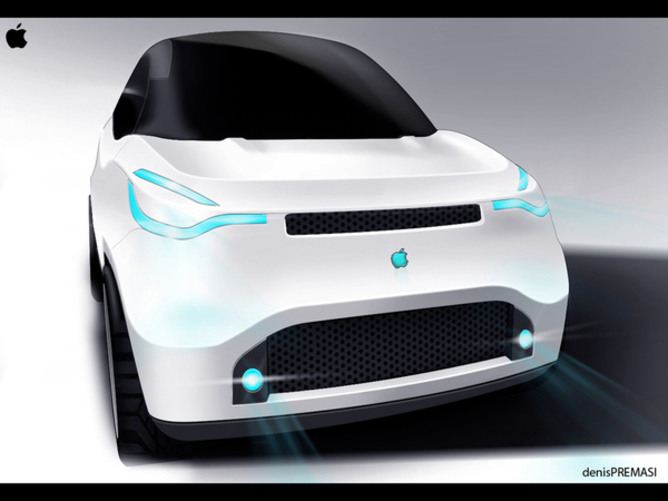
If you thought it has been a while since you heard any more rumors about the long-awaited Apple TV, they are about to be replaced by even more exciting possibility - that Apple may be about to build an electric car.

The Wall Steet Journal kicked things off with a report that Apple had been hiring “hundreds” of staff with automotive design skills to work on a project called “Titan” that may be a self-driving electric vehicle configured in a (not-so-exciting) mini-van design.


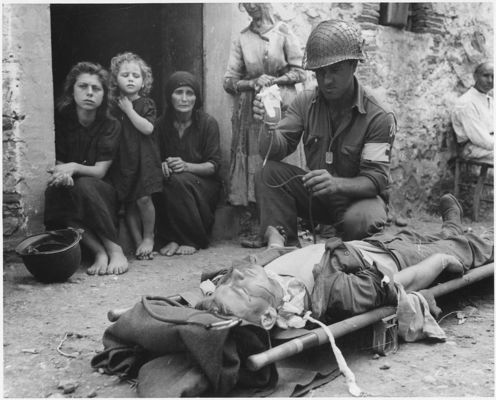
Sicily 1943: whose blood was this US soldier getting? NARA

In December 1941, a few days after the bombing of Pearl Harbor and America’s entry into World War II, a Detroit mother named Sylvia Tucker visited her local Red Cross donor center to give blood.

Having heard the “soul-stirring” appeals for blood donors on her radio, she was determined to do her part. But when she arrived at the center, the supervisor turned her away. “Orders from the National Offices,” he explained, “barred Negro blood donors at this time.”

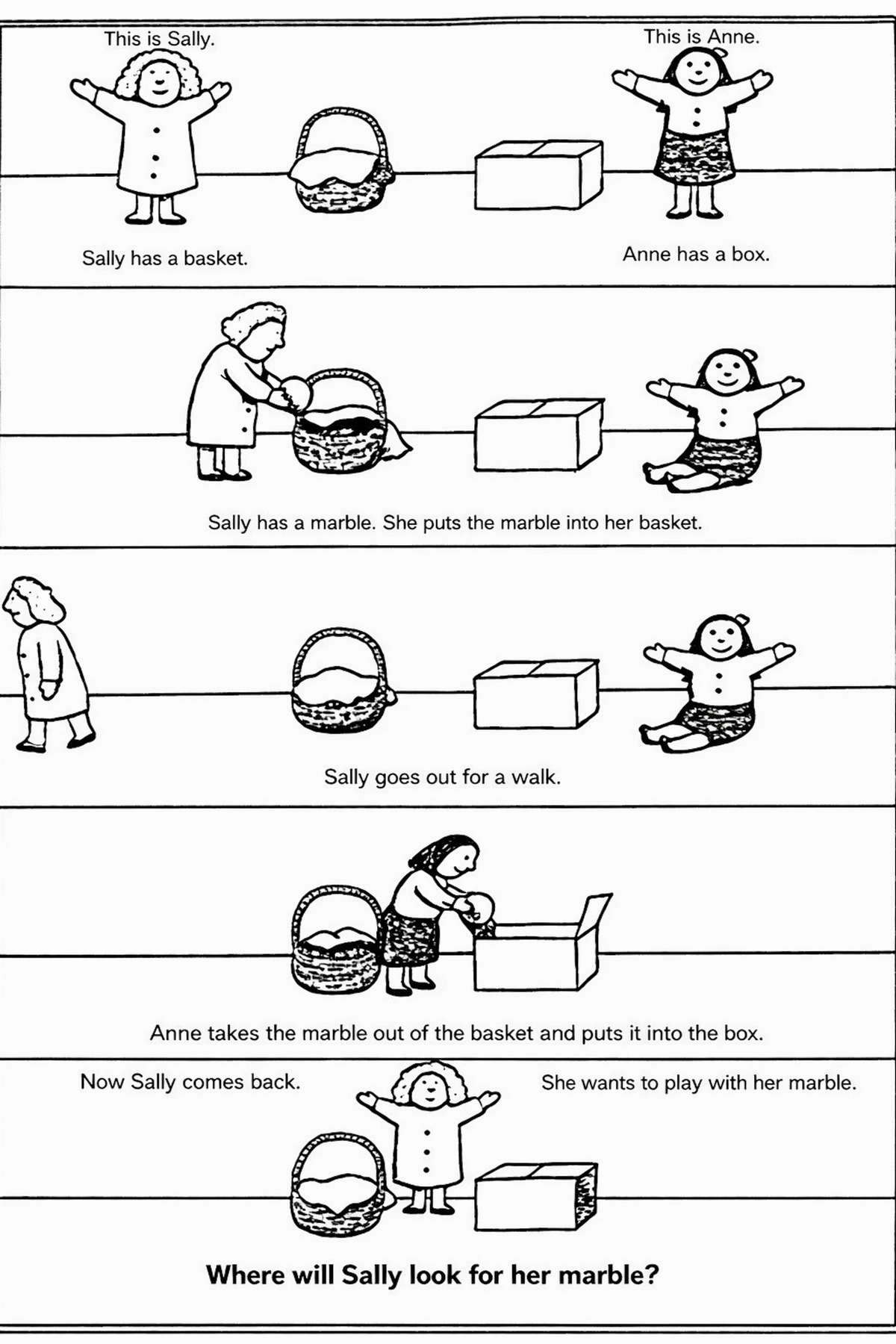
Many of us have asked ourselves in the past few days: can you really falsely remember something as significant as being in a helicopter that was shot down?

And many of us probably think “No way,” and quickly conclude that NBC news anchor Brian Williams invented this story to embellish his public image as a news anchor who put his life in danger.

But before condemning Brian Williams as a narcissistic liar, let’s take a closer look at what memory research has to say about false memories and memories of traumatic experiences. This work suggests it’s plausible that Williams is truthfully describing what he remembers.