Fake Banner
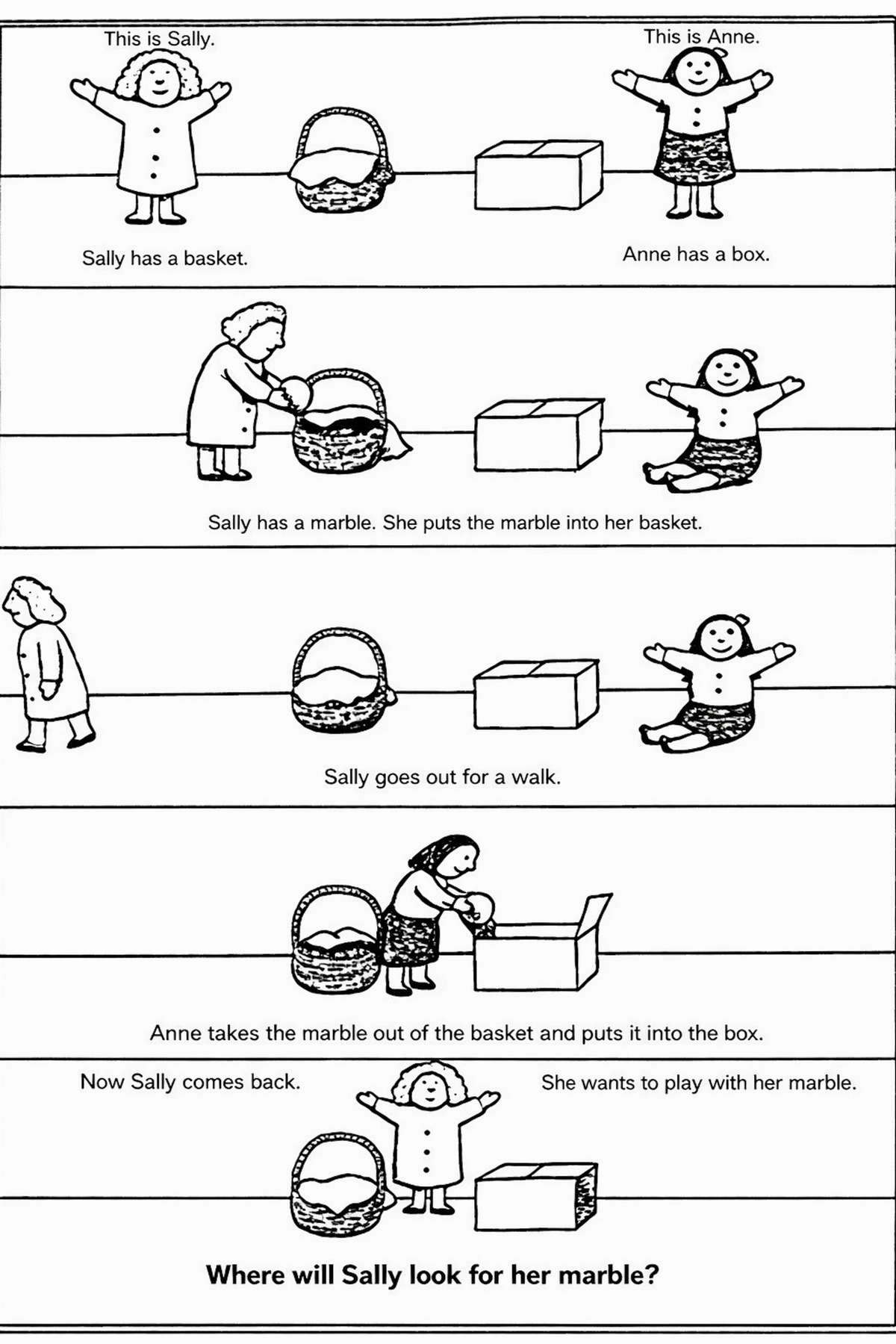
Theory Of Mind Is Wrong About Autistic People

For four decades, a controversial idea has shaped how autism is understood by researchers, healthcare...

Bacteroides Fragilis May Be A Fifth Columnist Helping Colon Cancer In Your Body

The gut bacterium Bacteroides fragilis has long presented researchers with a paradox. It has been...
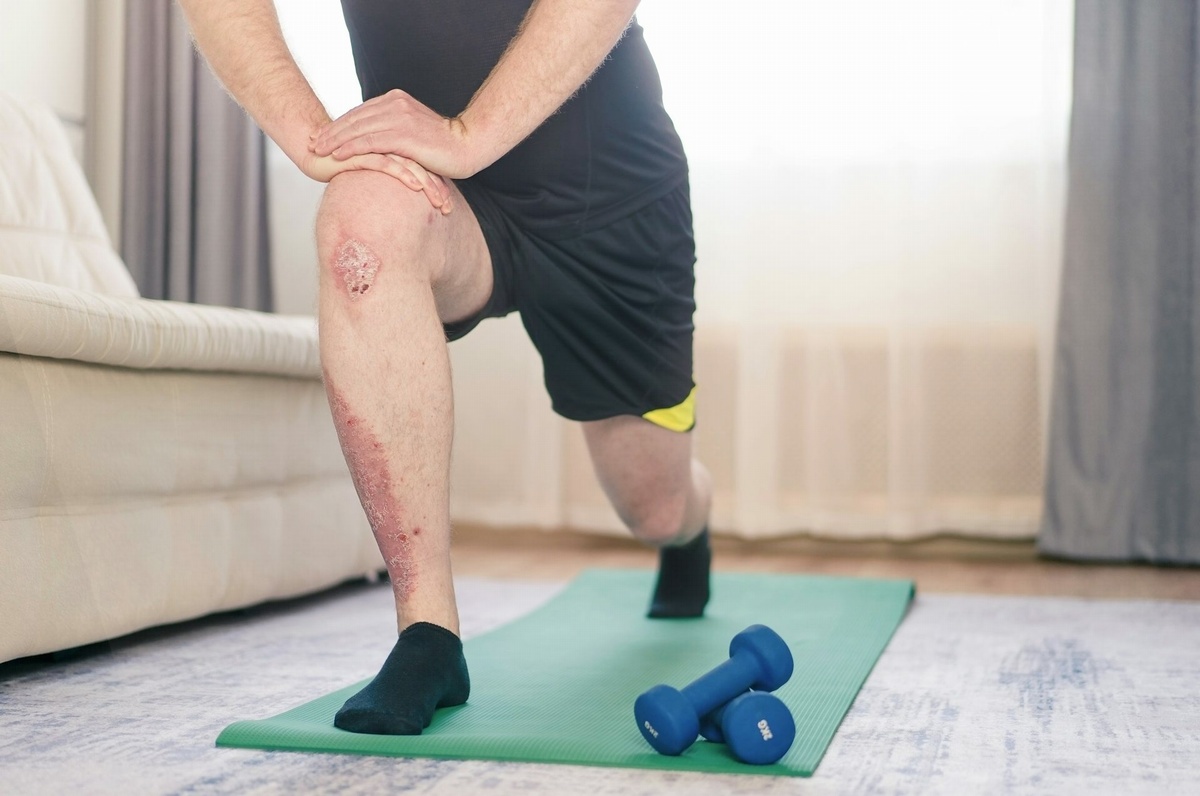
Losing Weight Improves The Heartbreak Of Psoriasis For Some

For many people living with psoriasis, the red, scaly skin patches are only part of the story....

Healthcare In Space - The First Medical Evacuation From The ISS

For the first time in 25 years of continuous crewed operations, an astronaut has been medically...

User picture.
The ConversationRSS Feed of this column.

The Conversation is an independent source of news and views, funded by the academic and research community and delivered direct to the public. The Conversation launched in Australia in March 2011.... Read More »

Blogroll

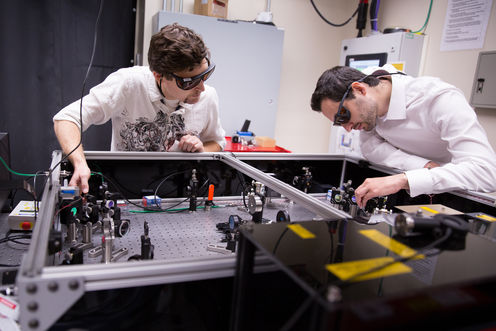
SLAC National Accelerator Laboratory at Stanford

By Ian Bailey, Lancaster University

Scientists working on an experiment at the SLAC National Accelerator Laboratory in the US have taken a step forward in developing a technology which could significantly reduce the size of particle accelerators. The technology is able to accelerate particles more rapidly than conventional accelerators at a much smaller size.

The fame of Lady Gaga is the stand-out phenomenon of 21st-century celebrity – the go-to example for any commentator. But in a recent interview for 60 Minutes she complained that being so famous wasn’t all peachy. Apparently, some people can’t see through her clothes (ironic given the frequency of very sheer fabrics and flesh-baring garments in her kaleidoscopic wardrobe).

But what I’m interested in here is how she clothes her face: all too often with sunglasses.


It’s been a disappointing couple of weeks for the Scotch whisky industry.

Diageo reported that it is delaying plans on a £1 billion new-build distillery just north of Inverness following a slow-down in the company’s key whisky markets, particularly Latin America and China.


vivaviena, CC BY-NC-SA

By Vincent F Hendricks, University of Copenhagen

Science, like any other field that attracts investment, is prone to bubbles.

Overly optimistic investments in scientific fields, research methods and technologies generate episodes comparable to those experienced by financial markets prior to crashing.


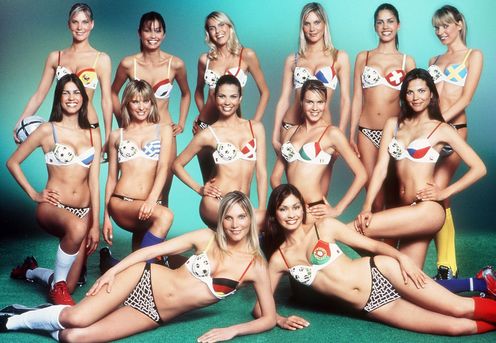
Bras have come a long way in 100 years. Credit: EPA/HO

By Deirdre McGhee, University of Wollongong

This year marks the 100-year anniversary of the first bra patent.

Amazingly for the time – 1914 – it was made by a woman in her twenties, Mary (Polly) Phelps Jacob (nee Crosby).

Polly made her bra initially from two handkerchiefs and some ribbon with the intent to show off her substantial cleavage in a sheer evening gown that had a plunging neckline. The handkerchiefs formed the bra cups and the ribbons formed the straps.