

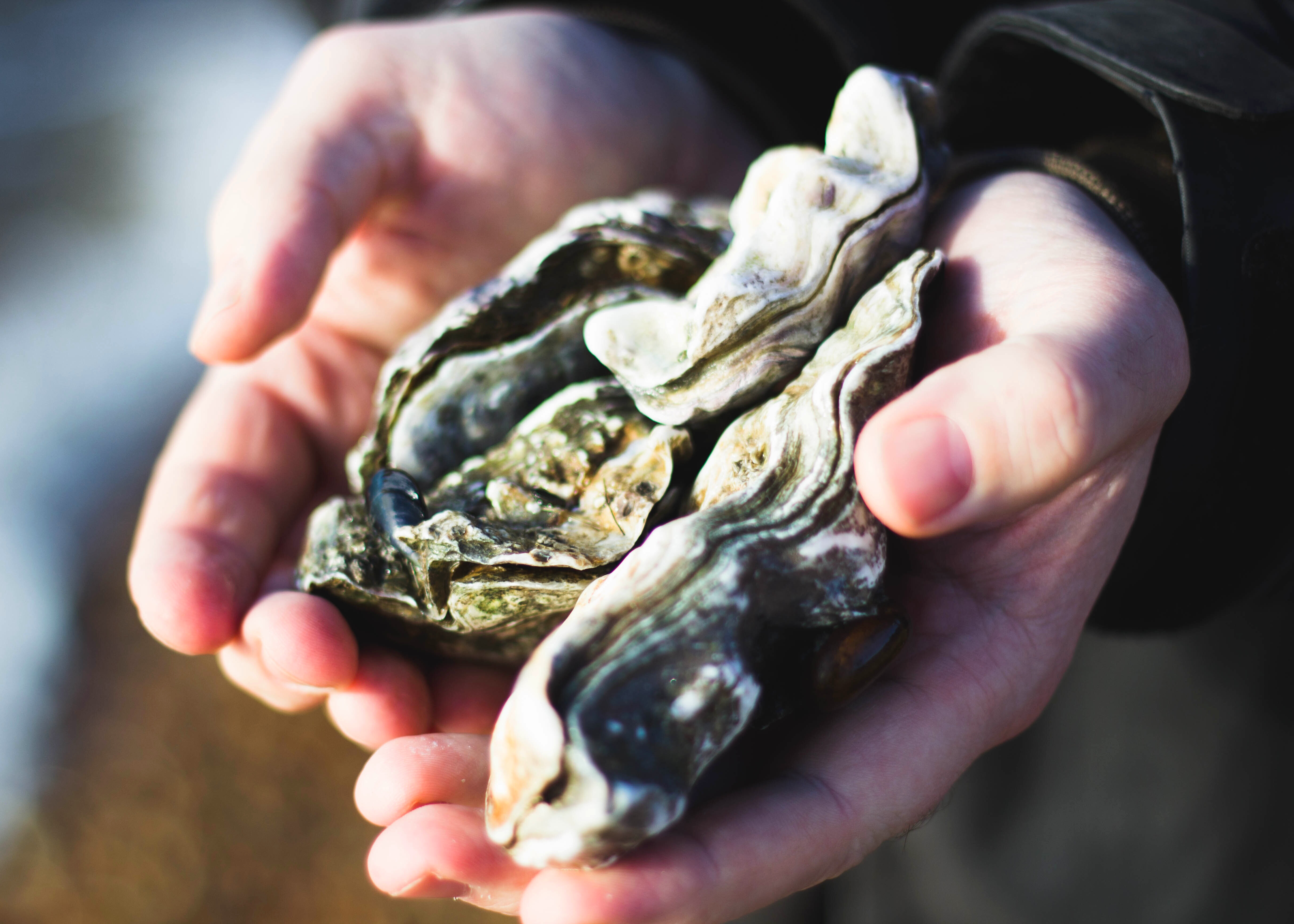
 First Nation Shell Middens And True Oysters
One of the now rare species of oysters in the Pacific Northwest is the Olympia oyster, Ostrea lurida...
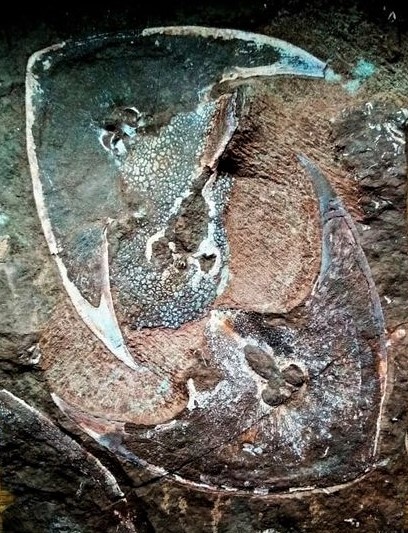 Zenaspis: Lower Devonian Bony Fish Of Podolia, Ukraine
A Devonian bony fish mortality plate showing a lower shield of Zenaspis podolica (Lankester, 1869)...
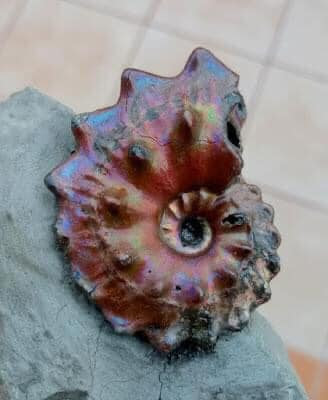 Oil in Water Beauty: Euhoplites of Folkstone
Sheer beauty — a beautiful Euhoplites ammonite from Folkstone, UK. These lovelies have a pleasing...
 Carnotaurus sastrei: Flesh Eating Bull
Carnotaurus sastrei, a genus of large theropod dinosaurs that roamed the southern tip of Argentina...
       |
Heidi Henderson Musings in Natural History—meant to captivate, educate and inspire. |
Blogroll |




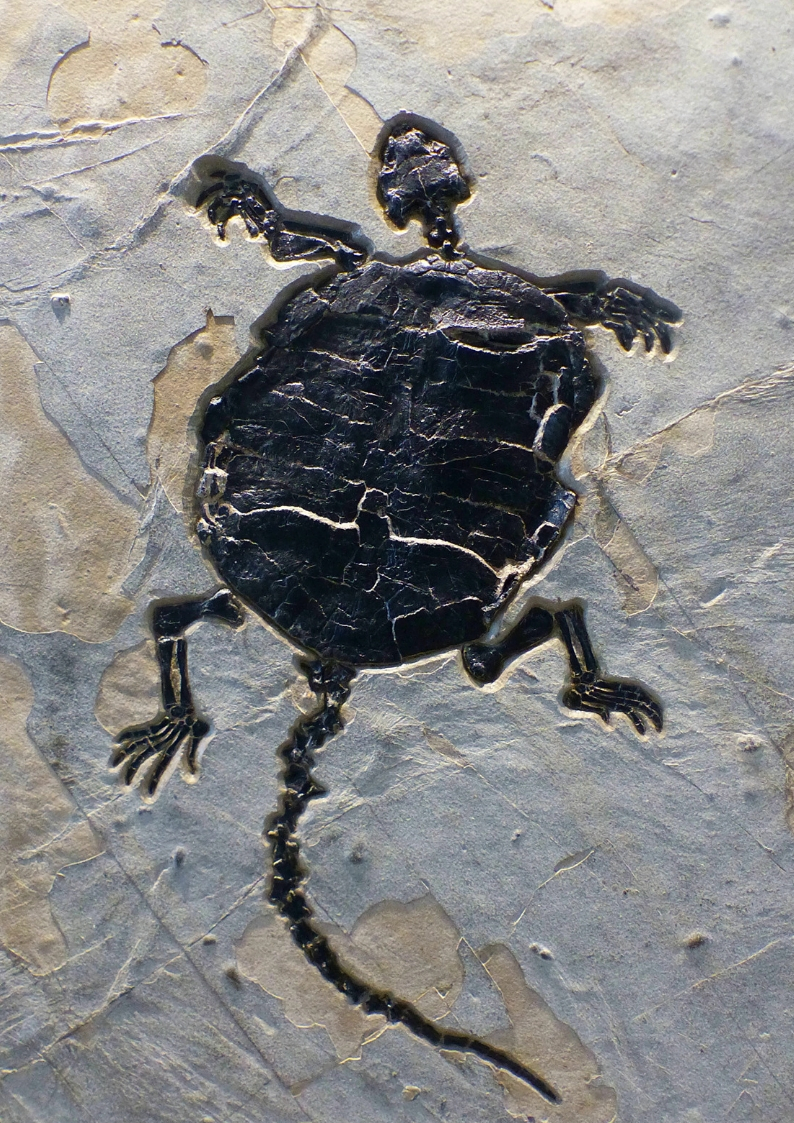 An Eocene Cryptodiran Fossil Turtle, Baena arenosa, reveals the design of the last of his lineage in finds from fine-grained lime mud outcrops in the Green River Formation, Wyoming, USA.
The Baena's with their extra long tails marks the last of their lineage as the extinct family Baenidae appeared first in the Jurassic and died out at the end of the Eocene.
An Eocene Cryptodiran Fossil Turtle, Baena arenosa, reveals the design of the last of his lineage in finds from fine-grained lime mud outcrops in the Green River Formation, Wyoming, USA.
The Baena's with their extra long tails marks the last of their lineage as the extinct family Baenidae appeared first in the Jurassic and died out at the end of the Eocene. 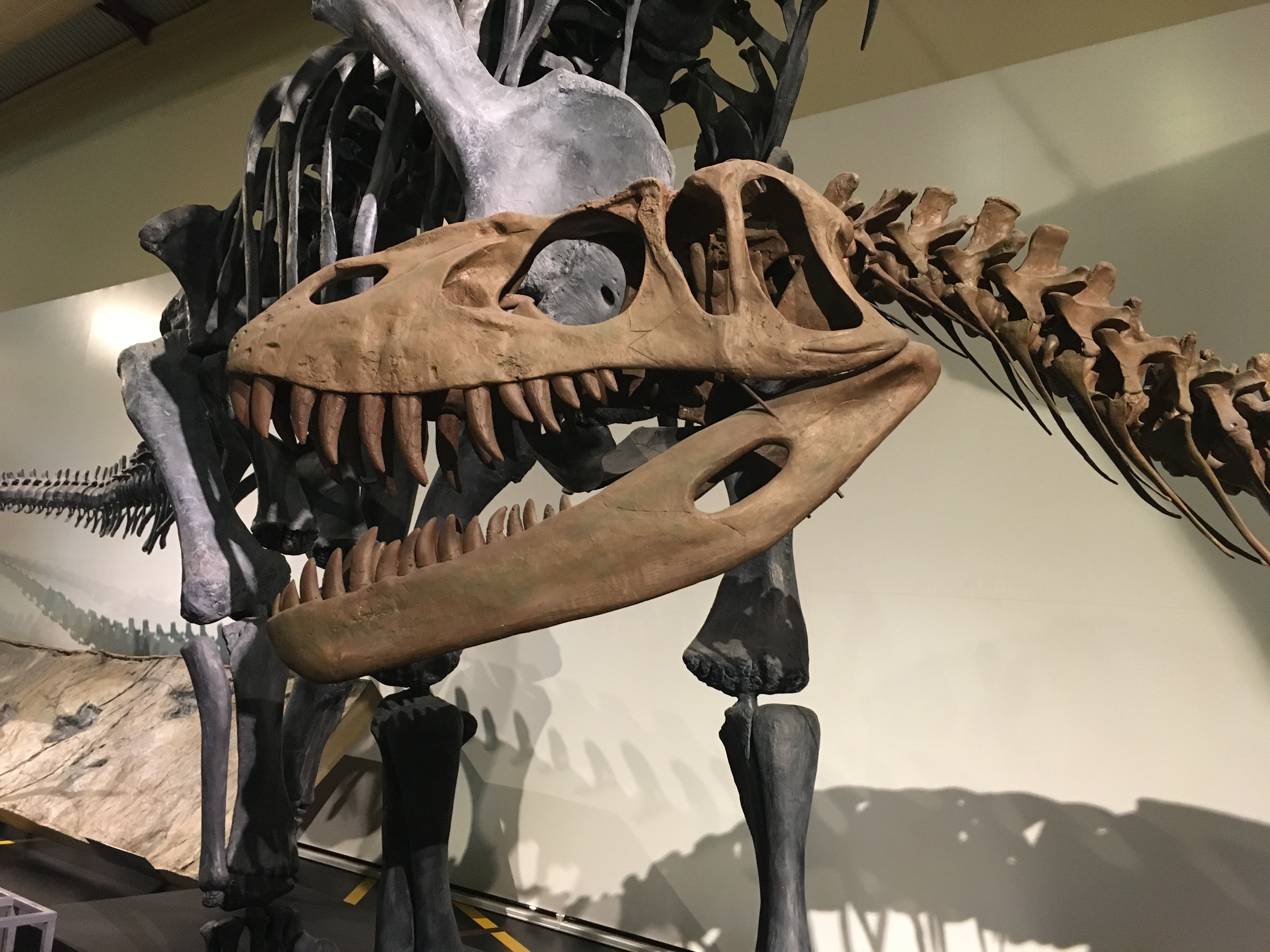

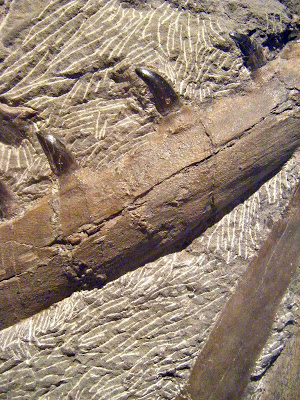
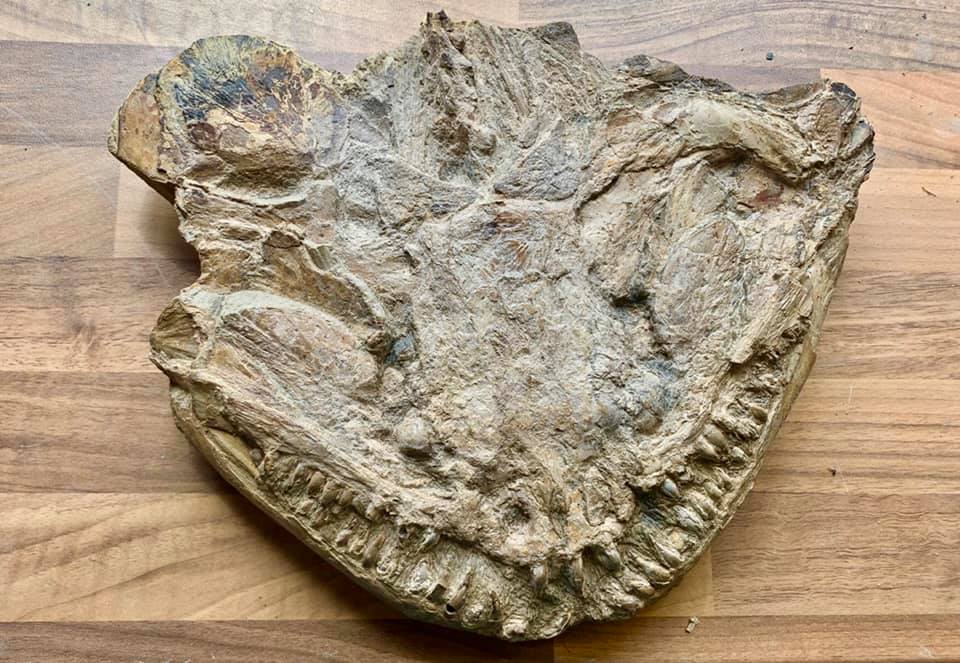
 A close-up of the dentition of an ancient marine, carnivorous lizard, the mighty Mosasaur, from Late Cretaceous exposures on Vancouver Island. Mosasaurs were air breathers and powerful swimmers.
