
Banner
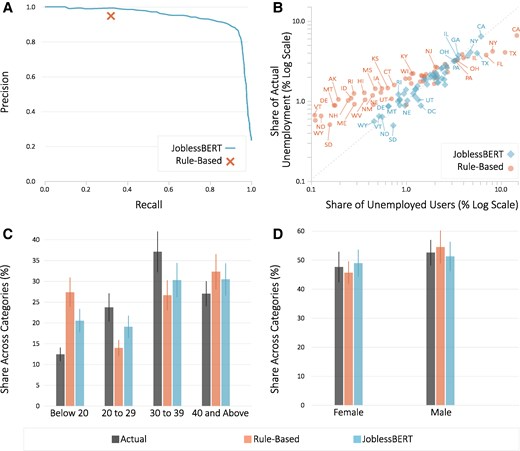
Social Media Is A Faster Source For Unemployment Data Than Government

Government unemployment data today are what Nielsen TV ratings were decades ago - a flawed metric...

Gestational Diabetes Up 36% In The Last Decade - But Black Women Are Healthiest

Gestational diabetes, a form of glucose intolerance during pregnancy, occurs primarily in women...

Object-Based Processing: Numbers Confuse How We Perceive Spaces

Researchers recently studied the relationship between numerical information in our vision, and...
Males Are Genetically Wired To Beg Females For Food

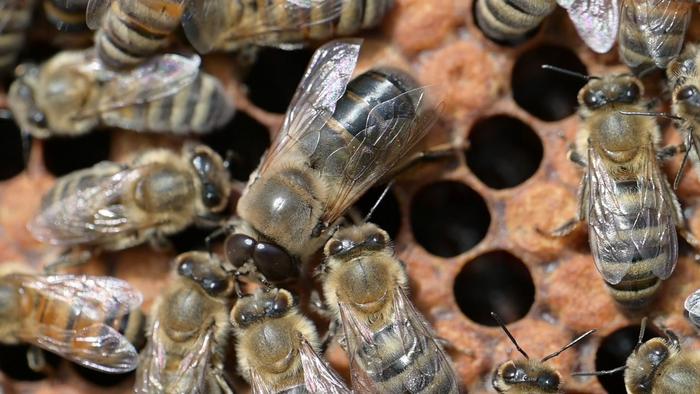
Bees have the reputation of being incredibly organized and spending their days making sure our...

User picture.
News StaffRSS Feed of this column.

News Releases From All Over The World, Right To You... Read More »

Blogroll

Drinking a specially-made cocoa beverage daily may have the potential to reverse impairments in the functioning of blood vessels, according to a first-of-its-kind study published in the Journal of Cardiovascular Pharmacology. The cocoa used in the study was rich in flavanols, naturally-occurring compounds abundant in freshly harvested cocoa prior to their destruction during the typical processing and manufacture of cocoa and chocolate products.

These results suggest this flavanol-rich cocoa could have important implications for cardiovascular health since reduced endothelial function is recognized as an early stage in blood vessel diseases such as atherosclerosis.

Scientists have identified a molecular switch that causes the differentiation of neurons in the cerebellum, a part of the brain that helps to regulate motor functions.

A study published this week in the scientific journal PNAS provides new information on the origin of different cells in the cerebellum, an important component of the central nervous system found in all vertebrates, including humans, and the part of the brain that controls movement. The study was completed by researchers from the Institute for Research in Biomedicine (IRB Barcelona), the Department of Cell Biology of the University of Barcelona (UB), the IMIM-Hospital del Mar, Pompeu Fabra University (UPF) and Vanderbilt University (Nashville, Tennessee, USA). The main authors of the study are Dr.

Leafy greens and beans aren't the only foods that pack a punch of folate, the vitamin essential for a healthy start to pregnancy.

Researchers now have used genetic engineering--manipulating an organism's genes--to make tomatoes with a full day's worth of the nutrient in a single serving. The scientists published their results in this week's online edition of the journal PNAS, Proceedings of the National Academy of Sciences.


Researchers have been able to bioengineer tomatoes that pack 25 times the normal amount of folate (molecule shown in lower left). Credit: Zina Deretsky

Multiple sclerosis, diabetes, and arthritis are among a variety of autoimmune diseases that are aggravated when one type of white blood cell, called the immune regulatory cell, malfunctions. In humans, one cause of this malfunction is when a mutation in the FOXP3 gene disables the immune cells’ ability to function. In a new study published online this week in the Proceedings of the National Academy of Sciences, researchers at the University of Pennsylvania School of Medicine have discovered how to modify enzymes that act on the FOXP3 protein, in turn making the regulatory immune cells work better.

At a depth of 2900 kilometres, the layer between the Earth's mantle and its core has always intrigued geophysicists because they are unable to explain the seismic data it generates. Researchers in the Solid State Structure and Properties Laboratory (CNRS/Université Lille 1/Lille National School for Advanced Chemistry) have studied its deformation which influences convection movements within the mantle or even those by tectonic plates. Despite the inaccessibility of this layer and the extreme conditions which prevail, they have succeeded in modelling the defects responsible for its deformation.

Antifreeze or “ice structuring” proteins – found in some fish, insects, plants, fungi and bacteria – attach to the surface of ice crystals to inhibit their growth and keep the host organism from freezing to death. Scientists have been puzzled, however, about why some ice structuring proteins, such as those found in the spruce budworm, are more active than others.

Fluorescence microscopy now has shown how those aggressive proteins protect the cells of the insect, which is native to U.S. and Canadian forests.


Ice crystals decorated by fluorescent antifreeze proteins. Credit: Ido Braslavsky/Ohio University



