Fake Banner
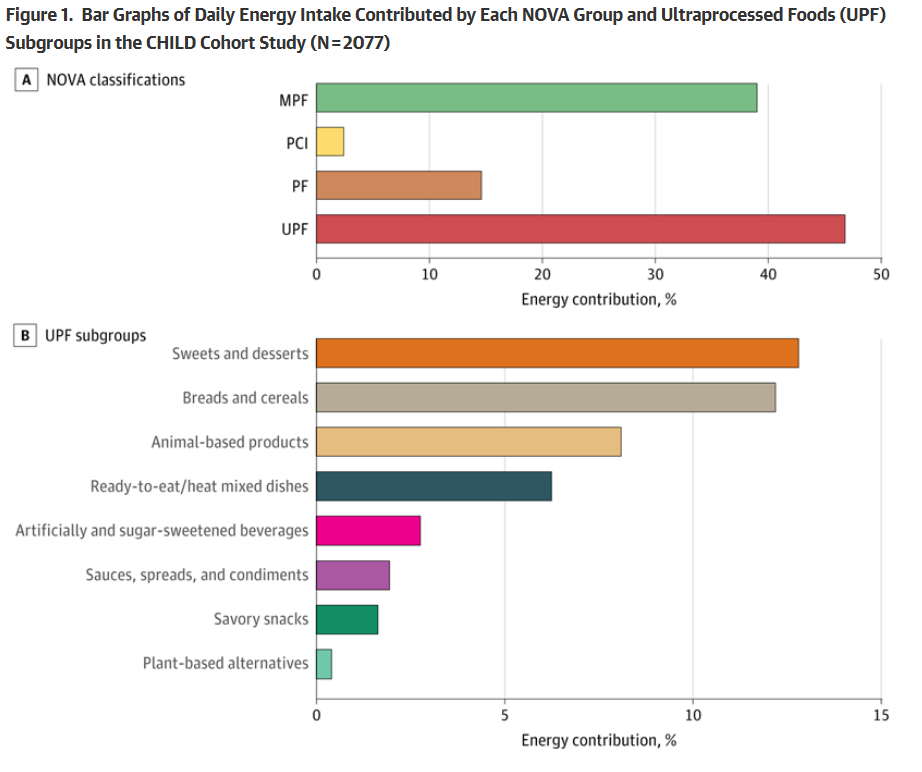
Canadian Epidemiologists Claim Processed Foods Cause Bad Kids

A cohort analysis of preschoolers in Canada has led the authors of the paper to call for bans...
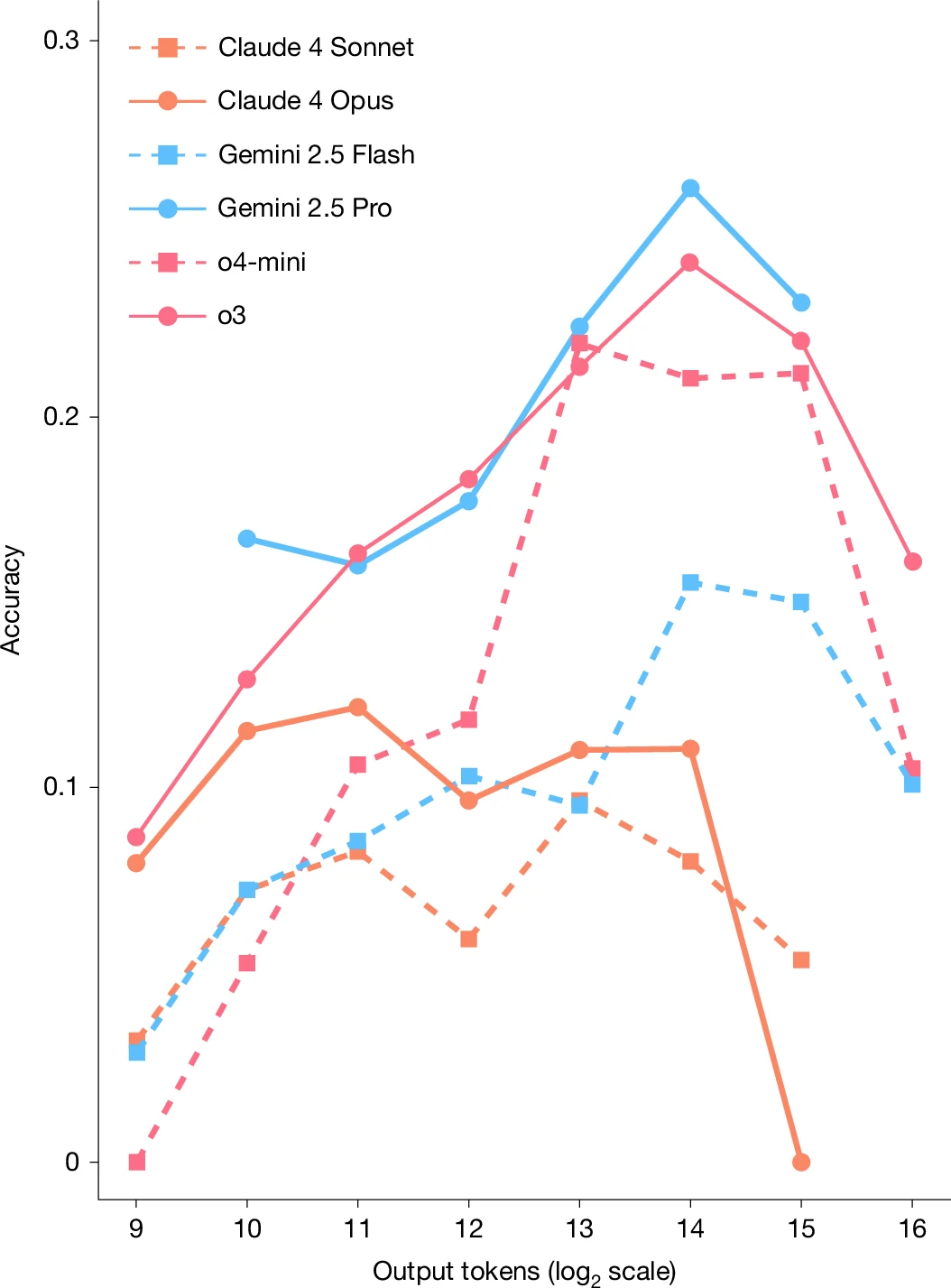
What AI Can't Do: Humanity’s Last Exam

By this time 26 years ago, the "Dot-Com Bubble" was ready to burst. People who wanted to raise...

Does NBA Income Inequality Impact Team Performance?

A new paper says that players where a few superstars get the money leads to less cooperation and...
Dogs And Coffee: Finally, Epidemiology You Can Trust

In 2026, it is easy to feel intellectually knocked around by all of the health claims you read...

User picture.
picture for Hontas Farmerpicture for picture for Tommaso Dorigopicture for Fred Phillipspicture for Atreyee Bhattacharyapicture for Patrick Lockerby
Hank CampbellRSS Feed of this column.

I founded Science 2.0® in 2006 and since then it has become the world's largest independent science communications site, with over 300,000,000 direct readers and reach approaching one billion. Read More »

Blogroll

Environmental trial lawyers are thrilled that the politically friendly 9th Circuit Court of Appeals in California

California has banned plastic bags in grocery stores, a giant subsidy and mandate for the cloth bag industry.

When government isn't manufacturing problems to solve, corporations often do it themselves. Some companies ban plastic straws now, when it is only a matter of time before environmental groups pushing paper straws claim the chemicals in those cause birth defects, and after the homeopaths behind the 'endocrine disruption' craze got corporate media to scare people about BPA - which only binds to estrogen 1/20,000th as well as actual estrogen - I was not surprised ConAgra took it out of Manwich cans.

Nor was I surprised the company responded to higher costs by laying off 1,500 people. It turns out activists were not going to ever buy it anyway.

Paracelsus famously noted Sola dosis facit venenum - "Only the dose makes the poison."

I've never been much for the word "tribe." It sounds too insular in 2018, the kind of term (see also "zeitgeist", "heteronormative", and "schadenfreude") thrown around by postmodernists with their heads in the clouds believing what they tell each other as the real world passes by.

That's not to say it isn't an accurate description of science media.

Science 2.0 began 11 years ago, the year that the James Webb Space Telescope was supposed to be completed, but there was no real cause for alarm about the delays until 2010, when it was three years late and $1.5 billion over budget. Not many in science communication really cared, though that is easy to dismiss as modern journalists being cheerleaders rather than critical thinkers. Instead, the science community has continued to gush how great it will be as JWST missed milestone after milestone after milestone. 

Even last month, people were still continuing to write sentences like "JWST will be able to..." about 2020. 
It can't have been easy for former environmental activist Mark Lynas to change sides. His friends were on the anti-science side, he was a dutiful reader of The Guardian, where activists and environmental trade groups reign supreme, and he was adored there.

But he had an ethical dilemma. How could he talk about the science consensus on climate change, despite generous potential funding by corporations to say otherwise (no, really, anti-science people think that happens), while continuing to deny the science consensus in agriculture. Exxon's revenue was 20X that of Monsanto and yet even with far fewer scientists in climate studies they were not "bought off" as his side claimed about farming.