Fake Banner
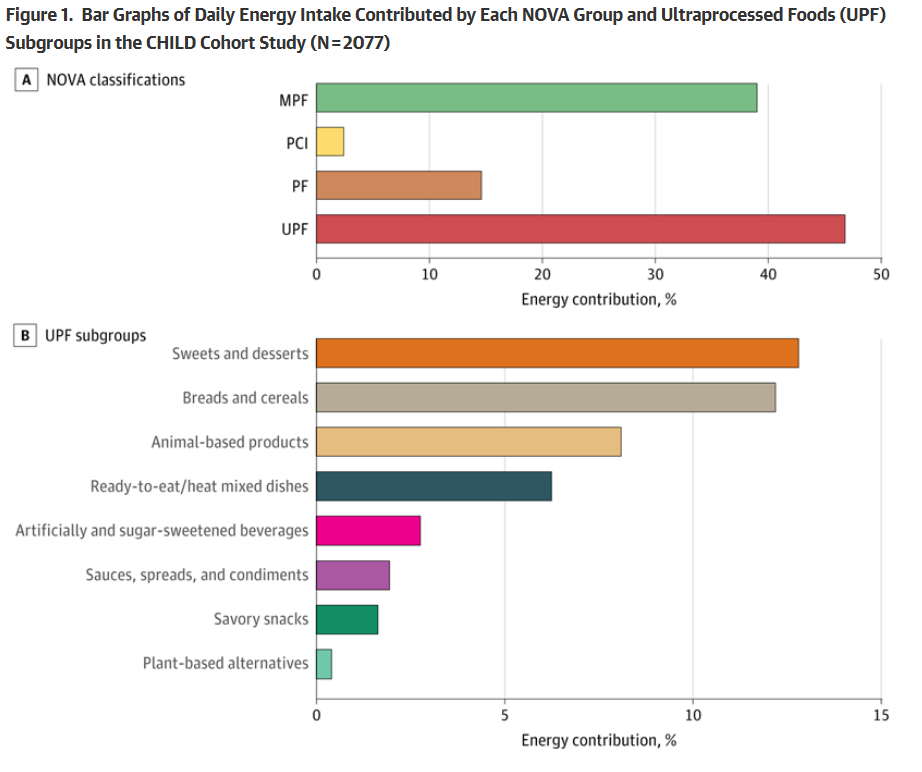
Canadian Epidemiologists Claim Processed Foods Cause Bad Kids

A cohort analysis of preschoolers in Canada has led the authors of the paper to call for bans...
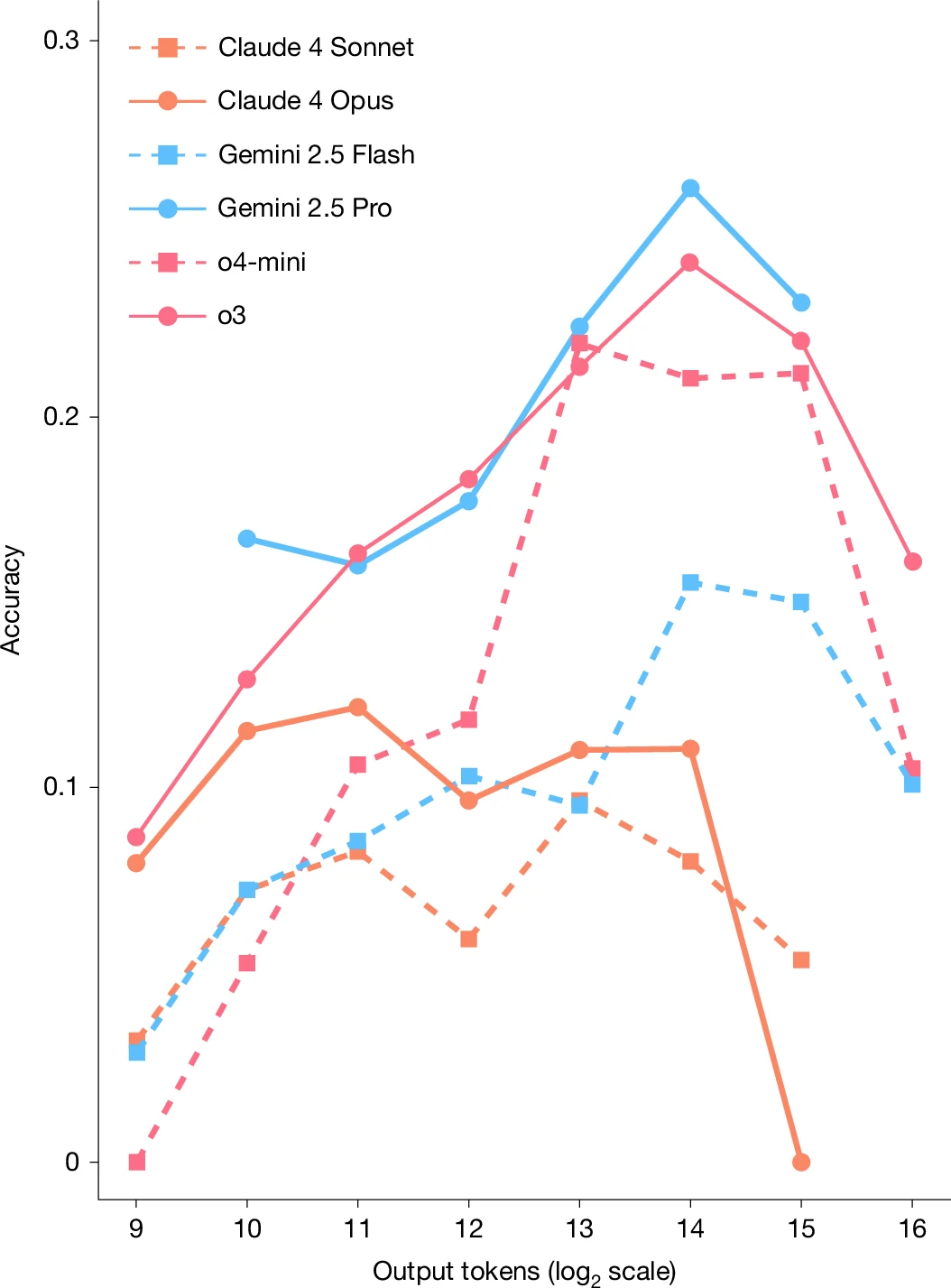
What AI Can't Do: Humanity’s Last Exam

By this time 26 years ago, the "Dot-Com Bubble" was ready to burst. People who wanted to raise...

Does NBA Income Inequality Impact Team Performance?

A new paper says that players where a few superstars get the money leads to less cooperation and...
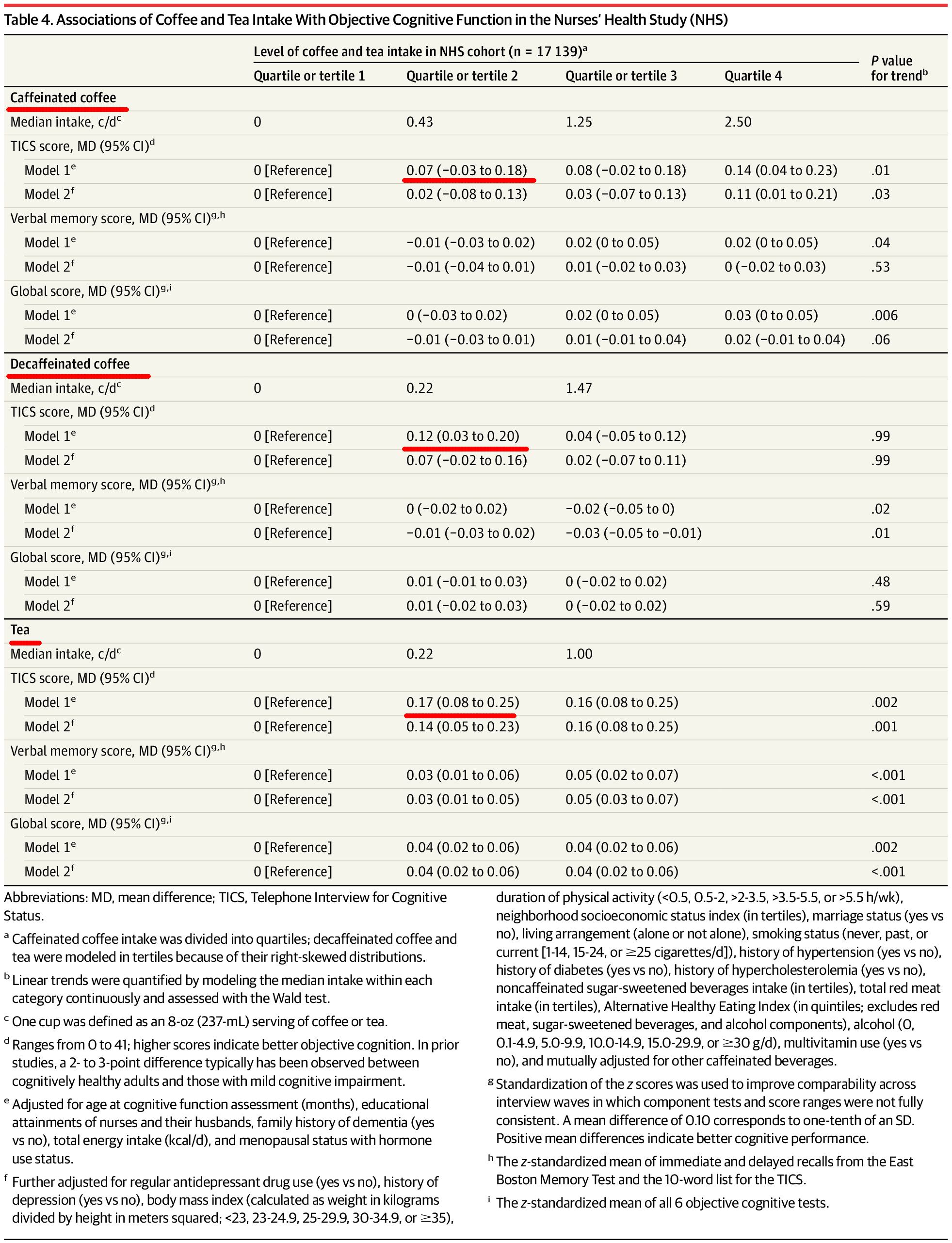
Dogs And Coffee: Finally, Epidemiology You Can Trust

In 2026, it is easy to feel intellectually knocked around by all of the health claims you read...

User picture.
picture for Hontas Farmerpicture for picture for Tommaso Dorigopicture for Fred Phillipspicture for Atreyee Bhattacharyapicture for Patrick Lockerby
Hank CampbellRSS Feed of this column.

I founded Science 2.0® in 2006 and since then it has become the world's largest independent science communications site, with over 300,000,000 direct readers and reach approaching one billion. Read More »

Blogroll
If the U.S. National Oceanic and Atmospheric Administration (NOAA), independent scientists, and fisheries experts all know a claim in an article is hopelessly flawed why would the journal Marine Policy dig in their heels, doing irreparable harm to the marine conservation they claim to care about?

When expressing concern about the article, NOAA wrote, "allegations made in the paper, are absent of transparency regarding the data, and assumptions supporting them are irresponsible and call into question the authors' conclusions."
On Sept. 6, 1958, the “natural” food movement and chemophobia as we know it were born. On that day, the Food Additives Amendment of 1958, which modified the U.S. Food, Drug, and Cosmetic Act of 1938, came into force.

Also known as the Delaney Clause, it stated if a synthetic chemical could be shown to cause cancer in laboratory animals, the chemical must be banned. It also suggested if the exact same chemical was natural, it was safe. While this was immediately attacked as a baffling and unscientific approach to carcinogenicity, many lawyers were looking forward to decades of litigation.

Anti-science activists who make money promoting alternatives to medicine have succeeded so well that 47 percent of those aged 18 to 37 think they can cure cancer with food or supplements or ancient Chinese wisdom.

That alarming bubble of woo brings the average up to 40 percent overall, which must embarrass Baby Boomers, who elected the President that put folk medicine on the same stage as science at the National Institutes of Health.

America is the most science literate country in the world, we are dominant in Nobel prizes and science output, and we are thankful we are not France, but a new survey by Harris shows that we still have a long way to go.

The results of the new survey reveal that 47 percent of people ages 18 to 37, our future leaders, have become convinced by efforts to promote alternatives to medicine and think they can cure cancer with food or supplements or ancient Chinese wisdom - 40 percent overall.

How did we get here?

Three ways.

In California, we have warning labels on trees, because they will give us cancer. And that is not even the strangest of California's warnings about nearly 1,000 chemicals on hundreds of thousands of products.

We call it "leadership" to put warning labels on the things activists are not yet allowed to ban. "Leadership" is a dog whistle for the kind of social authoritarian mentality that is the enemy of science and progress.  And we are very much the enemy of science and therefore progress. 
A recent analysis of fake images titled WHO Cures Cancer In Photoshop shows that the International Agency for Research on Cancer (IARC) may need more than just a new leader, because they remain stuck with an old problem; credibility.