Fake Banner
Canadian Epidemiologists Claim Processed Foods Cause Bad Kids

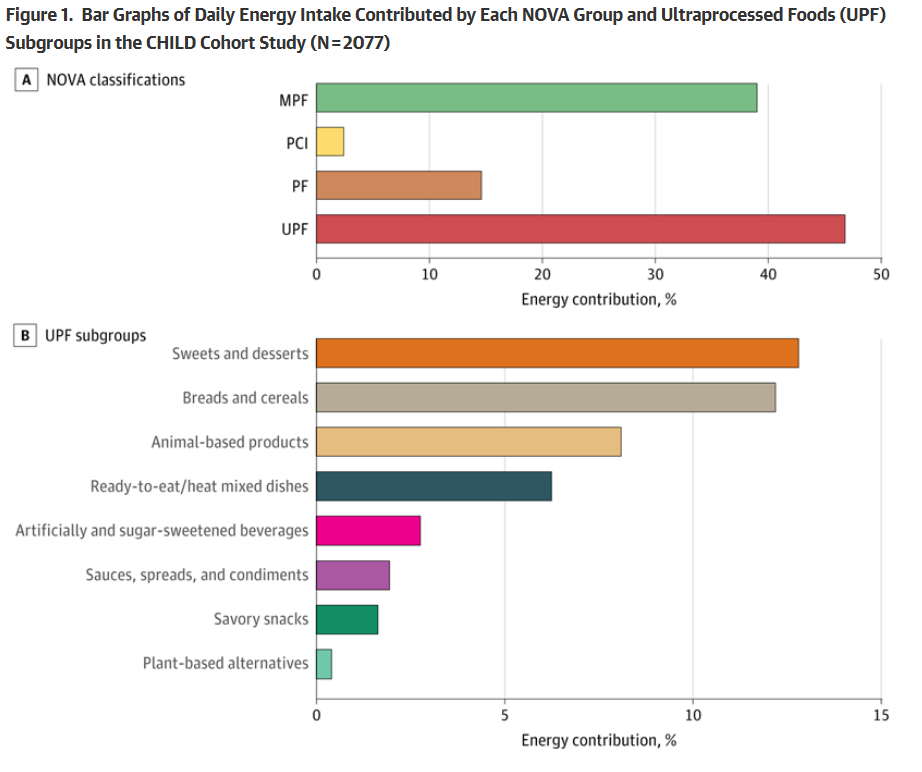
A cohort analysis of preschoolers in Canada has led the authors of the paper to call for bans...
What AI Can't Do: Humanity’s Last Exam

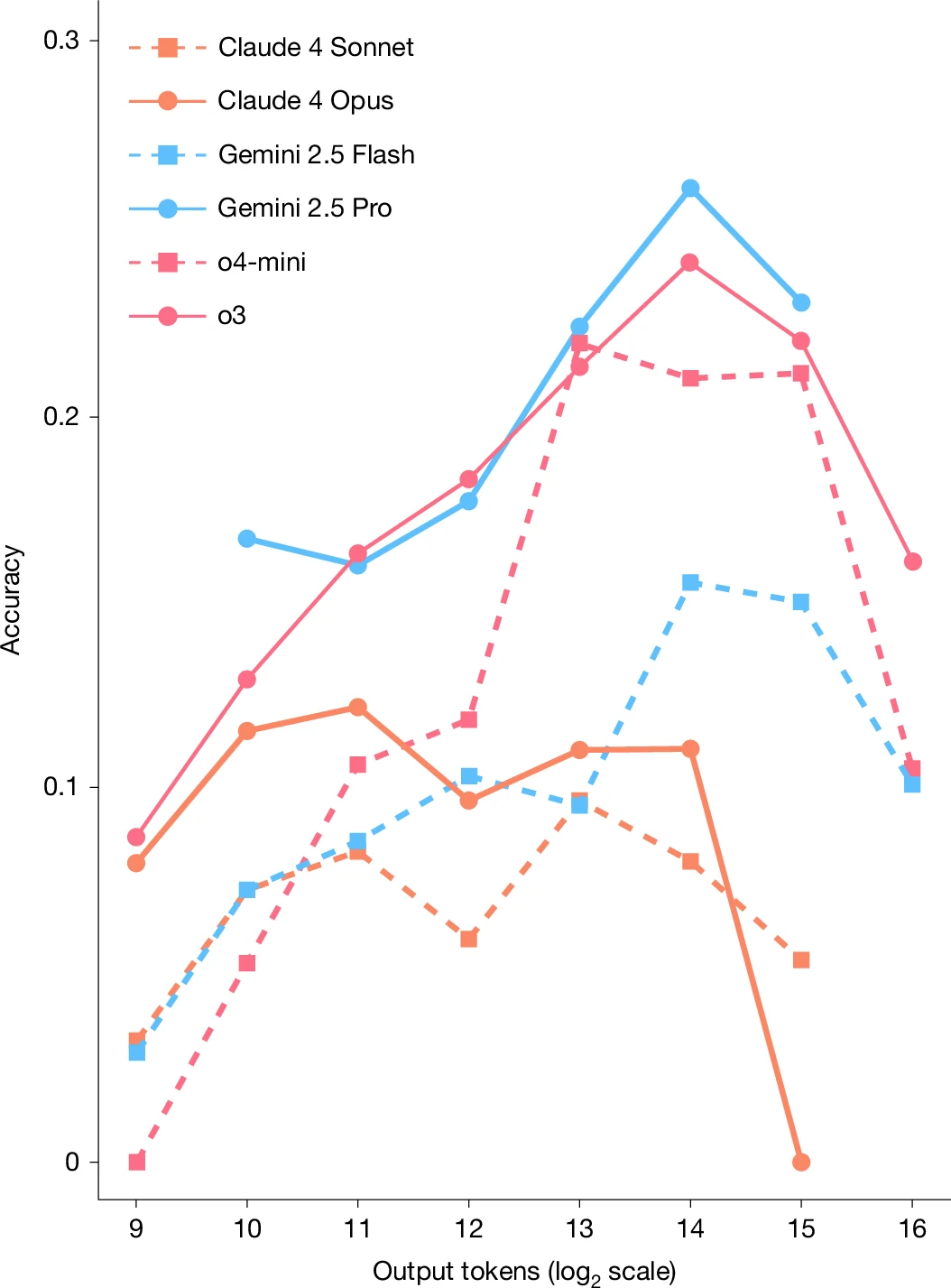
By this time 26 years ago, the "Dot-Com Bubble" was ready to burst. People who wanted to raise...

Does NBA Income Inequality Impact Team Performance?

A new paper says that players where a few superstars get the money leads to less cooperation and...
Dogs And Coffee: Finally, Epidemiology You Can Trust

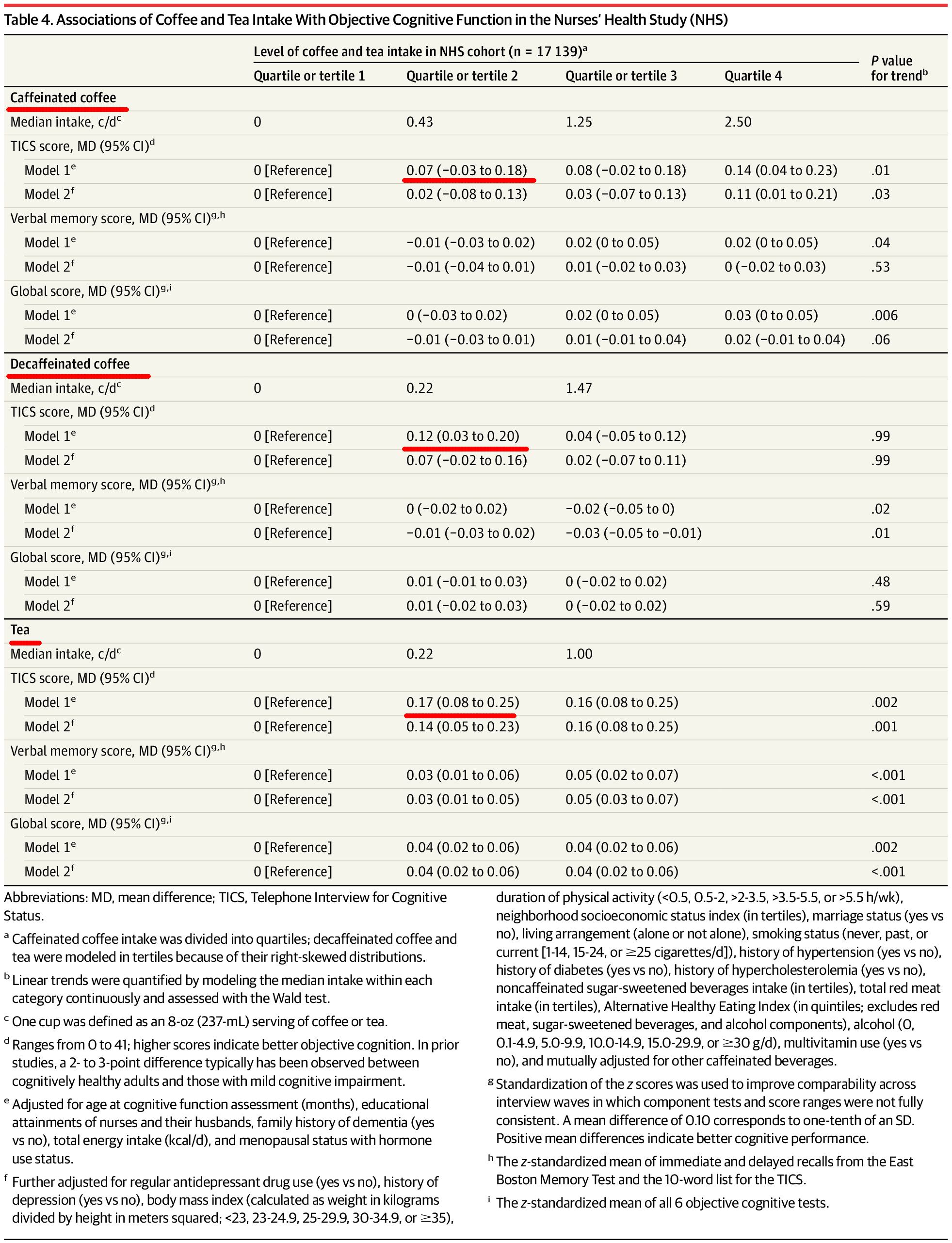
In 2026, it is easy to feel intellectually knocked around by all of the health claims you read...

User picture.
picture for Hontas Farmerpicture for picture for Tommaso Dorigopicture for Fred Phillipspicture for Atreyee Bhattacharyapicture for Patrick Lockerby
Hank CampbellRSS Feed of this column.

I founded Science 2.0® in 2006 and since then it has become the world's largest independent science communications site, with over 300,000,000 direct readers and reach approaching one billion. Read More »

Blogroll
Women May Earn Just 49 Cents on the Dollar, is the title of an article by Annie Lowrey in The Atlantic.

It's only below the fold that, after laying out lots of links and obfuscation and conflicting claims designed to make the audience believe the situation is oh so complicated that we get this quiet disclaimer:
John Wiley  &  Sons Inc., the global academic publishing house with nearly $2 billion in revenue, recently got embroiled in a Twitter controversy about the efforts of one publication to go open access.
Though vitriol and outrage are common in western culture in 2018, when it comes to claims that a researcher in China used CRISPR technology to edit a human embryo, bloggers, journalists and scientists on social media have taken it to another level.

Without even reading the paper. Because there isn't one. Nor is there any data.

It's just some guy claiming he did it, not once but twice. And based on that people are going on tirades about how it violates ethics - well, their subjective notion of ethics, none of which have anything to do with the culture of China. 
When Dr. He Jiankui announced that he had used CRISPR to prevent future HIV infection in twin girls, there was outrage across the United States, but most of it had nothing to do with science. It was instead concern that a mad scientist with suspect ethics had used a new technology to edit human embryos, and if that remains unchecked Frankenhumans could be born. 

It may be 2018 but it feels like 2001 all over again. 
There is a reason that environmental groups and other anti-science activists out-earn the pro-science non-profit world by 1000X, and that reason is emotion.

See a scientist be emotional or aggressive in defending their work and any number of people, including other scientists, will chide them and say that is not how scientists are supposed to act. Meanwhile, the trial lawyers who run environmental groups know that they have set the bar for how they are supposed to act differently; they are supposed to be passionate. It's expected.
Two weeks after people were sickened by E. coli on romaine lettuce, the U.S. Centers for Disease Control told the entire country to throw theirs out, which alarmed people for little reason and cost farmers hundreds of millions of dollars. People shouldn't have been alarmed because most people would have thrown it out anyway. Up to 94 percent of people throw out lots.

And that's not as alarming as media reports are making it sound. We are constantly told to eat less "processed" food and more of the fresh kind, which aside from statistical correlation has never been shown to be valid health advice, and fruits and vegetables that are not "processed" by being canned or frozen are going to rot.