Fake Banner
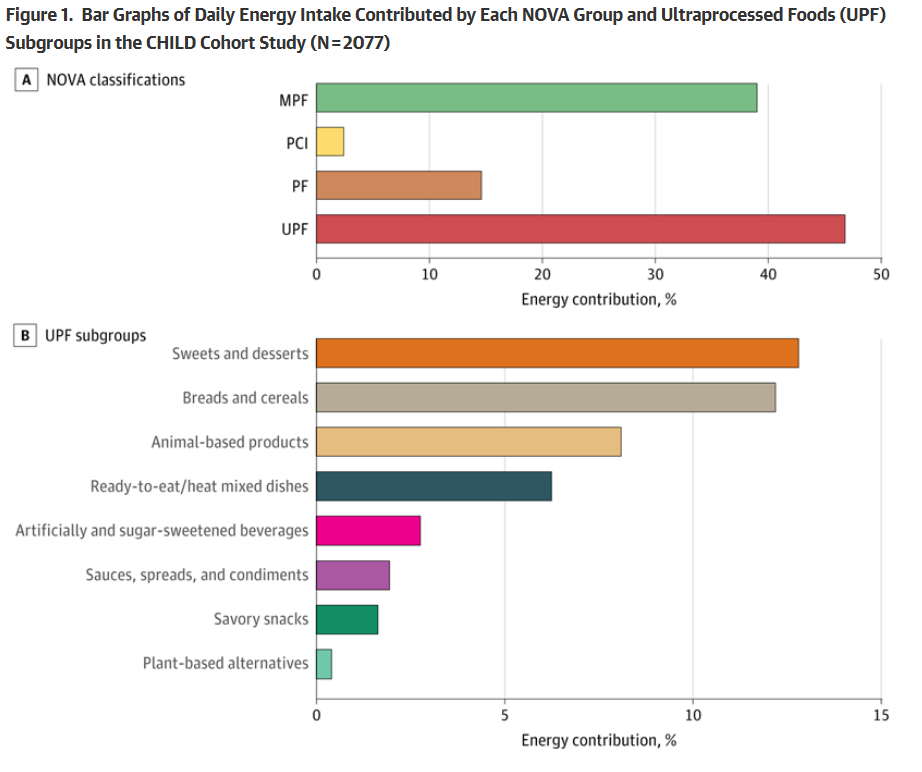
Canadian Epidemiologists Claim Processed Foods Cause Bad Kids

A cohort analysis of preschoolers in Canada has led the authors of the paper to call for bans...
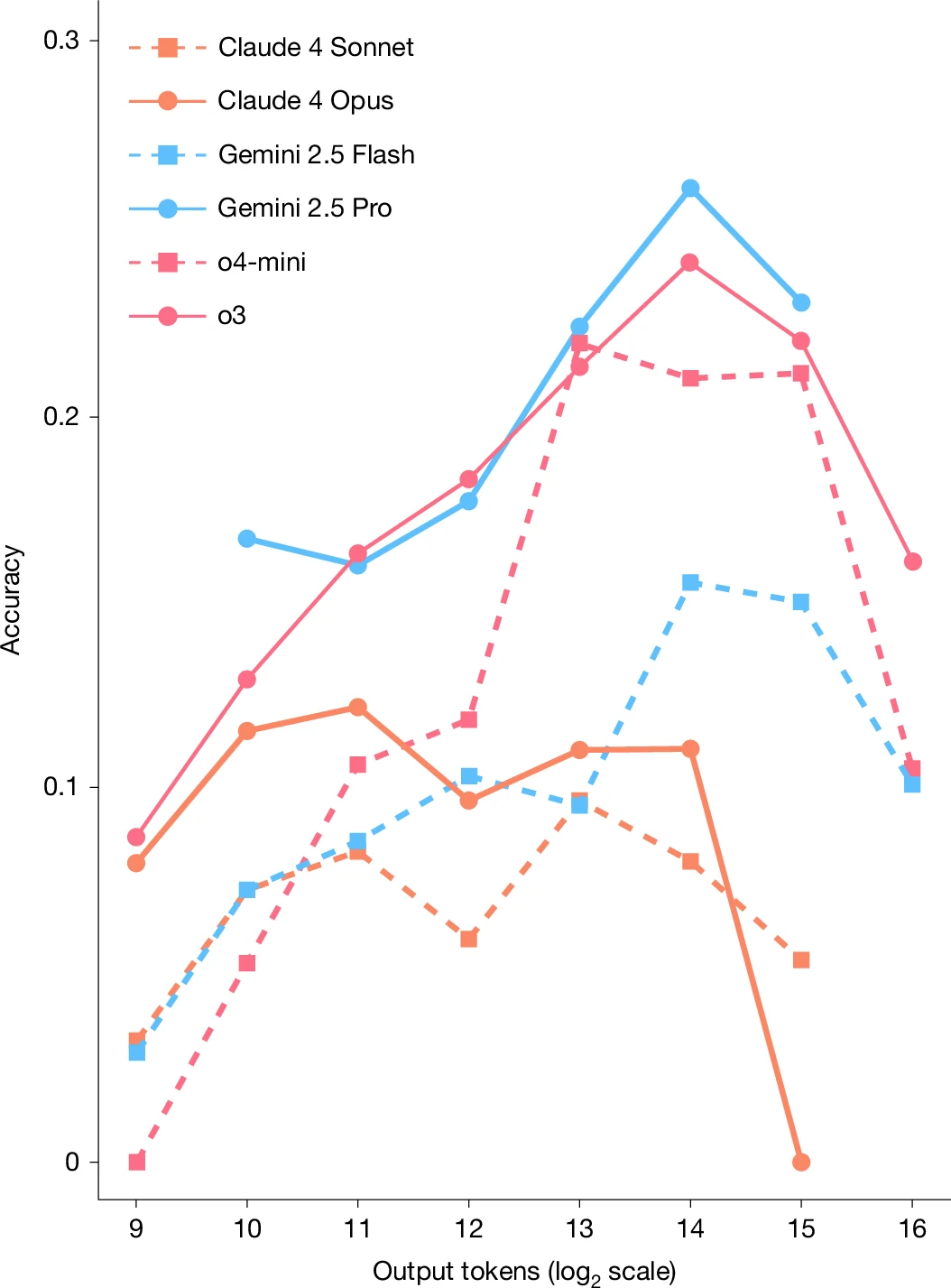
What AI Can't Do: Humanity’s Last Exam

By this time 26 years ago, the "Dot-Com Bubble" was ready to burst. People who wanted to raise...

Does NBA Income Inequality Impact Team Performance?

A new paper says that players where a few superstars get the money leads to less cooperation and...
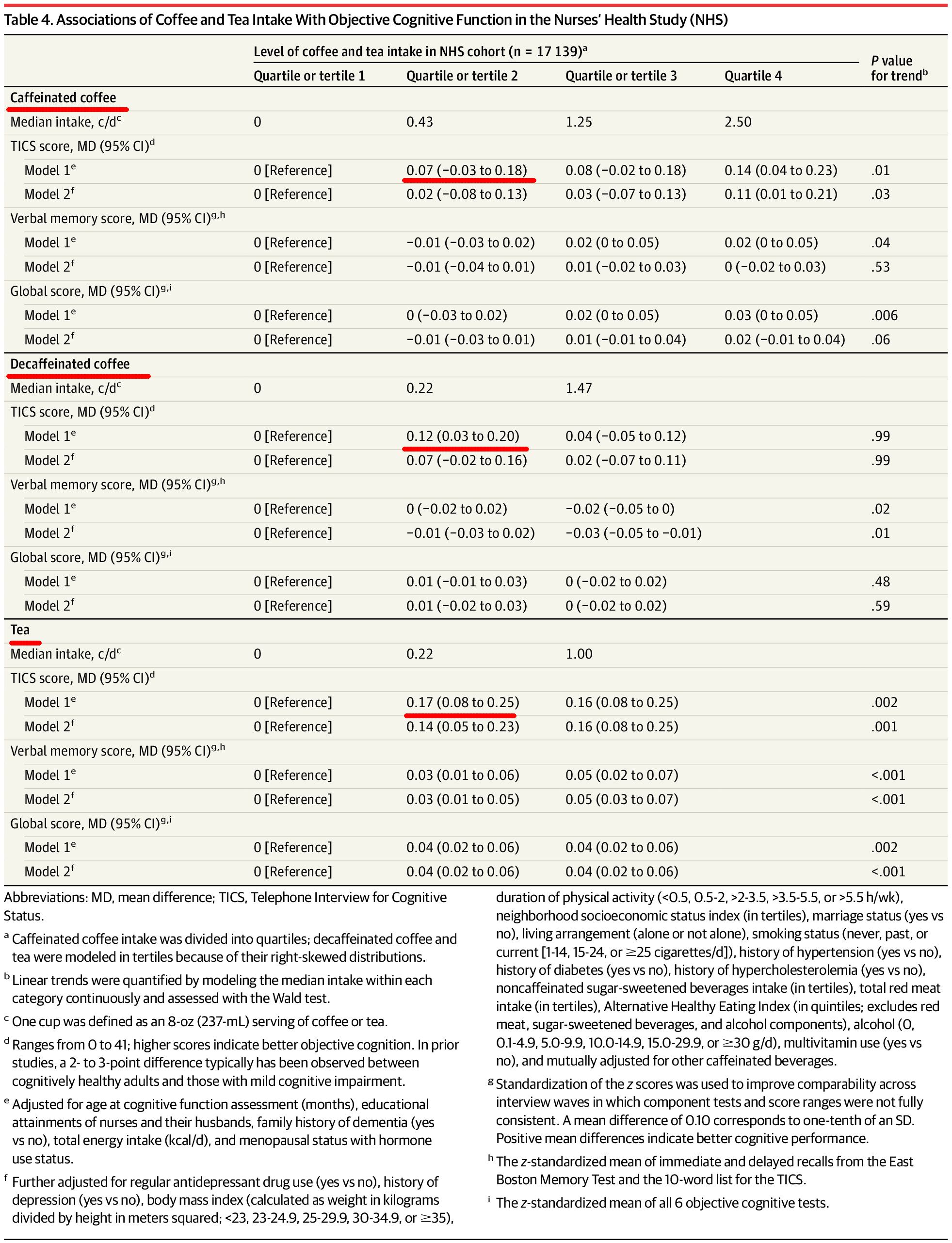
Dogs And Coffee: Finally, Epidemiology You Can Trust

In 2026, it is easy to feel intellectually knocked around by all of the health claims you read...

User picture.
picture for Hontas Farmerpicture for picture for Tommaso Dorigopicture for Fred Phillipspicture for Atreyee Bhattacharyapicture for Patrick Lockerby
Hank CampbellRSS Feed of this column.

I founded Science 2.0® in 2006 and since then it has become the world's largest independent science communications site, with over 300,000,000 direct readers and reach approaching one billion. Read More »

Blogroll
The Bee Informed Partnership conducts an annual survey of commercial and backyard beekeepers so that they can try and track health and survival rates of honey bee colonies.  Though honey bees are just one bee species out of about 27,000, estimates of their implied economic value are around $10 billion annually. A  The latest results show that honey bee colonies declined 44 percent during the year spanning April 2015 to April 2016.

That sounds alarming, and it is in contrast to studies showing that bee numbers are not in decline, but were instead at a 20-year high last year. (1)

How can the claims be so different? Should we be alarmed or not?

The United States Environmental Protection Agency has already been caught releasing proposals for early commentary to environmental trial lawyers and even republished Sierra Club talking points about Keystone XL, making them officially from the Obama administration.

You may not be surprised. The modern EPA is stuffed with former environmental activists, being at Union of Concerned Scientists is practically a shoe-in for a government job during the last seven years. Yet those clearly conflicted EPA officials have never recused themselves from decisions, even when being lobbied by their friends at activist organizations.

Whole Foods, NPR, and environmental groups brag about how wealthy and educated their customers are but recent data instead show that anti-GMO beliefs are actually a sign of being less educated. This is a big blow to Organic Consumers Association and the attack groups they fund to say just the opposite, such as U.S. Right To Know and SourceWatch.

How did anti-science activists opposing vaccines and affordable food fool so many for so long?
A YouGov poll found that anti-GMO beliefs are a sign of being less educated. It is something the science community has always known but organic industry trade groups such as Organic Consumers Association, U.S. Right To Know, and SourceWatch try to claim the opposite - that the customers of their clients are super-smart.
The International Agency for Research on Cancer got a skeptical look from journalists and the general public after epidemiologists in the UN group declared that sausage is as dangerous as cigarette smoking, plutonium, mustard gas and asbestos.    

That doesn't pass the smell test and everyone can see it. Obviously those things are riskier than an Oscar Mayer bologna sandwich. The problem is that most people can't recognize IARC's other bizarre claims as being just as irrelevant to the real world.

The International Agency for Research on Cancer, a  United Nations epidemiological group located in France, has been around since the 1960s but only recently got a skeptical look from journalists and the general publi.

Because they declared that sausage is the same risk as cigarette smoking, plutonium, mustard gas and asbestos.

You read that right.


Anyone with any knowledge of science knows that doesn't pass the smell test. Obviously those things are riskier than an Oscar Mayer bologna sandwich.