Fake Banner
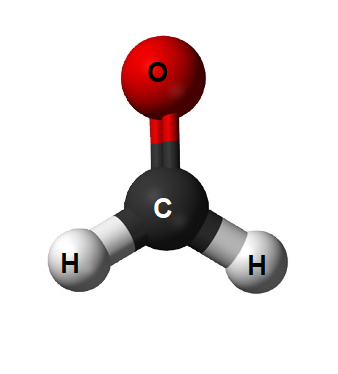
TSCA: Here Is What You Need To Know About EPA Taking A New Look At Formaldehyde

The U.S. Environmental Protection Agency has signaled it will once again examine formaldehyde under...

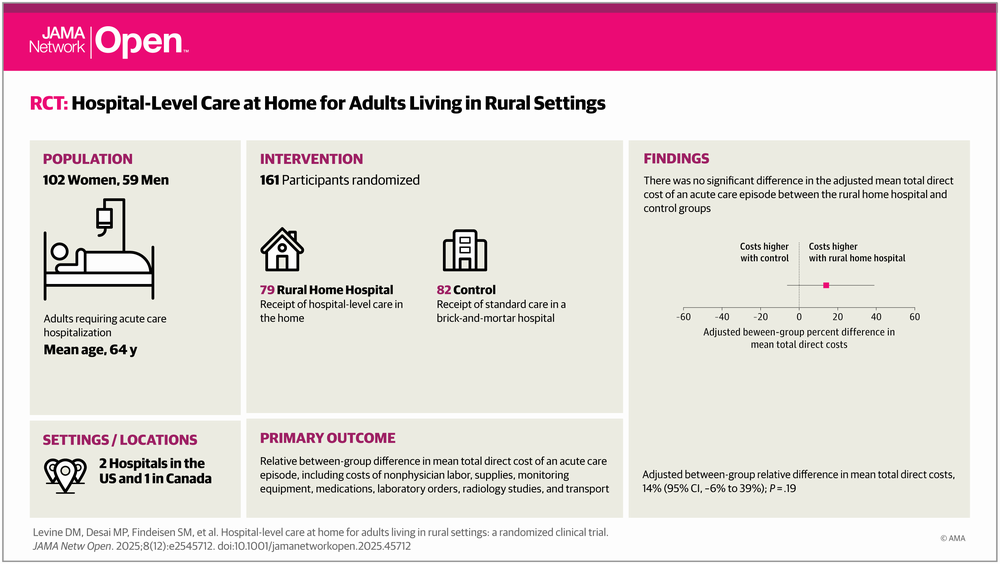
Sending Health Care To Homes Is Better And Cheaper Than Hospital Stays

Due to the rising costs and inability of doctors to own hospitals since the Affordable Care Act...

If You Want To Golf Better, Don't Play With A Democrat

Sports used to bridge a lot of cultural gaps. You could walk into any bar and ask what the score...

The Organic Foods You Need To Avoid This Thanksgiving To Stay Cancer-Free

Though vegetable oil is all the rage this year, we need to remember that food scaremongering is...

User picture.
picture for Tommaso Dorigopicture for Fred Phillipspicture for picture for Patrick Lockerbypicture for Hontas Farmerpicture for Ilias Tyrovolas
Hank CampbellRSS Feed of this column.

I founded Science 2.0® in 2006 and since then it has become the world's largest independent science communications site, with over 300,000,000 direct readers and reach approaching one billion. Read More »

Blogroll
A National Institute of Environmental Health Sciences paper(1) is sounding the alarm about detectable per- and polyfluoroalkyl substances (PFAS) in blood samples of Delaware residents.

It sounds scary, but scientifically there are two things to keep in mind:

1. We can detect anything in anything in 2025.
2. Presence is not pathology.
A survey asked 185 practicing transplant hepatologists across the U.S. who are among the American Association for the Study of Liver Diseases members across the U.S. about "unhealthy" alcohol use - alcohol is a class 1 carcinogen, so unless you eat healthy amounts of plutonium or smoke healthy amount of cigarettes 'unhealthy' is a strange qualifier only alcohol gets - and found 26.3 percent screened positive for way too much alcohol use.

Which is higher than the general United States population but ironic since hepatologists are gastroenterologists who focus on liver diseases and alcohol is the leading cause of liver disease. So common that they had to create a non-alcohol version for the rarer cases of fatty liver disease that don't involve drinking.

If a politician who used to be a Natural Resources Defense Council lawyer hasn’t banned all food coloring by the time you read this, here is how you can make your own green slime. In both Gen X - chemicals that sound like chemicals - and more natural-sounding versions of chemicals. Basically, people who think Dawn dishwashing liquid is an organic weedkiller.

These are excerpted from Halloween Science 2.0, available on Amazon (and free if you have Kindle Unlimited)


Let’s post two ways. Both of these scale, depending on how much slime you want.

Impostor participants are people who fake data in order to take part in health research or are  automated computer ‘bots’ which mimic human behavior and responses. As claims get promoted in journalism about harms related to PFAS in water, weedkillers causing cancer, or food coloring causing diabetes, lawsuits by predatory lawyers have become big business, and it won't be a surprise if such Predatorts or environmental and other activist groups are involved in fake participants to manipulate results in their favor.
A new call to action by ecologists uses a numerical model to note that wildfires in places like California have been made worse by humans. 

That doesn't mean it is human emissions. For decades, California government has banned logging. They let people move to risky fire areas and then not pay for any mitigation or firebreaks. State and local governments refuse to allow dead brush to be cleared because it impacts the environment.
In the early days of Science 2.0, blogging did not get a lot of institutional respect. Public outreach was a waste of time, academics were often told, leave that to science journalists and the PIOs at schools who write press releases.

It seemed archaic. Anyone who knows how much of science is government-funded, about a third of basic research, knows that means it is political. Which means you cannot and should not let someone else write your narrative. It's too easy to manipulate. A decade ago, when a group wrote to Columbia University and asked them to remove Dr. Oz from the faculty because of his claims about supplements and that medicine was a corporate conspiracy, he got allies in corporate journalism to dismiss us as Big Pharma shills.(1)