Fake Banner
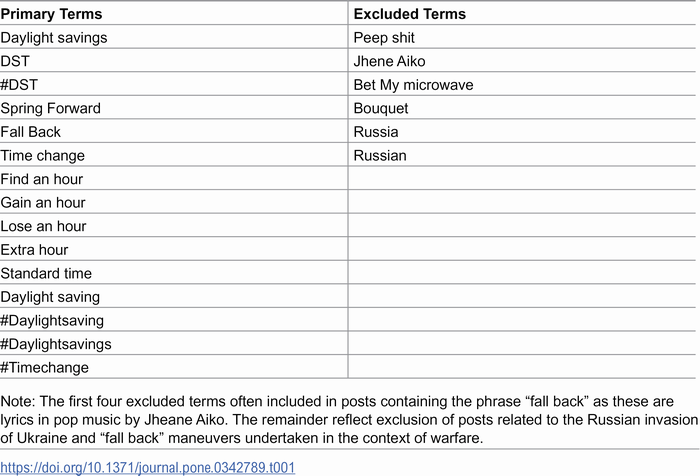
Spring Forward Fall Back: We Hate Changing Clocks But Hate One Change Most

In 1918, with Gen Black Jack Pershing off to France to stop the Germans in World War I, the United...
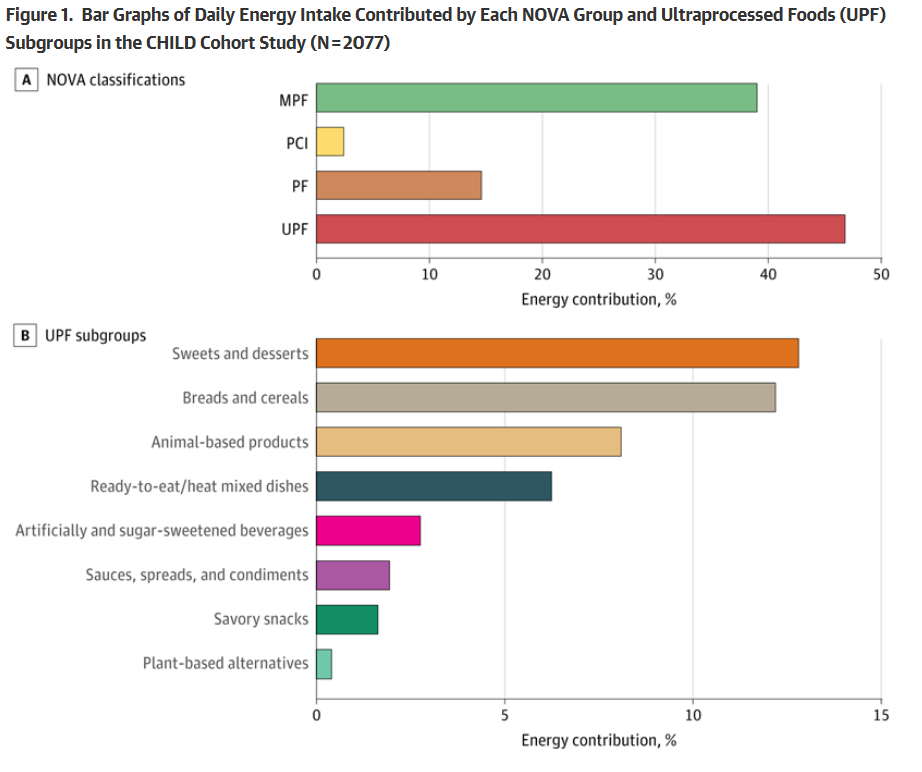
Canadian Epidemiologists Claim Processed Foods Cause Bad Kids

A cohort analysis of preschoolers in Canada has led the authors of the paper to call for bans...
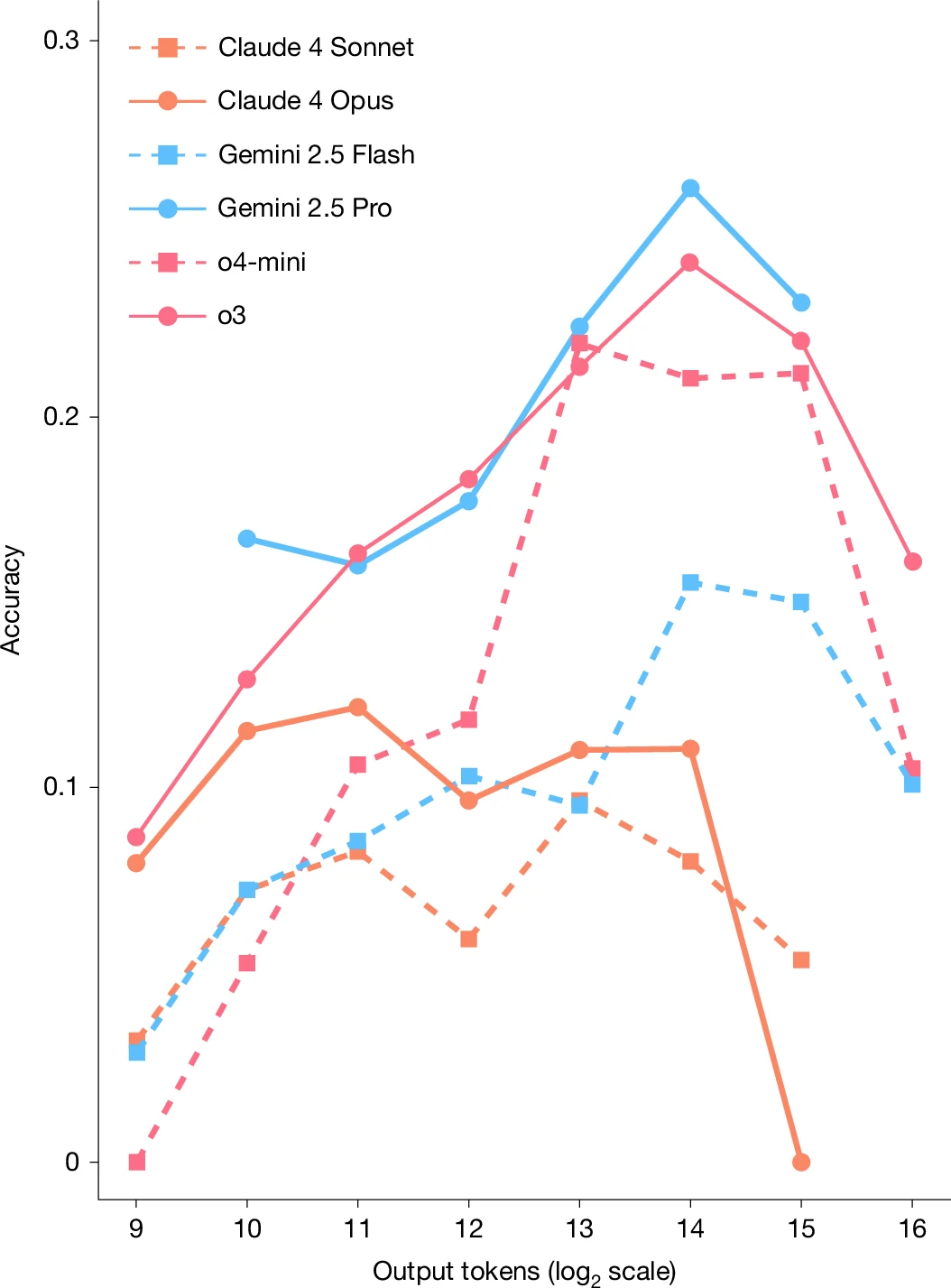
What AI Can't Do: Humanity’s Last Exam

By this time 26 years ago, the "Dot-Com Bubble" was ready to burst. People who wanted to raise...

Does NBA Income Inequality Impact Team Performance?

A new paper says that players where a few superstars get the money leads to less cooperation and...

User picture.
picture for Tommaso Dorigopicture for Hontas Farmerpicture for picture for Fred Phillipspicture for Atreyee Bhattacharyapicture for Patrick Lockerby
Hank CampbellRSS Feed of this column.

I founded Science 2.0® in 2006 and since then it has become the world's largest independent science communications site, with over 300,000,000 direct readers and reach approaching one billion. Read More »

Blogroll
Why would anyone bake bread and then turn around and toast it?

I lived in a Pennsylvania house heated by wood. The idea of using our manual labor, in the form of wood, to toast bread was silly - but we owned an electric toaster. Somehow, being removed from the direct labor equation made toasting more acceptable, though our ancestors thought it a pastime for the idle rich.
Spend any time in American science media and you may find some of them are pretty far out of the political mainstream; so far out, they may not even be friends with anyone who has not always voted the same way as them.

So it's unsurprising that much of science media once perpetuated the claim that 'science votes Democrat.'  Humans are fallible and confirmation bias is sneaky. As was apocryphally attributed to New Yorker film critic Pauline Kael after the 1972 Presidential election and a Richard M. Nixon landslide victory, "I don't know how Nixon won. No one I know voted for him." (1)
George Clooney used to copy my haircuts.

People who knew me in the 1990s always marveled at my classic, parted-on-the-side, immaculately coiffed style. It was retro, just like the term "marvelous' is today. Prior to that, I had a classic Caesar no-part look. He showed up in the television show "E.R." sporting that and I dismissed it as coincidence but when he then jumped onto my "Mad Men without the goop" look, I became suspicious and switched again, to a slicked-back "1980s martial arts villain" look, before changing to what I have now; a random part, more California, less Northeast serious. When you are young, it is a struggle to be taken seriously in the physics and engineering world but I am older now, so it's all cowboy boots and casual.


Science 2.0 fave Ora TV has a fun show-you-should be-watching-if-you-are-not-already-watching called Dweebcast, where host Andy Riesmeyer covers all things nerd.

They have begun a new segment called The Science Of Sci-Fi, and they asked Science 2.0 to help pick the perfect person to talk about...human cloning: Joanne Manaster, Lecturer in Biology at the University of Illinois and all-around science advocate jumped into the fray.
No one knows why Hypospadias, a birth defect where the urethral opening is abnormally placed, became more common among Swedish boys in recent decades. Before 1990, it happened in 4.5 per 1,000 boys, and after that increased to 8 per 1,000 boys.


Researchers looked at past attributed causes (in epidemiology, they find two curves that go the same direction and attribute causation), such as low-birth weight, being born a twin, or being born from in vitro fertilization (IVF) to conceive, but the curves did not match.

Maybe it was less reported in 1973. No one can say. So they created a new cause out of thin air: endocrine disruptors.
20 years ago, nuclear science died a horrible death at the hands of President Clinton and Senator John Kerry. It's science fiction fantasy to imagine now what nuclear science would be like if the last 40 years had been spent with American ingenuity and technological prowess tackling the issue, rather than it becoming a political football to placate anti-science activists before finally being killed off.

Its legacy haunts us today. With nuclear energy blockaded well before that, and modern hydraulic fracturing not yet created, America had to rely more on coal. Environmental groups never accept any blame for the U.S. rise in CO2 emissions, but it rests squarely on them as much as it does on automobiles.