Most people regard journalists as biased, though it is most evident in the bias of journalists at places politically different from the consumer - in the US, MSNBC viewers regard Fox News consumers as biased while Fox News consumers regard everyone else as biased.
Science media does not have this issue because everyone votes the same way politically and it makes no difference; except on political issues that attract political demographics, like GMOs or climate change, science media can stick to science. What about sports? Can a sports journalist be biased?
They can. It just may not be evident when it comes to their sports coverage.
Every few years, San Diego State researchers and Clorox get together and produce a study showing that the 'five second rule' - how long food can be on the floor and still be safe to eat - is not really true. Instead, germ transmission, like electricity, happens really fast.
How do you make an A-list film with a B-movie budget? You use clever writing, moody atmosphere and then some creative camera work. Result: a lot of fun.
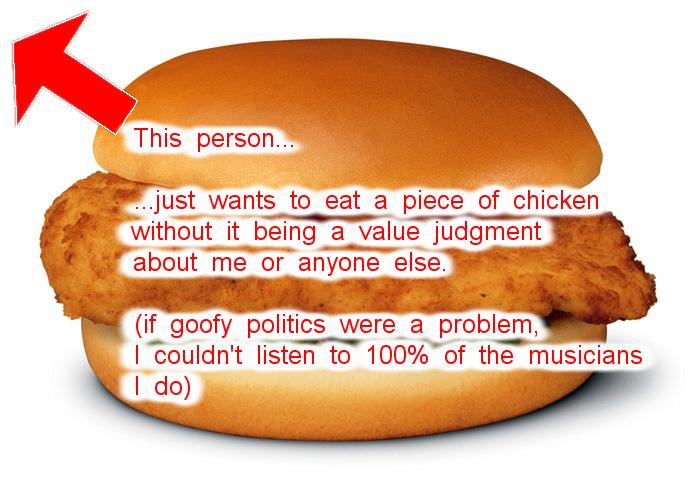
Are you buying Halloween candy? Don't you know they use child labor to harvest those cocoa beans? You went to Chick-fil-A? So you don't believe gay parents have just as much right to be annoying at a kid's soccer game as everyone else?
It's increasingly the case that someone, somewhere, is going to make a value judgment about you based on what you buy and where. This is the sign of a new, militant mentality made easier by the Internet, right? No, it is American culture 101. The first American boycott took place in 1765, because of the Stamp Act, and it so confused and was misunderstood by the English ruling class they lost a whole country 11 years later over it. We're not as ban-happy as Europe, so we instead boycott, and always have.
To people who are brand new to the culture wars, California's Proposition 37 might be scary. It has demonstrated that the world is a very small place, lies and hysteria can travel around the world and be perpetuated by the blogosphere, the Tweety pages and the Faceyspaceys well before there can be any fact checking or even common sense checking.
Fusion is the super-clean energy we would be thinking about if government-controlled energy science were about the best long-term solutions and not political pet projects - alas, its share of the $72 billion spent on alternate energy the last three years is negligible.
But something is better than nothing and some recent research revealed at the International Atomic Energy Association's Fusion Energy Conference in San Diego may be worth getting excited about.


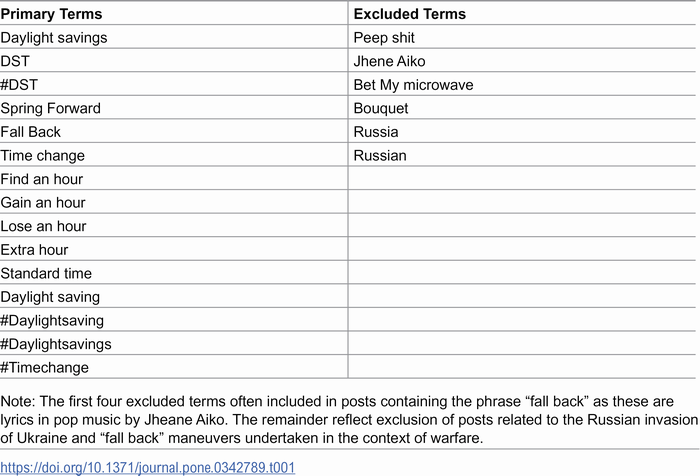 Spring Forward Fall Back: We Hate Changing Clocks But Hate One Change Most
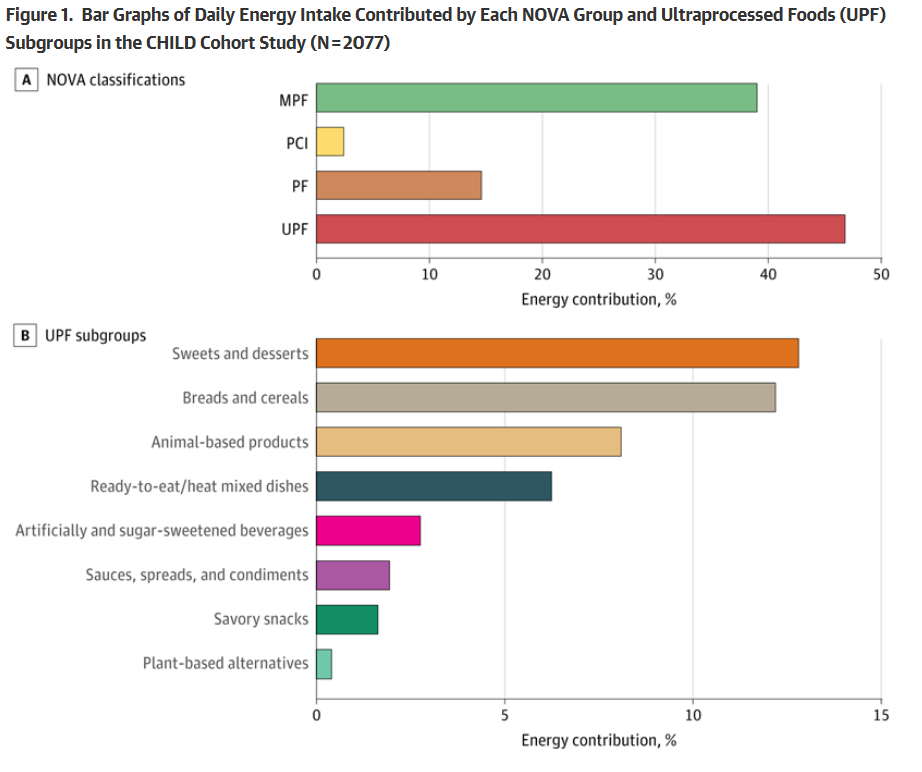 Canadian Epidemiologists Claim Processed Foods Cause Bad Kids
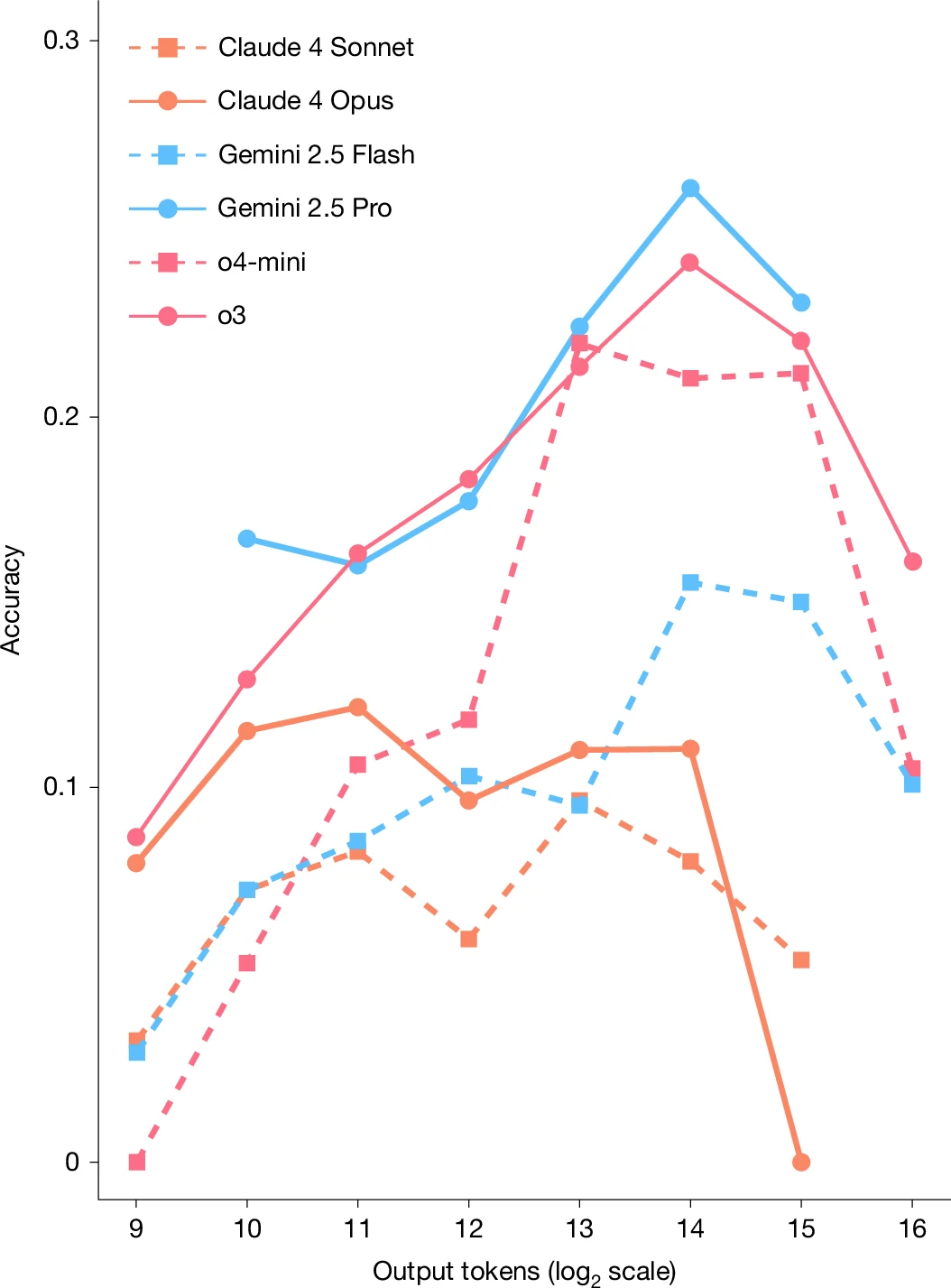 What AI Can't Do: Humanity’s Last Exam
 Does NBA Income Inequality Impact Team Performance?