Fake Banner
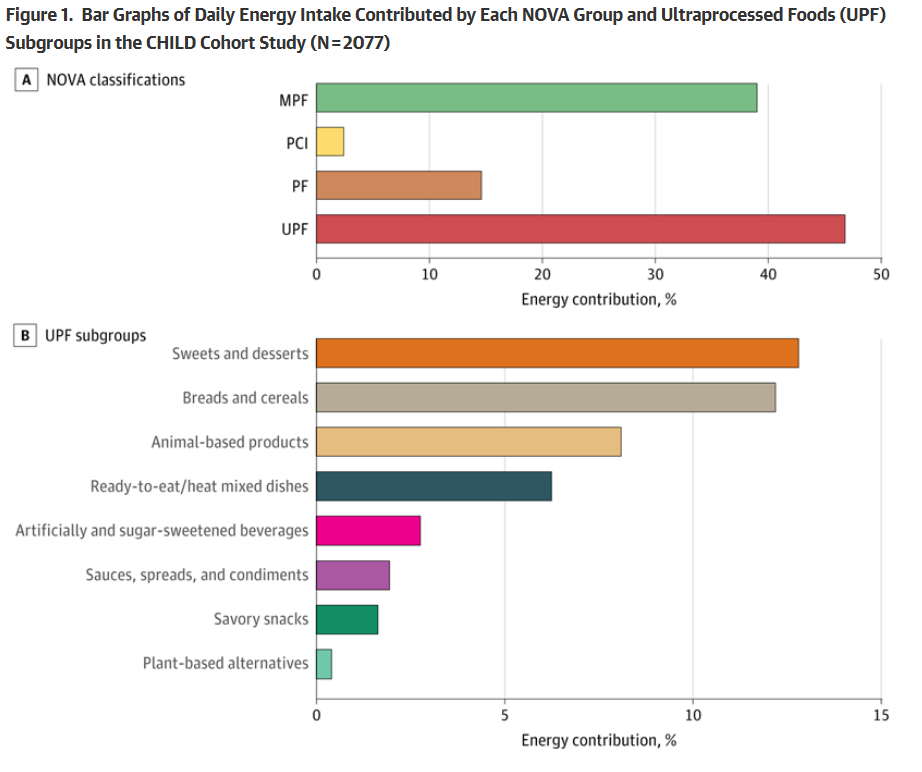
Canadian Epidemiologists Claim Processed Foods Cause Bad Kids

A cohort analysis of preschoolers in Canada has led the authors of the paper to call for bans...
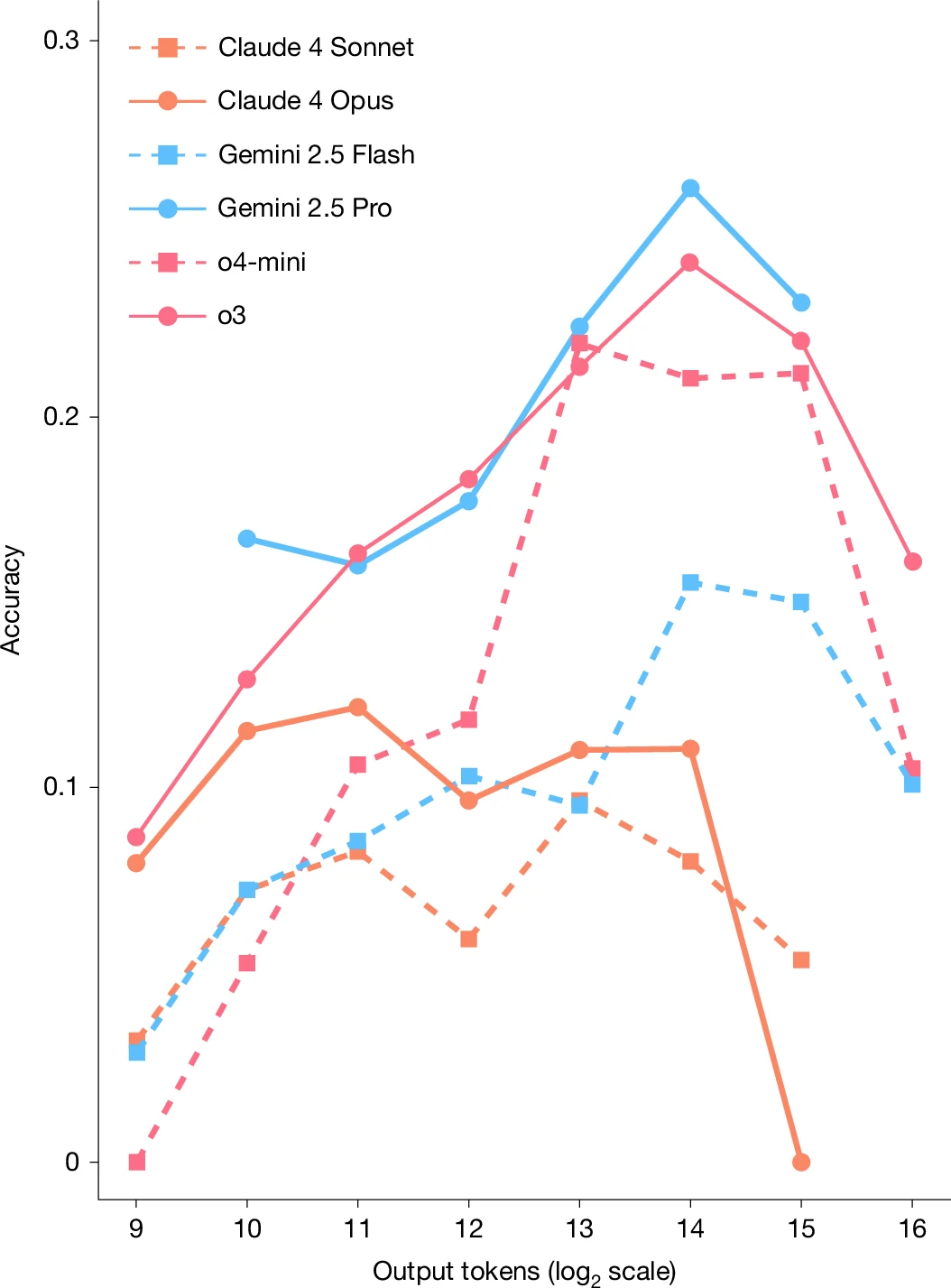
What AI Can't Do: Humanity’s Last Exam

By this time 26 years ago, the "Dot-Com Bubble" was ready to burst. People who wanted to raise...

Does NBA Income Inequality Impact Team Performance?

A new paper says that players where a few superstars get the money leads to less cooperation and...
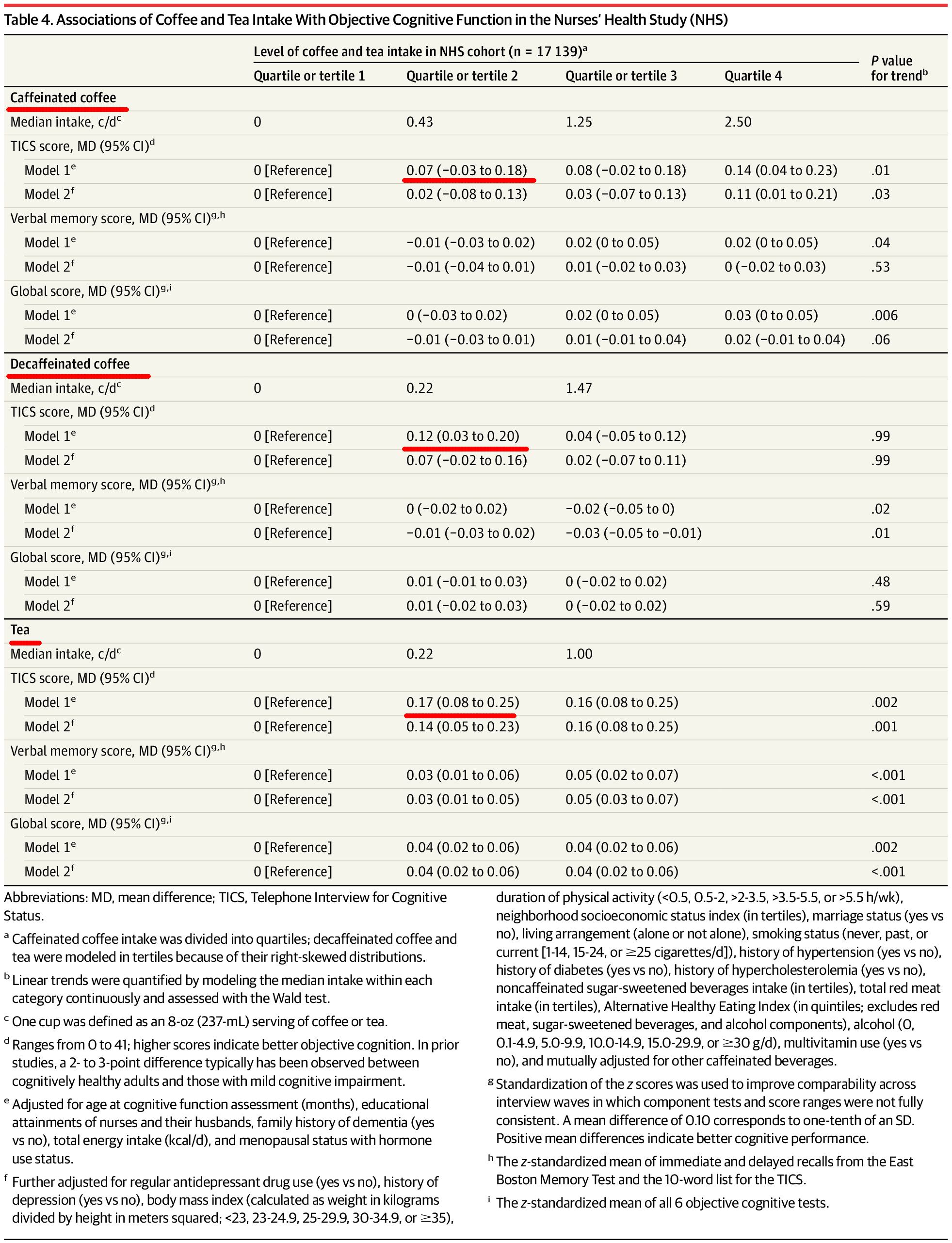
Dogs And Coffee: Finally, Epidemiology You Can Trust

In 2026, it is easy to feel intellectually knocked around by all of the health claims you read...

User picture.
picture for Hontas Farmerpicture for picture for Tommaso Dorigopicture for Fred Phillipspicture for Atreyee Bhattacharyapicture for Patrick Lockerby
Hank CampbellRSS Feed of this column.

I founded Science 2.0® in 2006 and since then it has become the world's largest independent science communications site, with over 300,000,000 direct readers and reach approaching one billion. Read More »

Blogroll
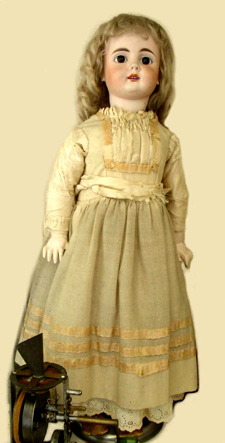
Thomas Edison did a lot right but there is one thing he got very, very wrong.

Namely, a talking doll that was sure to be an inspiration for generations of future horror movie fans.   It was a bold idea, of course, Edison had a lot of those, but sometimes even a marketing juggernaut can't make something work for the public given technological limitations - we are also talking to you, 3-D movie makers.   
But...but...you have to love journalists, according to journalists.  Only we hold government accountable and gotcha videos and bloggers rehashing what we come up with or they see in press releases can't be the same thing, they insist.

Well, it can, actually.  Journalists stopped being trusted guides long ago and the public caught on.   Journalists can complain about how much more vitriolic the discourse has gotten, but that's really only because the Internet has made it possible for both sides to get coverage.    
Most scientists and science journalists argue vehemently for basic research - and even more taxpayer money should be devoted to it, they say.   Politicians usually disagree and feel like taxpayer-funded research should have a goal or at least a defined result in its framework.
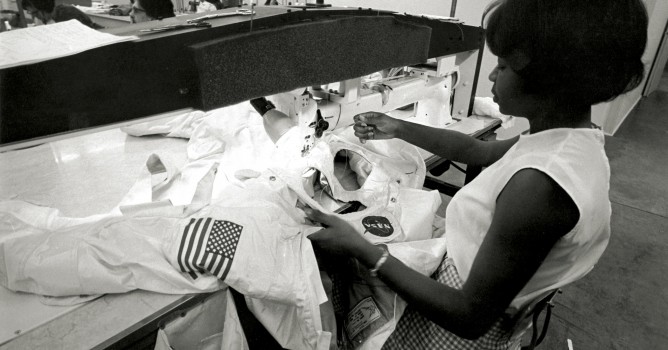
With the end of the space shuttle, we may also be seeing an end to manned space travel as a science endeavor.  I am not saying we shouldn't send people into space, we certainly should, but it should be just that - a bold voyage into the unknown and not rationalized with science, where it is not a very good one.  Robots are cheaper and better and the Congressional hearings are less messy if a robot dies.

President Obama likely agrees about robots, since he canceled the manned successor to the space shuttle, the Constellation project and there is no valid replacement in sight.
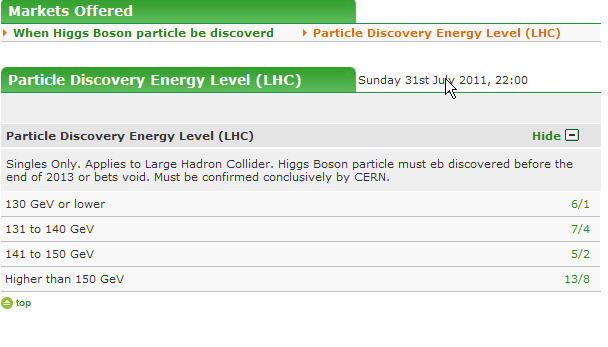
The LHC and its lower-energy counterpart in the US, Tevatron, have reported some important Higgs news this past week - details of six searches for the Standard Model Higgs boson at CERN and another in Chicago coming up.
Norway just had a tragedy - the kind of random violence that social scientists, who we all wish would take a holiday during horrific events, will try and find correlation and causation for, like he was right wing or he was left wing or he was angry about farm prices or a video game store didn't having something he wanted or even that he didn't get enough sex, once evolutionary psychologists dive in.