Humans owe it to language for their many accomplishments throughout history. Our ability to communicate thoughts and ideas enabled us to build entire cultures, establish laws, and develop new ways of making life increasingly better.
Since 1975, stroke mortality plummeted from 88 to 31 per 100,0000 for women and 112 to 39 per 100,0000 for men, but since 2020 it has been creeping back up.
Strokes haven't seen a huge resurgence yet because Baby Boomers, and soon Generation X, have the biggest risk for it like aging is for most diseases. For example, a 10 percent reduction in the fatality rate for 75-year-olds would more than offset a doubling of the fatality rate among 35-year-olds because strokes are 100 times more common in 75-year-olds. Yet that
Millennials are seeing higher numbers than previous generations at their ages is a concern.
Phase 2 data showing a reduction in amyloid-beta plaques in early Alzheimer's patients is good enough for FDA to give it temporary approval under their Accelerated Approval pathway.
The positive results occurred in mild cognitive impairment or mild dementia patients. Lecanemab-irmb is a 100 mg/mL injection for intravenous use, a humanized immunoglobulin gamma 1 (IgG1) monoclonal antibody directed against aggregated soluble (“protofibril”) and insoluble forms of amyloid beta (Aβ) for the treatment of Alzheimer’s disease (AD). The approval is based on Phase 2 data that demonstrated that LEQEMBI reduced the accumulation of Aβ plaque in the brain, a defining feature of Alzheimer's Disease.
Vegetables have had a lot of foodborne outbreak scandals, but two times since the 1980s they have also impacted meat in a big way.
Mad Cow disease in 1986 and Listeria in 2019 killed people. Mad Cow disease was due to poor quality control and a lack of coherent meat-chain understanding - the annual Burns Supper is coming up but you still can't buy haggis from Scotland - while more recent Listeria was just sloppy controls. Those can happen anywhere in the food chain but there may be ways to reduce the risk without making the perfect the enemy of the good.
Another year just started, and this is as good a time as any to line up a few wishes. Not a bucket list, nor a "will do" set of destined-to-fail propositions. It is painful to have to reckon with the failure of our strength of will, so I'd say it is better to avoid that. Rather, it is a good exercise to put together a list of things that we would like to happen, and over which we have little or no control: it is much safer as we won't feel guilty if these wishes do not come true.
Critics of scientists and science writers who speak plainly usually note it is better to be more neutral in tone, informational - 'show them some slides.'
Yet very little actually gets done that way. A few places can stay in existence writing 'the universe is mysterious' articles but environmentalists know how to move the needle, financially, politically, and cultural. And it is not by being informational. Though their work is often hyperbole and misinformation around a kernel of scientific truth, they see positive results as the goal, not science.
We don't get many new antibiotics in America despite there being a great need. The reason is simple; though 85% of American drug spending is for "generic" - it is off patent, so anyone can make it without doing any work - a lot of people want everything to be generic. And cheap. Big Pharma is hated.
There is nothing cheap about science, so companies who don't want to spend $1 billion and 10 years for a new antibiotic only to have some grandstanding populist in Congress declare that medicine should be free. Instead they will tackle more obscure drugs that are less likely to get attention.
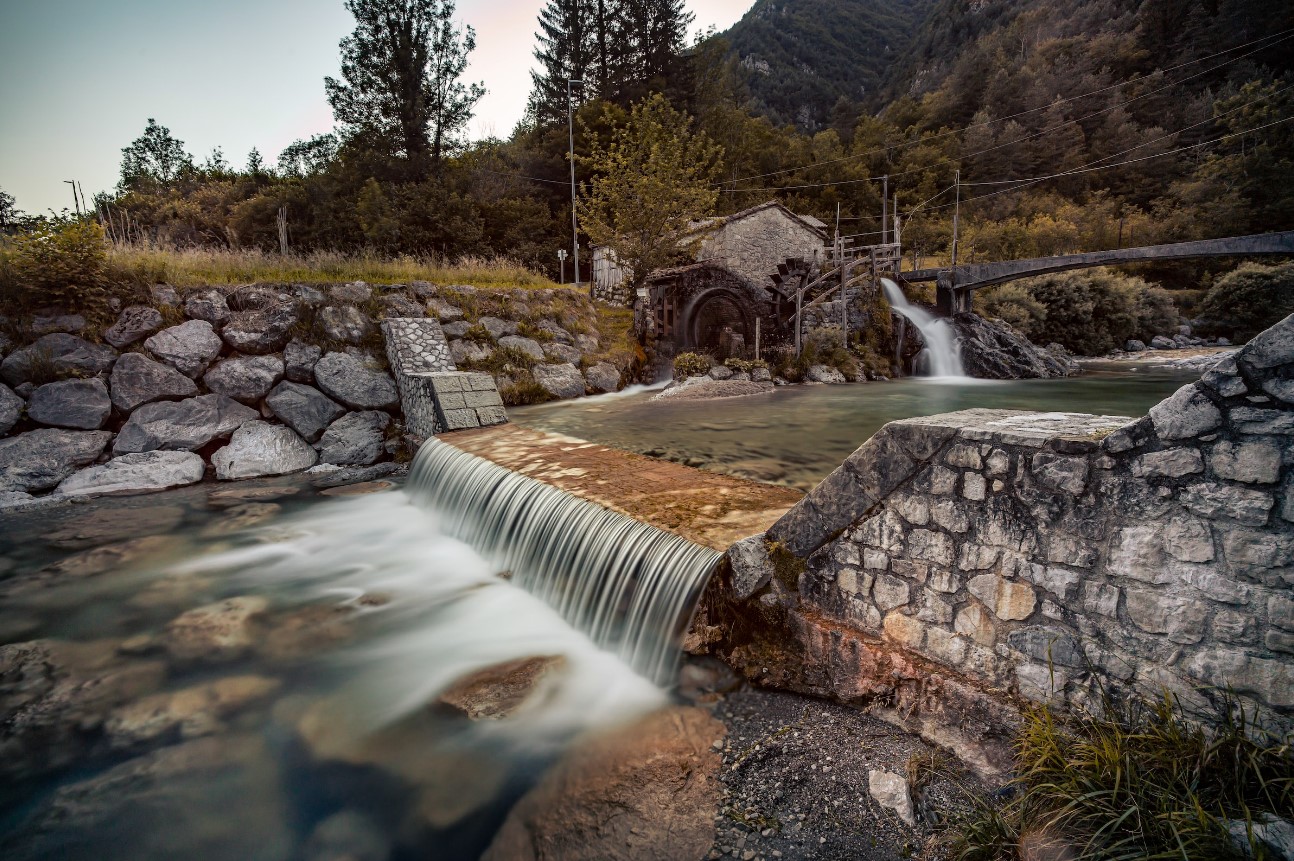
Unlike US environmentalists, Belgian greens didn't flip and suddenly regard hydropower as a bad thing, they regard it as a viable part of their renewable energy strategy. All options are on the table, 50 percent of their electricity is even nuclear. That's smart,
nuclear is 2 times the energy capacity of natural gas and obviously an order of magnitude greater and more reliable than wind and solar.
Going to an area where there are a lot of wind vanes can be shocking. The noise and environmental blight for so little energy isn't worthwhile, and needing to get exemptions from endangered species laws due to deaths of avians like eagles make them a real negative.
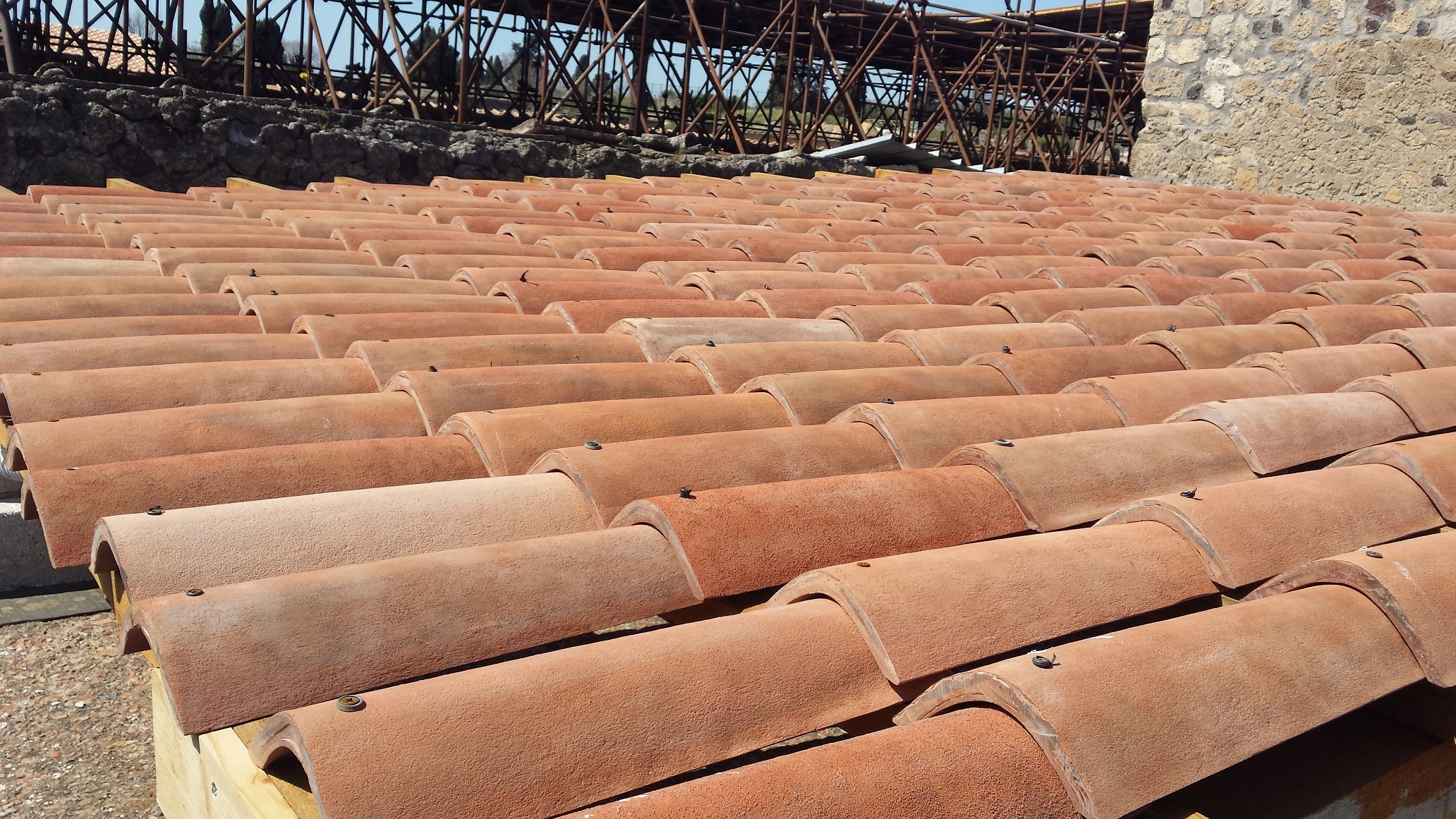
Solar panels have a little better cultural response but can still be unattractive. If you are a wealthy elite who doesn't like the appearance, or a government building using taxpayer funds, you may be able to turn architectural constraints into alternative energy without ruining the aesthetic. The archaeological park of Pompeii and the Portuguese city of Evora are creating solar panels that look like ancient Roman tiles or terracotta bricks to match the skyline.
Archaeologists in northern Iraq, working on the Mashki and Adad gate sites in Mosul that were destroyed by Islamic State in 2016, recently uncovered 2,700-year-old Assyrian reliefs. Featuring war scenes and trees, these rock carvings add to the bounty of detailed stone panels excavated from the 1840s onwards, many of which are currently held in the British Museum.