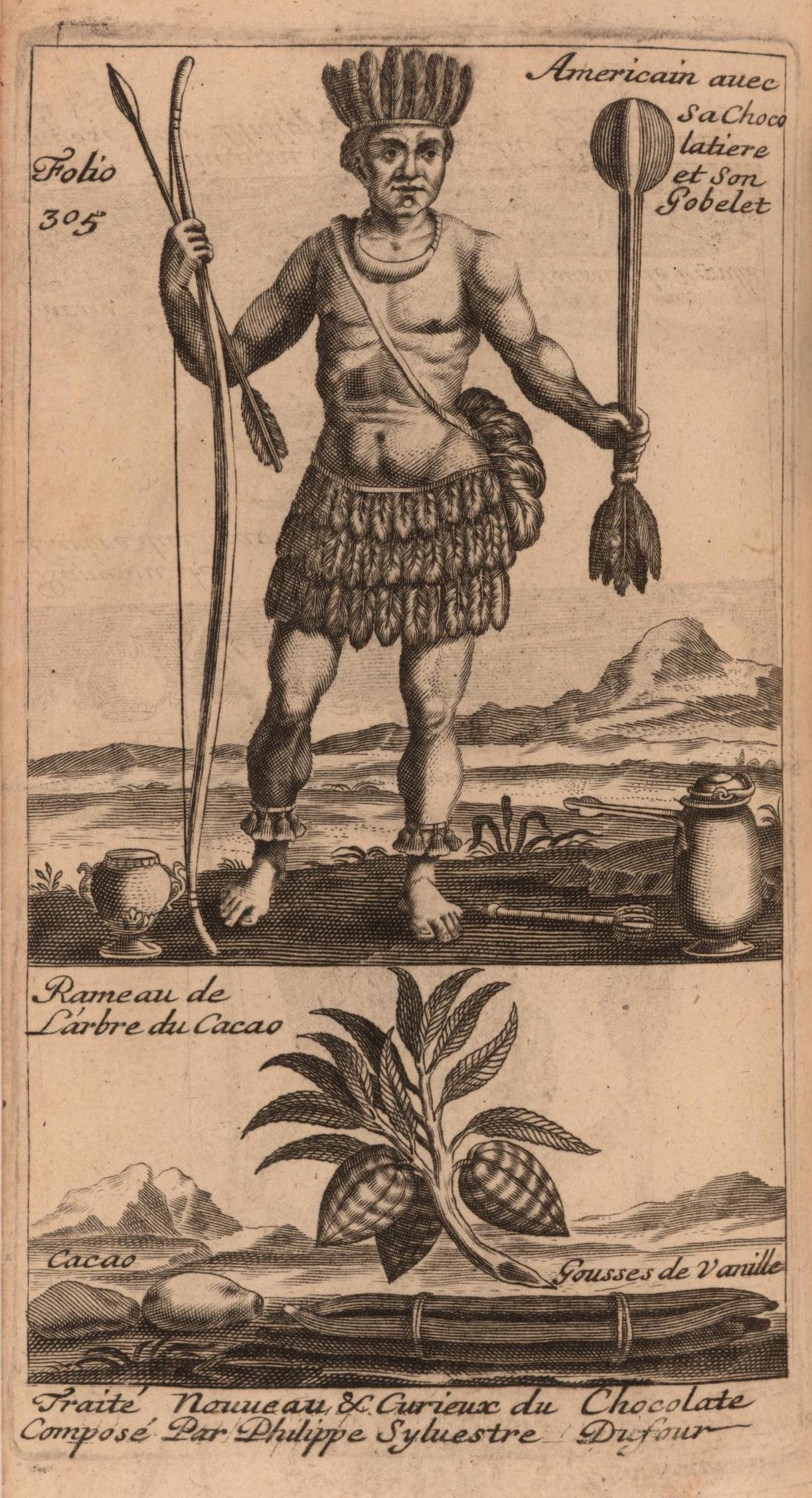



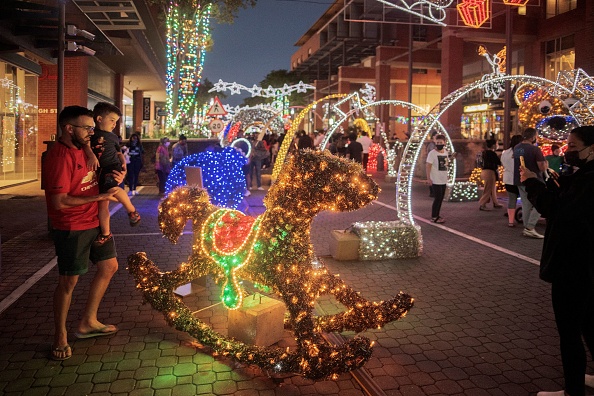
Advent calendars with hidden chocolatey treats, huge tins of Quality Street and steaming cups of hot chocolate festooned with whipped cream and marshmallows are all much-loved wintry staples at Christmastime. But how many of us stop to think about where chocolate actually comes from and how it made its way into our culinary culture?

The story of chocolate has a compelling, rich history that academics like me are learning more about every day.

In 2017, three researchers from the National Research Institute for Agriculture, Food and the Environment (INRAE), Denis Bourguet, Benoit Facon and Thomas Guillemaud, founded Peer Community In (PCI), a peer-review-based service for recommending preprints (referring to the version of an article that a scientist submits to a review committee).

The service greenlights articles and makes them and their reviews, data, codes and scripts available on an open-access basis. Out of this concept, PCI paved the way for researchers to regain control of their review and publishing system in an effort to increase transparency in the knowledge production chain.

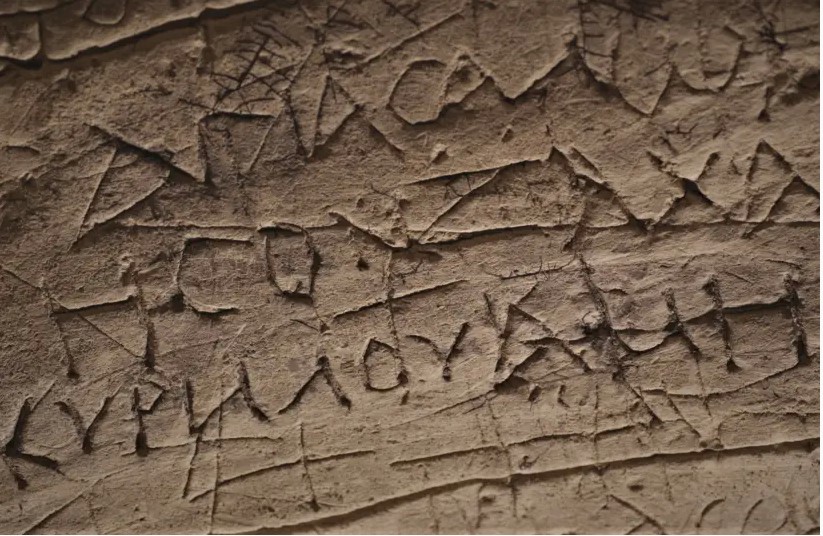
Inscriptions on the walls and crosses in a grotto first found by grave robbers in Lachish national park of the Judean lowlands west of Jerusalem have led archaeologists to conclude it was dedicated to Salome, associated with the birth of Jesus Christ in early Christian accounts.  The Jewish burial chamber and ossuaries dating back to the Roman period became part of a Christian chapel during the Byzantine era until the region was captured by the Rashidun Caliphate in the middle of the 7th century.
From insulin to lowering environmental strain to grow food, genetic engineering is one of the marvels of the 20th century. In the 21st, CRISPR-Cas9 or something else may achieve the same lofty status but genetic engineering isn't done yet.
Giant blue and humpback whales migrate across the ocean to breed and give birth in waters where predators are scarce.

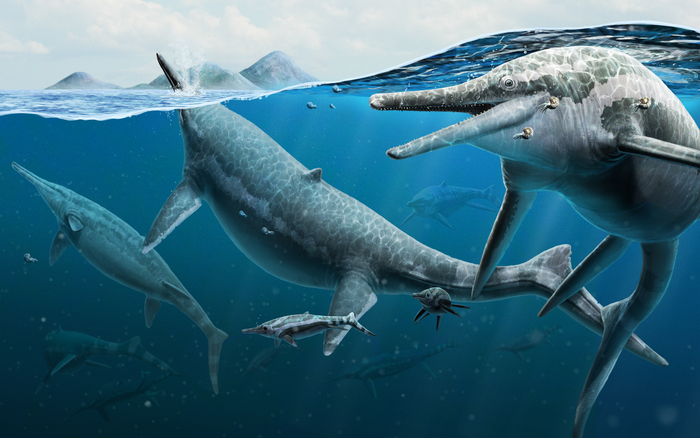
A new analysis of the fossil bed in the Berlin-Ichthyosaur State Park (BISP) in Nevada’s Humboldt-Toiyabe National Forest suggests that nearly 200 million years before giant whales evolved, school bus-sized marine reptiles called ichthyosaurs may have been making similar migrations to breed and give birth together in relative safety.

Nevada is east of the very large state of California, and the study offers a possible explanation why at least 37 of these marine reptiles came to meet their ends in the same locale.

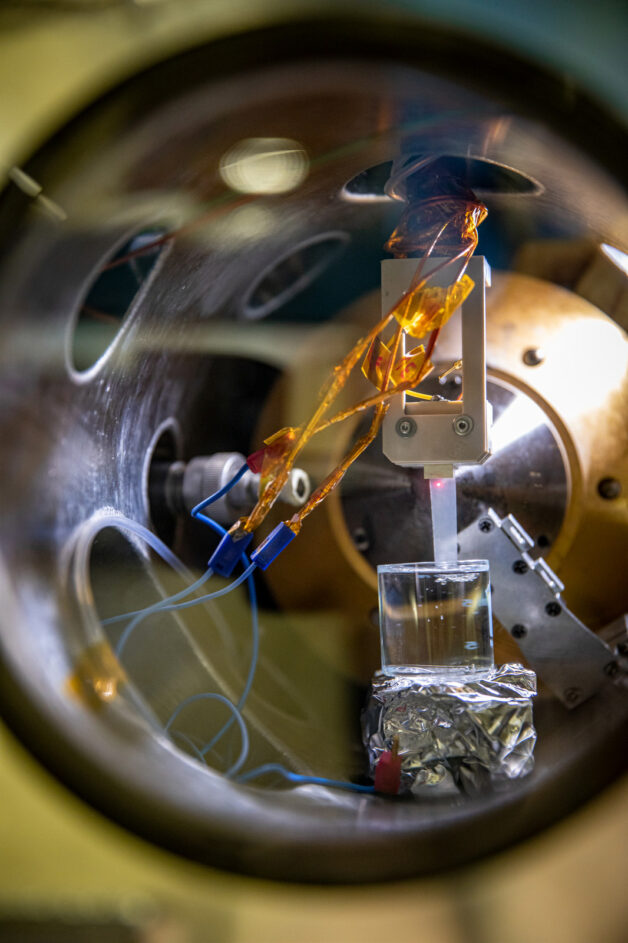
The Donnan electric potential arises from an imbalance of charges at the interface of a charged membrane and a liquid but detecting it directly has not been possible. Until now.

This is a suggestion for a way to resolve questions such as:

  • How effective are the best FFP3 / N99 masks at breaking transmission of COVID?
  • However effective is eye protection when combined with the best masks?
  • How effective is ventilation with HEPA filters?

Informed expert opinion can't resolve these questions at present with opinions that range from almost no effect to highly effective. We have many studies but most are observational and from the range of expert opinion it is clear that so far they have had limiations and are not conclusive.

First for anyone who doesn't know, NASA’s perseverance rover is currently collecting small samples of rock and leaving them on the surface in tubes on Mars. NASA want to return them some time around 2033 and they plan to return its Mars samples of rock and some dust / soil to biosafety level 4 facilities (BSL-4). But the ESF in 2012 said we have to contain ultramicrobacteria from Mars and a BSL-4 can’t do that.

See longer version of this post with extra graphics and explanations for non experts.

As Carl Sagan said:

First for anyone who doesn't know, NASA’s perseverance rover is currently collecting small samples of rock and leaving them on the surface in tubes on Mars. NASA want to return them some time around 2033 and they plan to return its Mars samples of rock and some dust / soil to biosafety level 4 facilities (BSL-4). But the ESF in 2012 said we have to contain ultramicrobacteria from Mars and a BSL-4 can’t do that.

[I have a shorter version for experts which leaves out most of the graphics and extra explanations here].

As Carl Sagan said:

If the media, popular entertainment, and retail habits are taken as indicators then the celebration of Christmas is no longer just the reserve of Christians. This has some consequences for the religious and non-religious alike.

In popular culture and the media, Christmas is portrayed as a time of happiness, togetherness, generosity, and peace. In the “made for Christmas” movies, such as those on the popular Hallmark Channel, a “feel good” message is the order of the day.

