




Polymer Batteries for Next Generation Electronics
If it takes off, Li-ion batteries should become cheaper, lighter, and safer. You can hear the head of the Leeds group, Ian Ward, talking about it on http://www.bbc.co.uk/programmes/b013qzps. It lasts from minutes 8 to 14 of the broadcast: the first item is about the discovery of HandAxe 1.0 in Kenya. I think that radio (unlike TV) is not restricted by copyright to the UK. It is RECOMMENDED, says I.
The Leeds work is about the layer between the anode and the cathode, while in contrast the first-mentioned article concerns work on the electrodes themselves. I found another link to it from the Royal Society of Chemistry,
Seaweed extract gives lithium batteries a boost
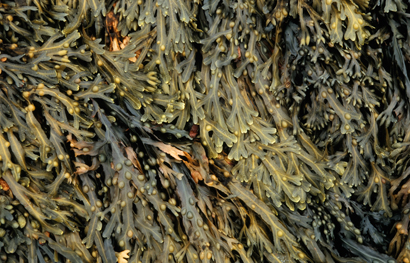
and learned that the lead author is Gleb Yushin of the Georgia (on my Mind) Institute of Technology, USA. The author’s first name is that of one of the first two saints, Gleb and Boris, canonized by the Russian Orthodox Church.
And the Liion? Not a big pussy cat, but something to type into the Firefox bar to bring the first article up.



Comments