Fake Banner
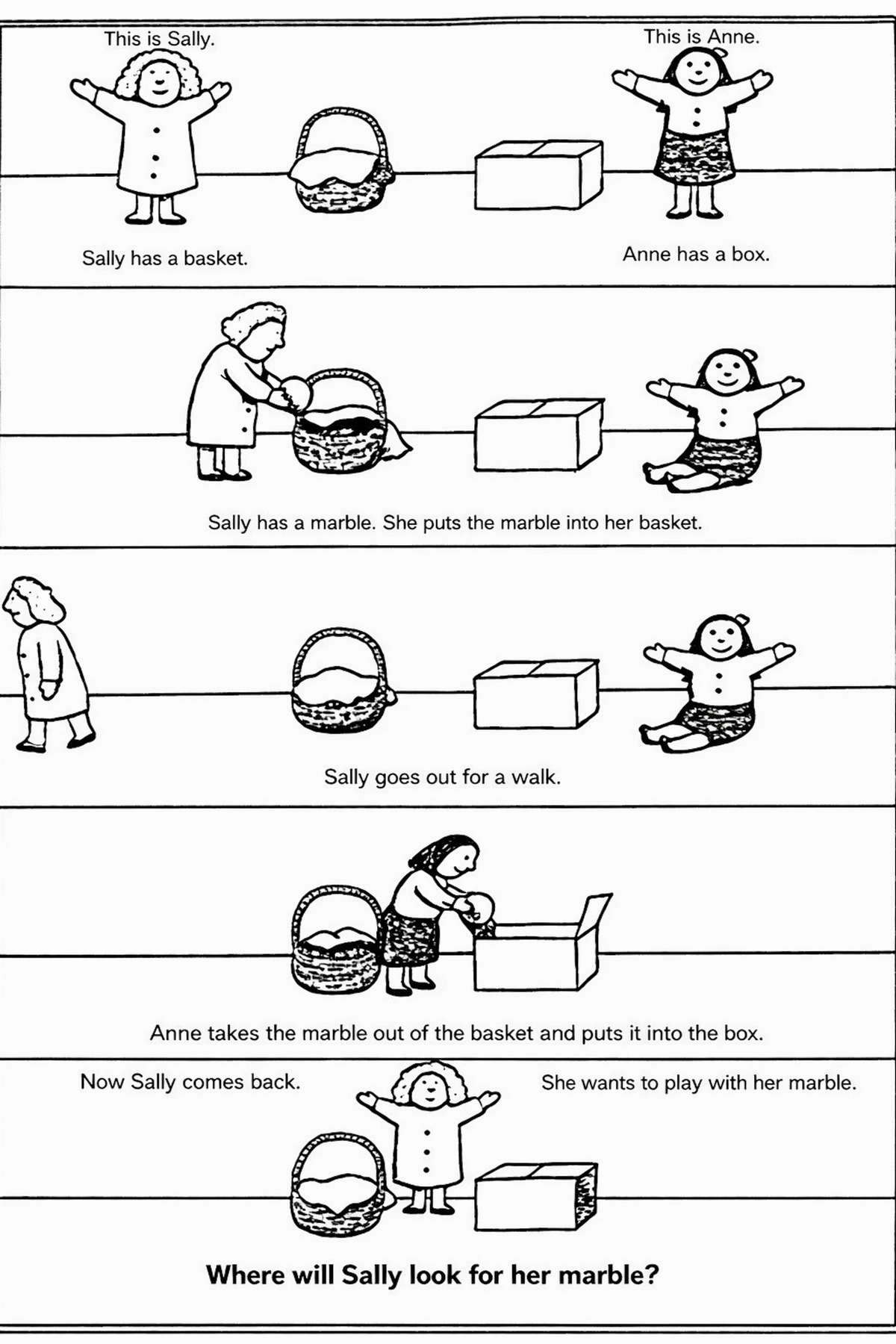
Theory Of Mind Is Wrong About Autistic People

For four decades, a controversial idea has shaped how autism is understood by researchers, healthcare...

Bacteroides Fragilis May Be A Fifth Columnist Helping Colon Cancer In Your Body

The gut bacterium Bacteroides fragilis has long presented researchers with a paradox. It has been...

Losing Weight Improves The Heartbreak Of Psoriasis For Some

For many people living with psoriasis, the red, scaly skin patches are only part of the story....

Healthcare In Space - The First Medical Evacuation From The ISS

For the first time in 25 years of continuous crewed operations, an astronaut has been medically...

User picture.
The ConversationRSS Feed of this column.

The Conversation is an independent source of news and views, funded by the academic and research community and delivered direct to the public. The Conversation launched in Australia in March 2011.... Read More »

Blogroll

More than 60% of traffic collisions at intersections involve left turns. Some U.S. cities – including San Francisco, Salt Lake City and Birmingham, Alabama – are restricting left turns.

Dr. Vikash Gayah, a professor of civil engineering at Penn State University and the interim director of the Larson Transportation Institute, discusses how left turns at intersections cause accidents, make traffic worse and use more gas.

How dangerous are left turns at intersections?

People dedicated to the art of grilling often choose lump charcoal – actual pieces of wood that have been turned into charcoal – over briquettes, which are compressed charcoal dust with other ingredients to keep the dust together and help it burn better.

The kinds of wood used to make lump charcoal affect how it burns and how the food tastes when grilled. Dedicated grillers are often willing to pay a premium for higher heat, no additives, particular flavors and the cleaner burn they get from particular wood species in lump charcoal.

Buyers probably expect the label to accurately report how much charcoal they are getting, what kind of wood it is, and where the wood was grown.

The U.S. Department of Energy’s decision to claw back US$3.7 billion in grants from industrial demonstration projects may create an unexpected opening for American manufacturing.

Today’s large language models (LLMs) process information across disciplines at unprecedented speed and are challenging higher education to rethink teaching, learning and disciplinary structures.

As AI tools disrupt conventional subject boundaries, educators face a dilemma: some seek to ban these tools, while others are seeking ways to embrace them in the classroom.

Both approaches risk missing a deeper transformation that was predicted 60 years ago by Canadian communication theorist Marshall McLuhan.

More and more people over the age of 50 are taking up physical exercise. Medical associations resoundingly agree that this is a good thing. Physical exercise is not only key to disease prevention, it is also a recommended part of treatment for many illnesses.

However, starting to move at this stage of life requires some care. This is especially true for those who have not previously been physically active, or for people who are overweight or obese.

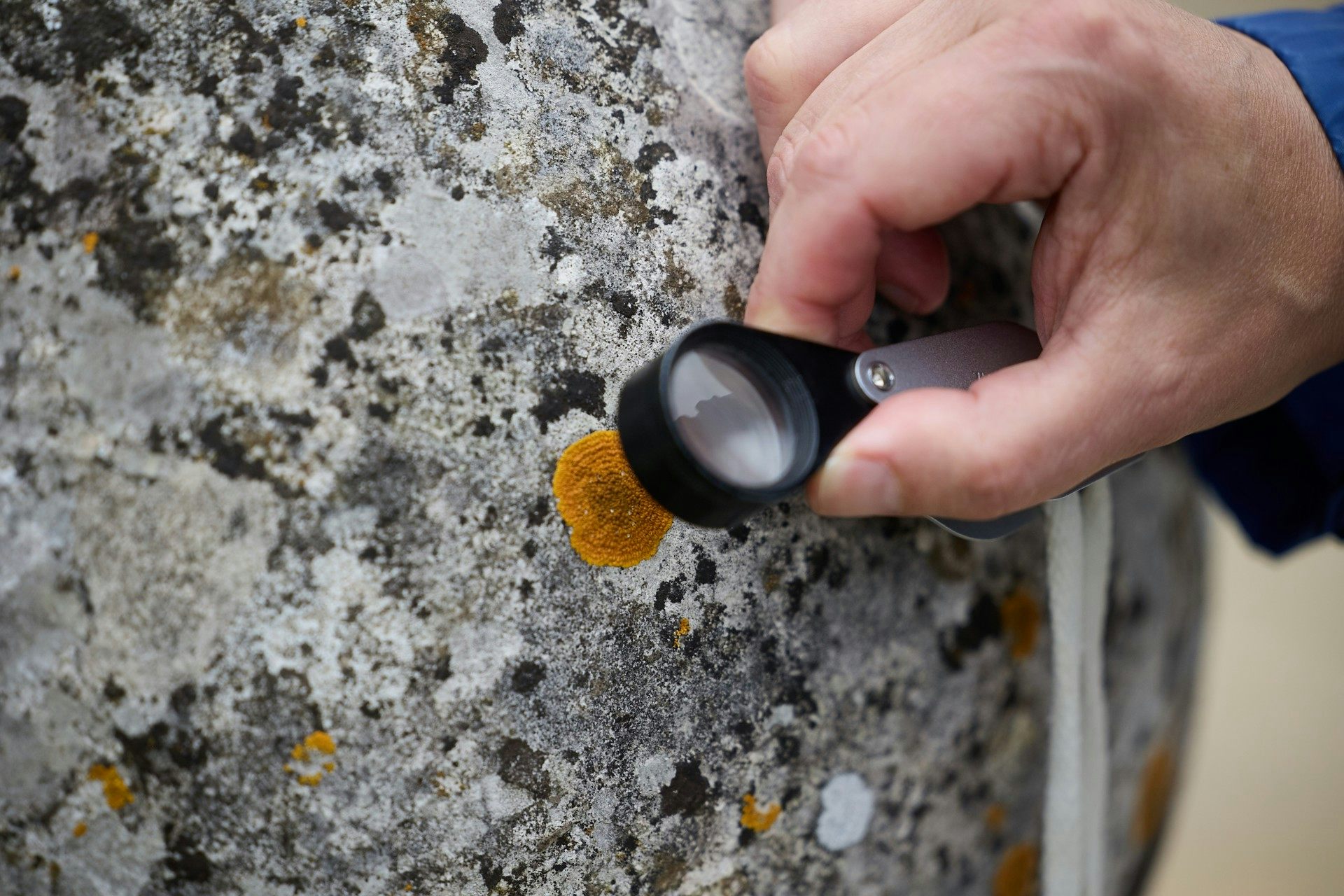
Lichens on stone, those “still explosions” as the great American poet Elizabeth Bishop named them, remain unseen to most, which is remarkable when you consider how commonplace they are. It seems these ecologically and culturally significant whatever-they-ares unfairly fall victim to something akin to plant blindness, a known phenomenon and tendency of people to overlook plants, which many of us – when we first encounter lichens – identify them as, even though that’s not what they are at all.