Fake Banner
Theory Of Mind Is Wrong About Autistic People

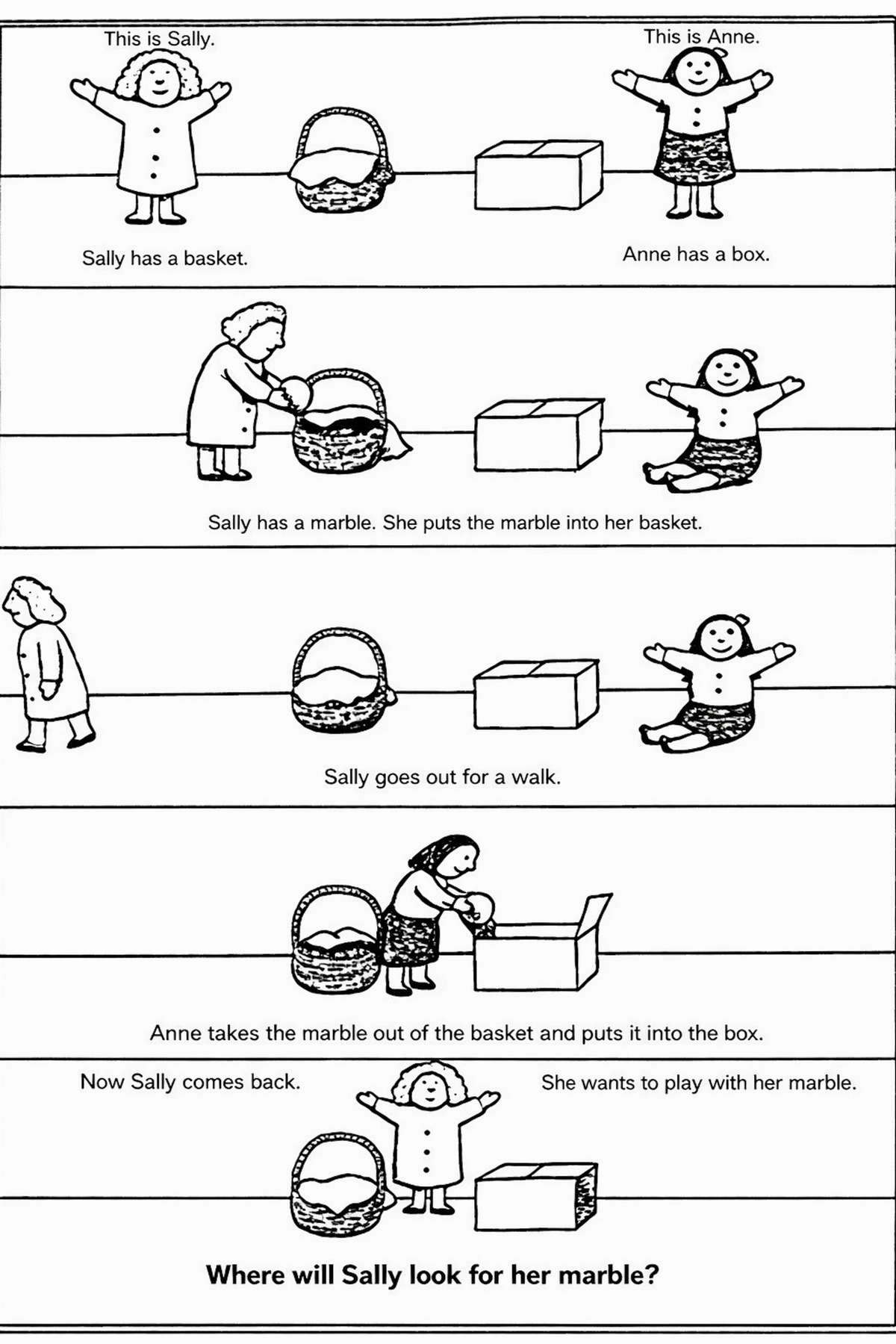
For four decades, a controversial idea has shaped how autism is understood by researchers, healthcare...

Bacteroides Fragilis May Be A Fifth Columnist Helping Colon Cancer In Your Body

The gut bacterium Bacteroides fragilis has long presented researchers with a paradox. It has been...

Losing Weight Improves The Heartbreak Of Psoriasis For Some

For many people living with psoriasis, the red, scaly skin patches are only part of the story....
Healthcare In Space - The First Medical Evacuation From The ISS

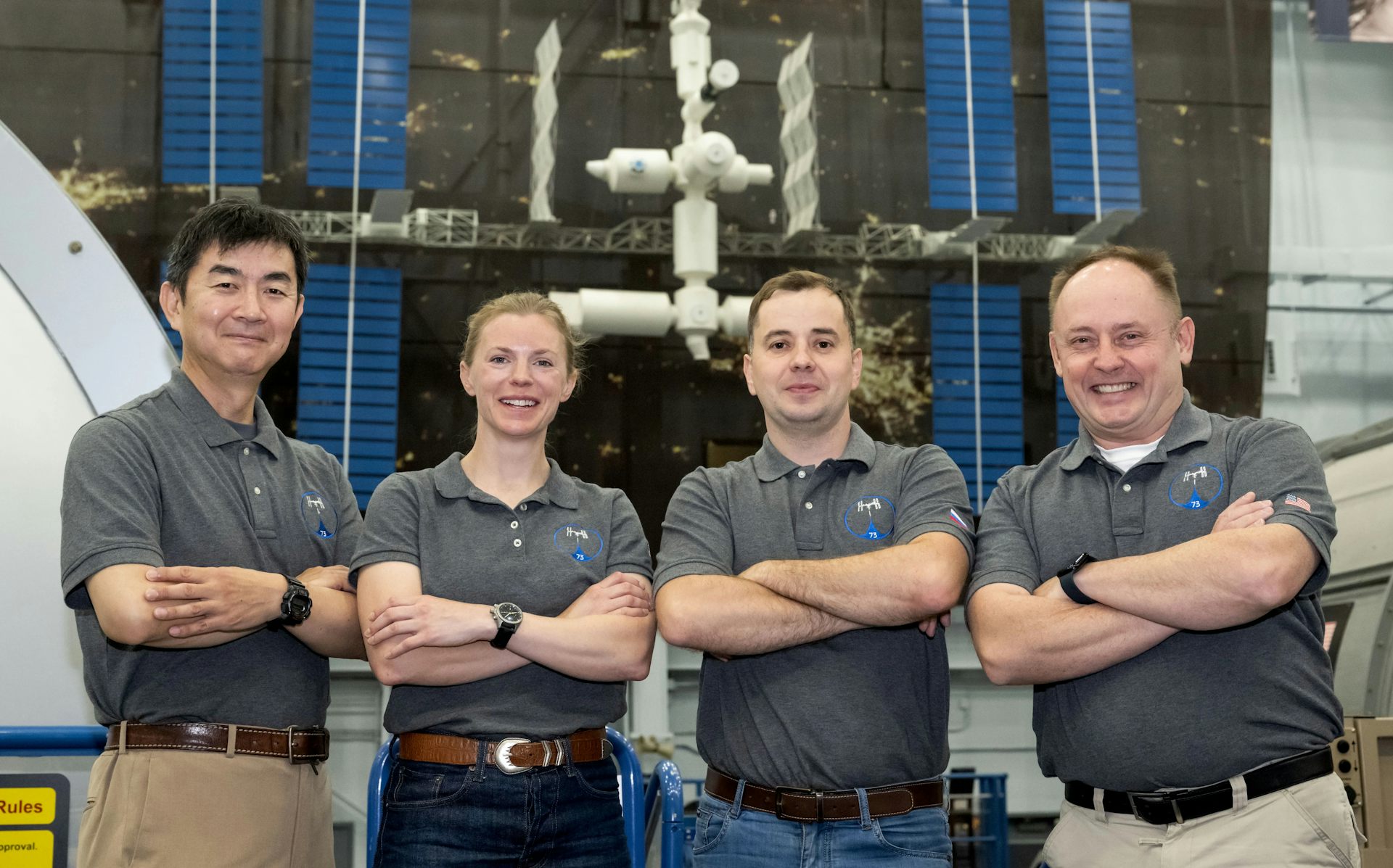
For the first time in 25 years of continuous crewed operations, an astronaut has been medically...

User picture.
The ConversationRSS Feed of this column.

The Conversation is an independent source of news and views, funded by the academic and research community and delivered direct to the public. The Conversation launched in Australia in March 2011.... Read More »

Blogroll
By Ladan Cockshut, Durham University

A few days ago, I was an astrophysicist and contributed to a research project by organizing sunspot images in order of complexity. After I’d had enough of that, I became a biochemist and worked late into the night on a project creating synthetic RNA.

Actually, I am not a scientist. Before yesterday I hadn’t really studied sunspots and I am still not entirely sure what RNA does. And yet, I was welcomed by the research team. It turns out they didn’t care about my lack of scientific knowledge. What they needed were my visual and gaming skills.

By Mark Beeson, Murdoch University

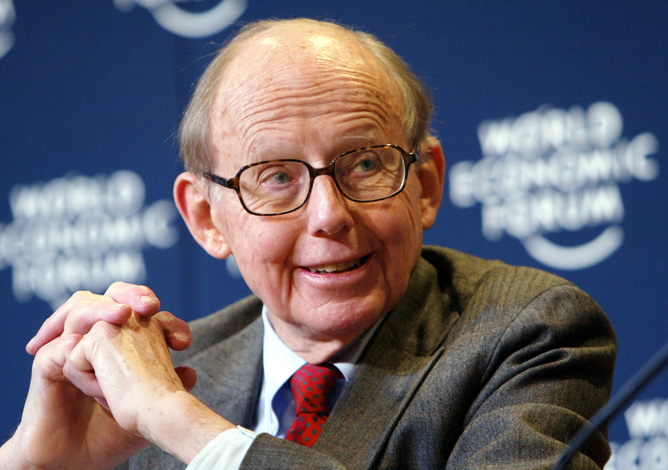
Like him or loathe him, the late Samuel Huntington was one of the towering figures in political science and international relations. Even those who disagreed with his ideas were forced to engage with them. He helped shape a number of key debates about areas as diverse as civil-military relations, political order, institutional development and the spread of democracy.

But if there is one ‘big idea’ for which he is likely to be remembered more than any other it is the now infamous claim that the future was going to be defined by a looming ‘clash of civilizations’.

By Raquel Vaquer-Sunyer, Lund University

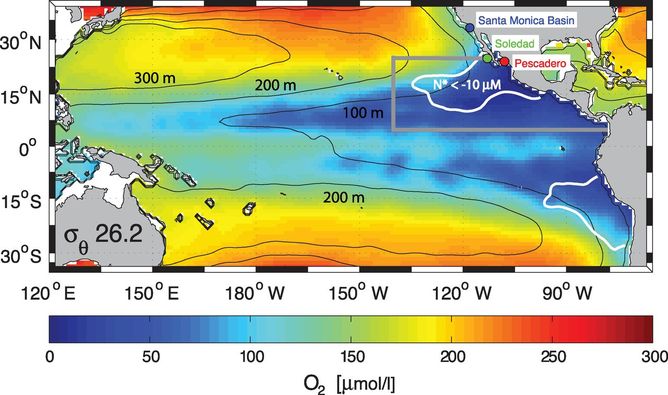
The world’s oceans are plagued with the problem of “dead zones”, areas of high nutrients (such as nitrogen and phosphorus) in which plankton blooms cause a major reduction of oxygen levels in the water. Sea creatures need oxygen to breathe just as we do, and if oxygen levels fall low enough marine animals can suffocate. This commonly happens around coastlines where fertilisers are washed from fields into rivers and the sea, but also mid-ocean, where currents trap waters in gyres (large systems of rotating ocean currents).

A 13th century bishop’s theory about the formation of the universe has intriguing parallels with the theory of multiple universes. This was uncovered by the the Ordered Universe project at Durham University, which has brought together researchers from humanities and the sciences in a radically collaborative way.