Fake Banner
Theory Of Mind Is Wrong About Autistic People

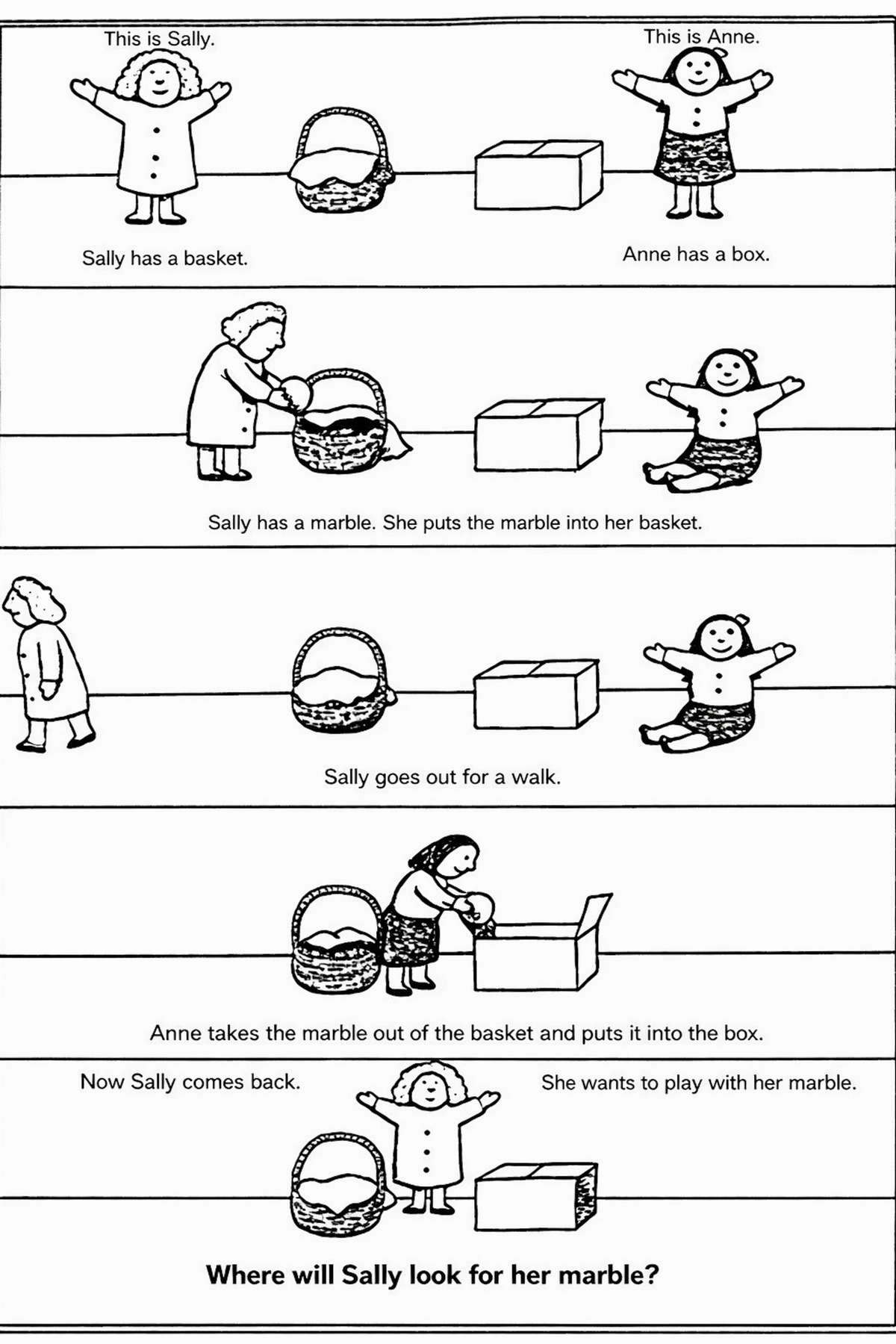
For four decades, a controversial idea has shaped how autism is understood by researchers, healthcare...

Bacteroides Fragilis May Be A Fifth Columnist Helping Colon Cancer In Your Body

The gut bacterium Bacteroides fragilis has long presented researchers with a paradox. It has been...

Losing Weight Improves The Heartbreak Of Psoriasis For Some

For many people living with psoriasis, the red, scaly skin patches are only part of the story....

Healthcare In Space - The First Medical Evacuation From The ISS

For the first time in 25 years of continuous crewed operations, an astronaut has been medically...

User picture.
The ConversationRSS Feed of this column.

The Conversation is an independent source of news and views, funded by the academic and research community and delivered direct to the public. The Conversation launched in Australia in March 2011.... Read More »

Blogroll


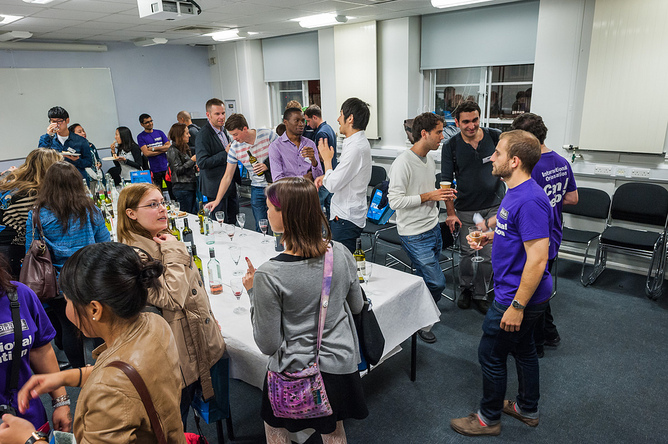
We come in peace. redgum, CC BY-NC-SA

By Seth Shostak, SETI Institute

By George Veletsianos, Royal Roads University

The belief that technology can automate education and replace teachers is pervasive. Framed in calls for greater efficiency, this belief is present in today’s educational innovations, reform endeavors, and technology products. We can do better than adopting this insipid perspective and aspire instead for a better future where innovations imagine creative new ways to organize education.


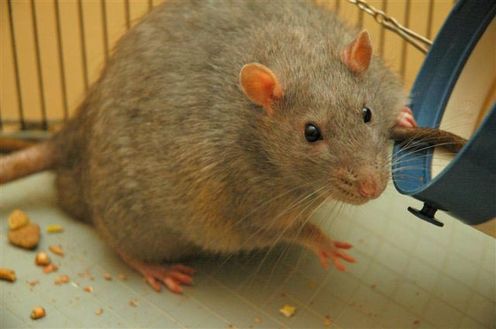
Supersize me: buffet edition. Joanna Servaes, CC BY-NC

By Aaron Blaisdell, University of California, Los Angeles


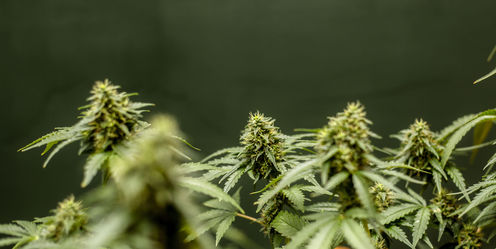
Somewhere in this much-incinerated plant lies valuable medicine: perhaps a treatment for cancer or an antidote to obesity.Prensa 420/Flickr, CC BY-NC

By David J. Allsop, University of Sydney and Iain S. McGregor, University of Sydney

Medicinal cannabis is back in the news again after a planned trial to grow it in Norfolk Island was blocked by the federal government last week. The media is ablaze with political rumblings and tales of public woe, but what does science have to say on the subject?


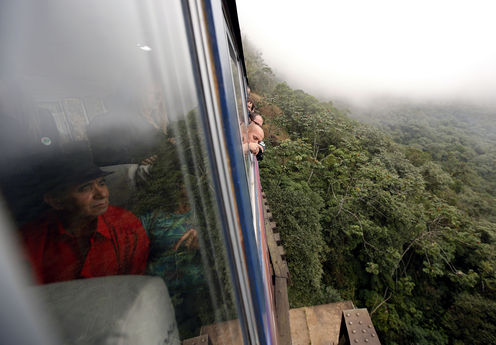
The Brazilian Atlantic forest is home to animals, birds, plants, and tourist trains. Credit: EPA

By Cristina Banks-Leite, Imperial College London

Brazil’s Atlantic forest – Mata Atlântica – is one of the world’s great biodiversity hotspots, rivalling even the Amazon. Running on and off for several thousand kilometres along the coast, the forest is home to 10,000 plant species that don’t exist anywhere else, more bird species than the whole of Europe, and more than half of the country’s threatened animal species.