Fake Banner
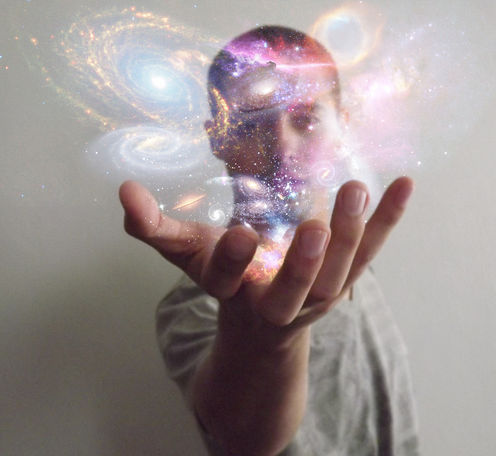
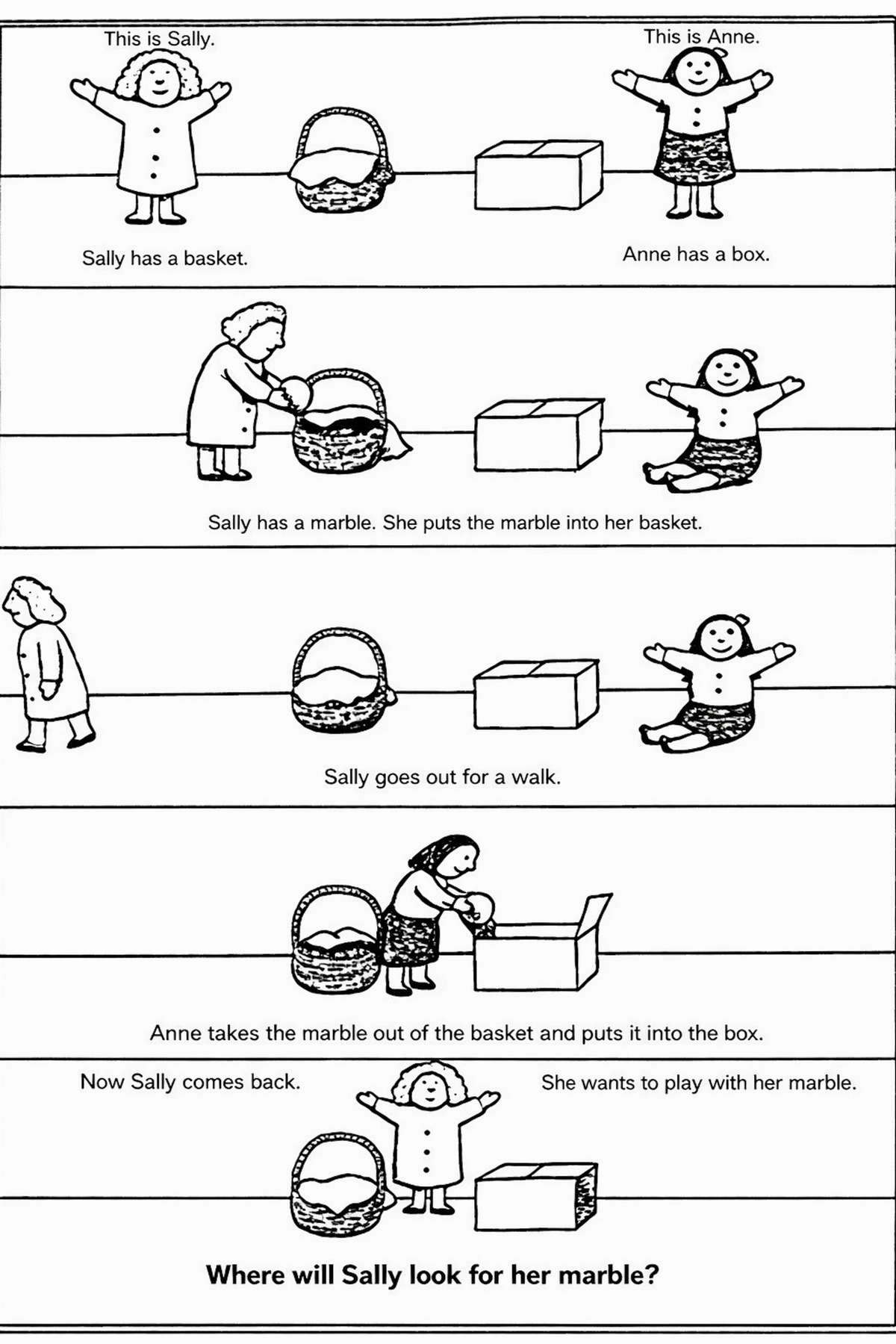
Theory Of Mind Is Wrong About Autistic People

For four decades, a controversial idea has shaped how autism is understood by researchers, healthcare...

Bacteroides Fragilis May Be A Fifth Columnist Helping Colon Cancer In Your Body

The gut bacterium Bacteroides fragilis has long presented researchers with a paradox. It has been...

Losing Weight Improves The Heartbreak Of Psoriasis For Some

For many people living with psoriasis, the red, scaly skin patches are only part of the story....
Healthcare In Space - The First Medical Evacuation From The ISS

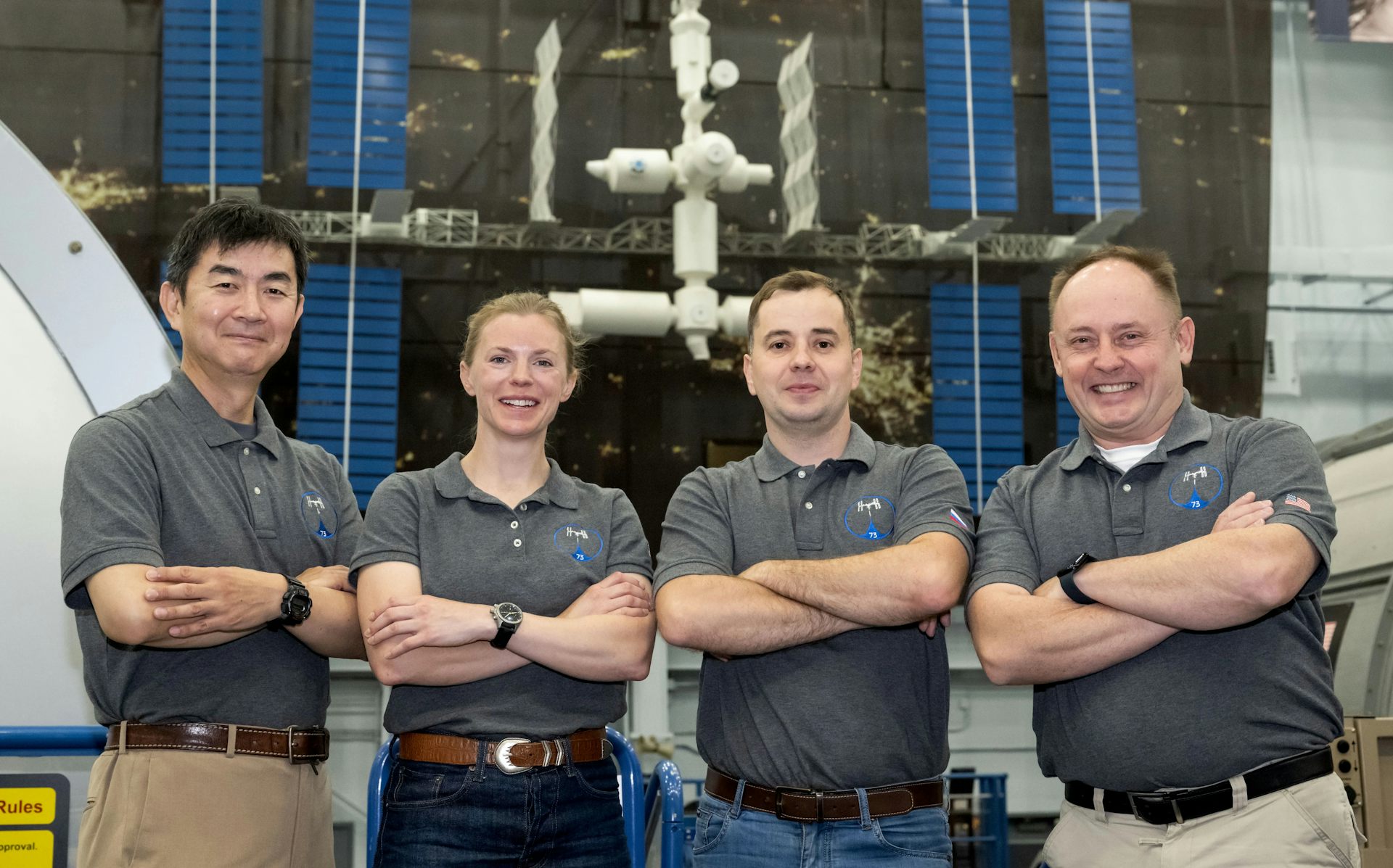
For the first time in 25 years of continuous crewed operations, an astronaut has been medically...

User picture.
The ConversationRSS Feed of this column.

The Conversation is an independent source of news and views, funded by the academic and research community and delivered direct to the public. The Conversation launched in Australia in March 2011.... Read More »

Blogroll

By Bryan Roche, National University of Ireland Maynooth

We’re getting more stupid. That’s one point made in a recent article in the New Scientist, reporting on a gradual decline in IQs in developed countries such as the UK, Australia and the Netherlands. Such research feeds into a long-held fascination with testing human intelligence. Yet such debates are too focused on IQ as a life-long trait that can’t be changed. Other research is beginning to show the opposite.


There are some massive galaxies out there, and we now know a little about their early life.Credit: Lauro Roger McAllister/Flickr, CC BY

By Edward Taylor, University of Melbourne

A piece of the galaxy formation puzzle may have fallen into place, thanks to a team of European and American astronomers peering into the depths of our early universe.


A key part of civilization? Credit: E Photos, CC BY-SA


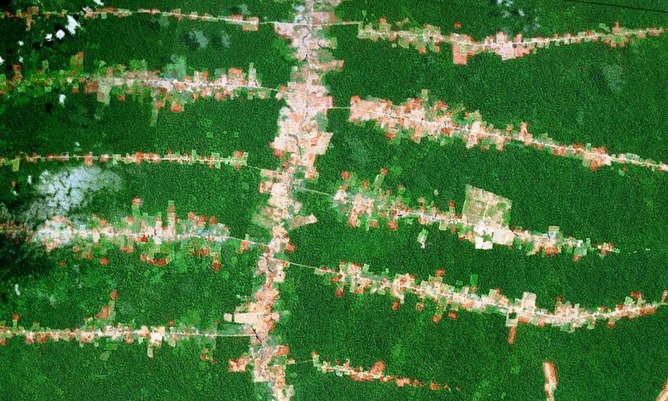
Deforestation along roads in Rondonia, Brazil. Source: Google Earth

By Bill Laurance, James Cook University

“The best thing you could do for the Amazon is to blow up all the roads.” These might sound like the words of an eco-terrorist, but it’s actually a direct quote from Professor Eneas Salati, a forest climatologist and one of Brazil’s most respected scientists.


As early as 2015 China’s use of thermal coal for electricity could peak. Bret Arnett/Flickr, CC BY-NC-SA

By James Whitmore, The Conversation


Allergic reactions to food have dramatically increased over the past 10 to 20 years. Dan Peled/AAP, CC BY

By Alexandra Miller, The Conversation and Reema Rattan, The Conversation

Changing the bacteria in the gut could treat and prevent life-threatening allergies, according to research published in the Proceedings of the National Academy of Sciences (PNAS) journal today.