




People in actual pain want medicine that works, not to smoke a placebo and watch "The Big Lebowski" again. Anxiety, depression, and other non-specific psychological issues bring less rigor because they are challenging to quantify. The chemicals cannabidiol (CBD) and delta-9-tetrahydrocannabinol (THC) made "gummies' wildly popular, but a systematic review and meta-analysis of 54 clinical trials covering 45 years has shown most of the health benefits are no different than any other supplement. They are placebo. More alarming than that, for people claiming they need it to get off other drugs, it actually made cravings for cocaine worse. Like people who associate watching movies with eating popcorn and struggle to watch movies while on a diet, marijuana seems to be linked to stronger drugs.
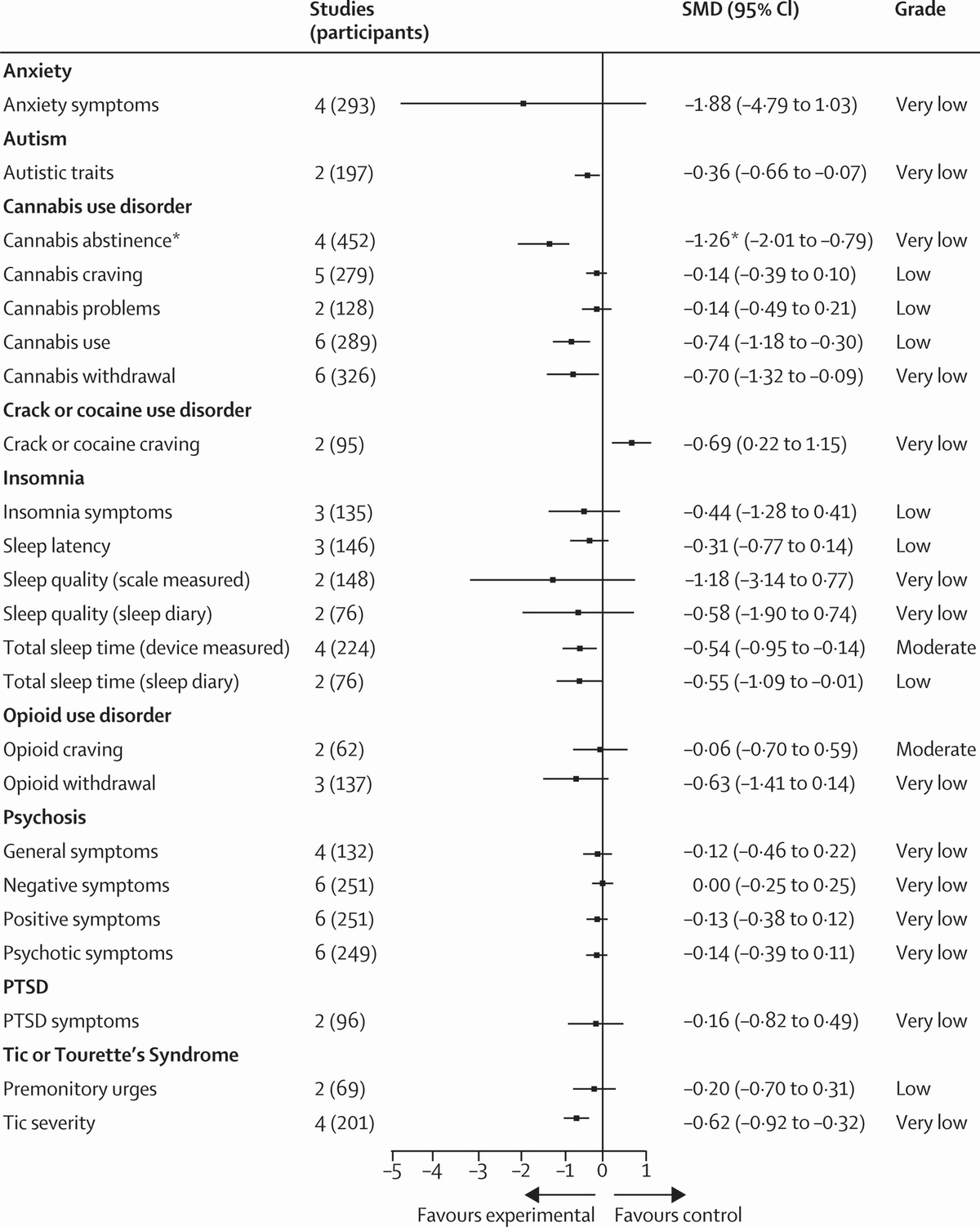
Efficacy of cannabinoids for the treatment of mental disorder and substance use disorder primary outcomes
It wasn't all bad news, but even the evidence for helping tics and Tourette's and the entire autism spectrum disorder was too low quality to be outside the COVID-19 pandemic 'powdered rhino horn cures COVID' category of belief. Worse than being placebo, though, is most people don't eat a gummy, they are smoking marijuana, which means they not only aren't medically benefiting, they are giving themselves cancer.
There is nothing wrong with a placebo if it helps you, but it's not medical. And if you don't like Science 2.0 debunking supplement and alternative medicine claims, you still have the New York Times. And you are not a donor anyway, so boycotting won't make a difference.
Placebo is the standard by which medicine is held against because some people are helped by placebos, but in studies sham (fake) acupuncture works as well as actual acupuncture, which is to say even fake acupuncture is as ineffective as the real thing. If new medical treatment works no better than acupuncture or cumin why pay for medicine? So if you believe gummies improve your mental health, go for it. Just don't be surprised when most doctors don't agree that's a substitute for science and are just giving you a prescription because they have no choice.
Citation: Jack Wilson, Olivia Dobson, Andrew Langcake, Palkesh Mishra, Zachary Bryant, Janni Leung, Danielle Dawson, Myfanwy Graham, Maree Teesson, Tom P Freeman, Wayne Hall, Gary C K Chan, Emily Stockings, 'The efficacy and safety of cannabinoids for the treatment of mental disorders and substance use disorders: a systematic review and meta-analysis', The Lancet Psychiatry, 2026; https://www.thelancet.com/journals/lanpsy/article/PIIS2215-0366(26)00015-5/fulltext




Comments