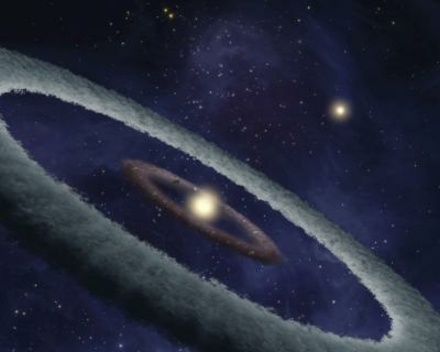
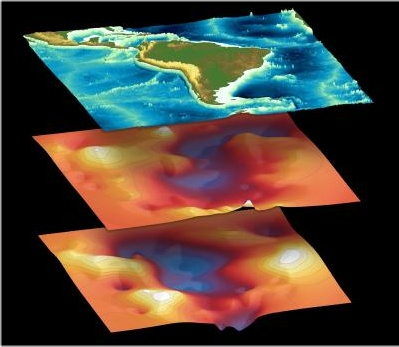
 A 900-Meter Clue Beneath The Granite: China’s Jinlin Crater Reshapes Our Understanding Of Holocene Impacts
For decades, scientists have assumed that the Holocene—the relatively quiet geological epoch...

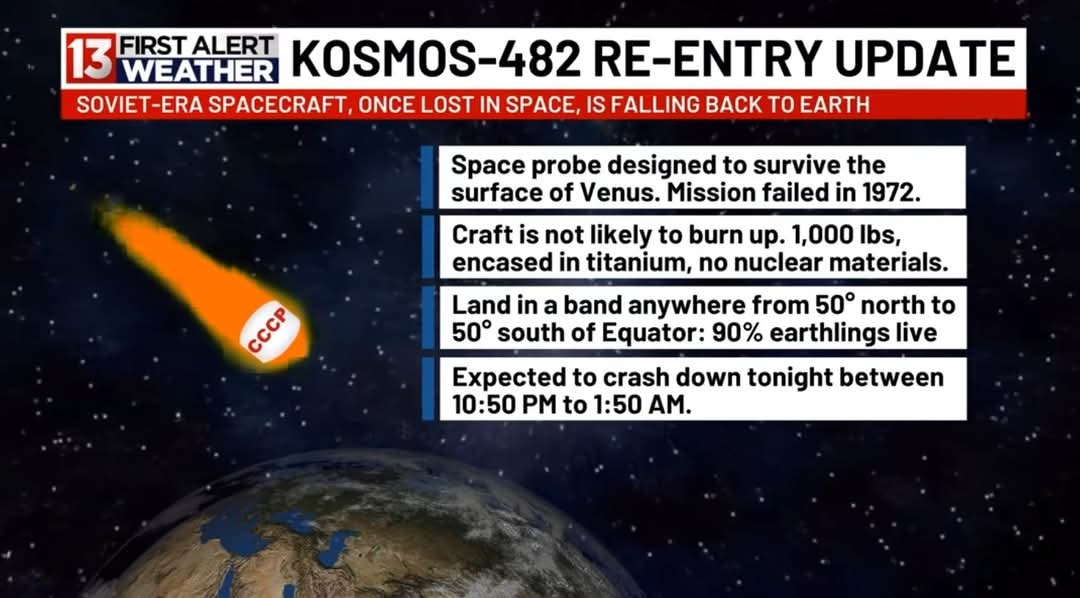 The 53-Year Odyssey Of Kosmos 482 And The Push For Sustainable Space
A Fallen Spacefarer Returns to Earth...
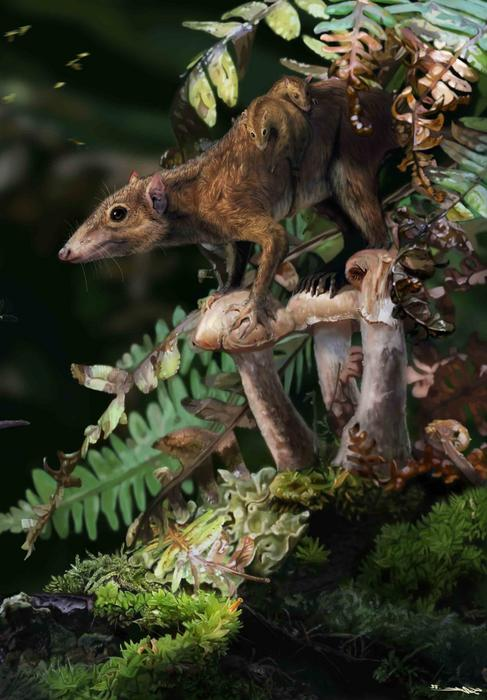 Mammals On The Ground Before The Dinosaurs Were Gone
For decades, natural history books have taught that when a catastrophic asteroid struck Earth...

|
Mark Pierce Retired geologist and earth scientist, specialising in ore deposits and isotope geochemistry. Before retirement, I led the Australian government's pre-competitive geoscience programs for minerals... Read More » |
Blogroll |