




A new study, published in Science, analyzed regulatory elements in the vertebrate genome and found three waves of evolutionary innovation in the evolution of vertebrates. Many important evolutionary changes have their roots in changes in regulatory elements, not necessarily in the occurrence of new protein-coding genes. So, it’s not the change in genes, but rather the change in gene regulation that spurred many events in vertebrate evolution.
Through computational methods, this new study searched for DNA sequences that remained the same in species that have diverged (so-called conserved sequences), and in doing so, the researchers identified millions of regulatory elements. Then, by comparing sequences of species whose evolutionary lineages diverged at different times, they were able to figure out when a particular conserved sequence first appeared.
Their findings provides an indication for three distinct phases in vertebrate evolution. Each phase is characterized by changes in certain biological processes. As most regulatory elements lie closely to the genes they govern, the researchers assigned each conserved element to the closest gene. After classifying the genes in broad categories, three waves of innovation can be discerned.
The first wave took place about 500 million years ago, and is, in addition to changes affecting developmental genes, distinguished by a great enrichment in transcription factors, which bind to DNA and regulate entire groups of genes (see figure 1).
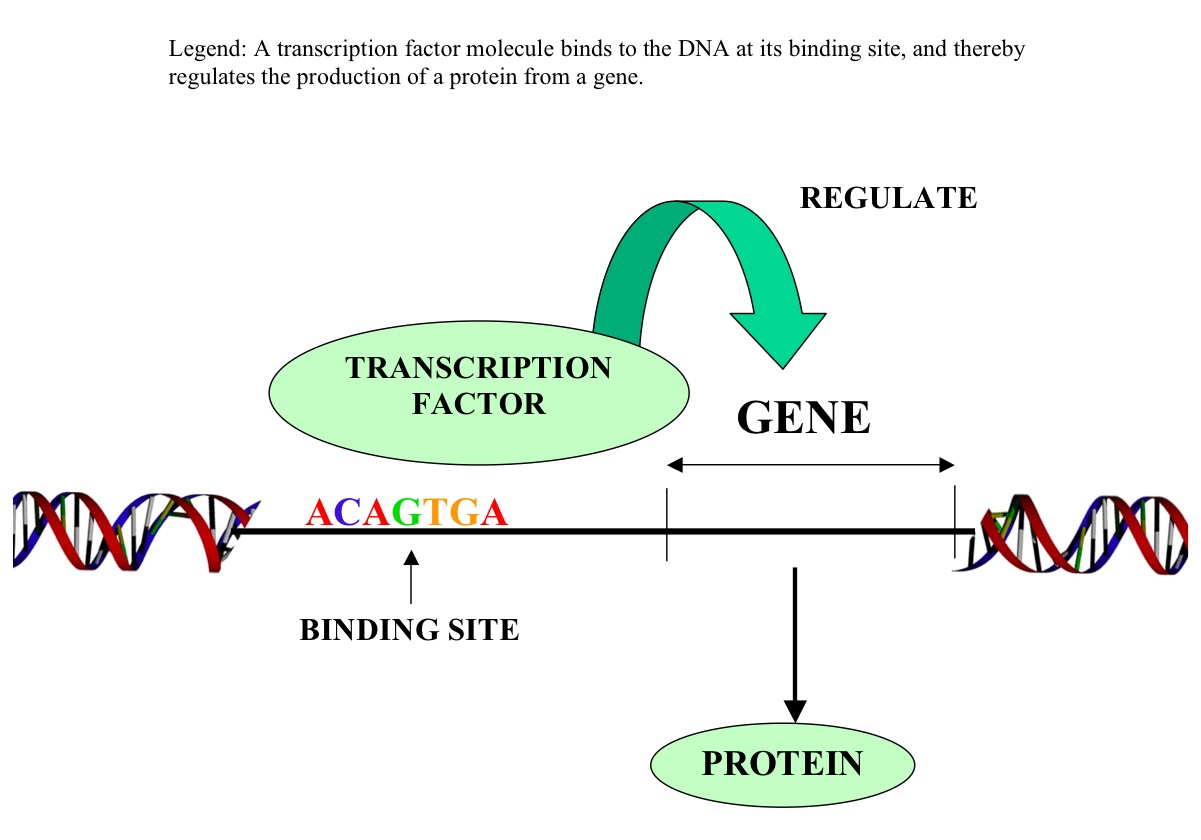
Figure 1: General illustration of transcription factor.
(Source: University of Illinois, The Sinha Lab)
The second wave involved genes that affect cell-to-cell communication, such as genes coding for receptor proteins that are located in the cell membrane and receive signals from other cells (see figure 2). These changes happened 300 to 100 million years ago, and happened independently in the lineage of fish and the lineage of animals with amniotic eggs (birds, reptiles and mammals).

Figure 2: General illustration of membrane receptor.
(Source: Wikimedia Commons, author: Laozhengzz)
The third wave occurred in placental mammals about 100 million years ago. Here, the innovations took effect in the signal pathways within cells, tweaking the complicated communication between the molecules that coordinate cellular activities.
In addition to this, the researchers also had a look at the development of body hair. Hundreds of genes are involved here, and many of those genes have been around for quite some time, but at about 250 million years ago, a peak in regulatory innovations concerning these genes was noticed.
Reference
Lowe, C.B.; Kellis, M.; Siepel, A.; Raney, B.J.; Clamp, M.; Salama, S.R.; Kinglsey, D.M.; Lindblad-Toh, K. and Haussler, D. (2011). Three Periods of Regulatory Innovation During Vertebrate Evolution. Science. 333(6045), pp. 1019 – 1024. Doi:10.1126/science.1202702.
University of California, Santa Cruz. University News.



Comments