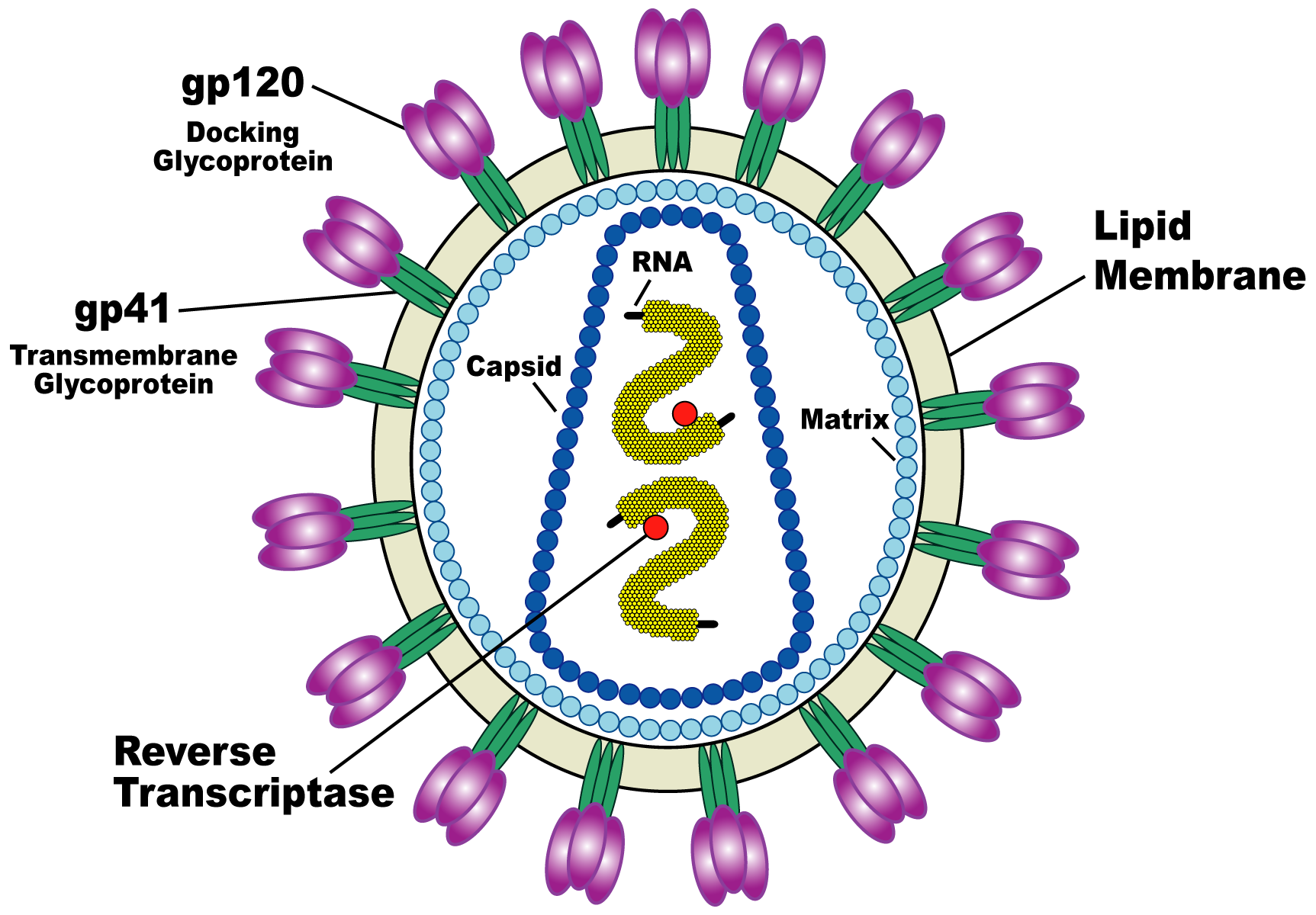
HIV/AIDS has left its mark on mankind. Millions of people have been lost to a disease that seems so uniquely designed to tear down our defenses and ruin us, the Barbarians to our Roman Empire. An almost unrivaled effort in the scientific community has been bent on cracking the code of HIV since the 1980’s, and although we have discovered much about the virus, and its action inside the body, we have yet to develop a vaccine or adequate long term treatment.
The difficulty with HIV is multifaceted, but there are a few that hinder our progress most significantly. HIV is a rapidly mutating virus, and therefore there are countless strains of HIV which makes one vaccine, with broad action protection, nearly impossible to formulate.
Although the theoretical applications for stem cell research are seemingly endless, the far-off possibilities are not as awe-inspiring as some scientists would like. Setbacks, ethical concerns and funding are all part of the hurdles that face all new scientific research, stem cell research especially. However, drastic results and benefits may be closer than previously thought.
We already have a war on drugs, a war on terror, and war against everything French (freedom fries anyone?) but our capacity for war is seemingly unlimited and the newest vendetta has targeted high BMIs. That's right, we're fighting a war on fat people and the soldiers have just added a new weapon to their arsenal.
Not only does obesity cause diabetes, heart diseases, stroke, cancers, depression, high blood pressure, asthma, arthritis, and urinary tract infections (i.e everything) but now obese people also cause global warming. If we could prove that obesity caused 9/11 and the AIDS epidemic, we would have found the root of all evil, hands down.
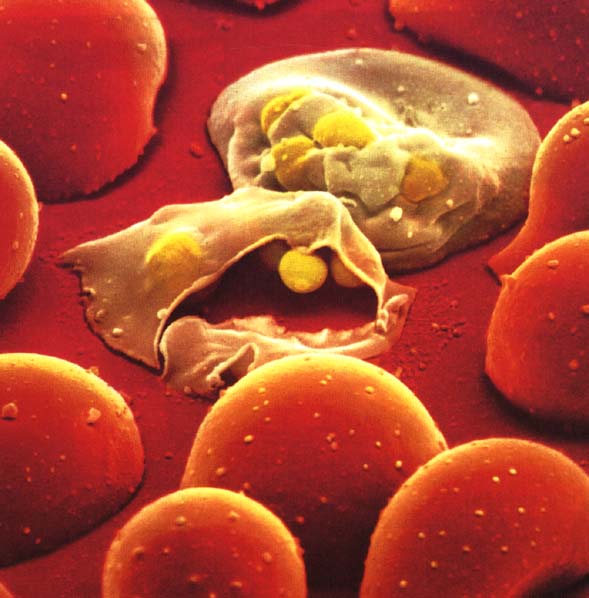
The death toll due to malaria outbreaks has reached over million lives every year with an additional 300-500 million people suffering illness from serious malaria infections. The growing pandemic and high mortality rate has caused renewed and fervent interest in creating an effective vaccine treatment for the prevention of malaria.
This interest has sparked physicians, scientists and pharmaceutical companies alike to race for the most cost-effective, efficient and overall viable vaccine against malaria.
There are currently multiple vaccines in various stages of trial and with various ranges of efficacy.
Following
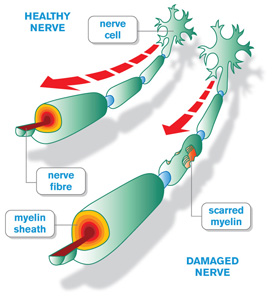
the positive outcomes of shorter studies done on Multiple Sclerosis (MS) drug Betaseron(R), continued testing also yields compelling results.
Analysis from a 16 year follow up study examining long term effects of Betaseron(R) on MS patients showed that early and continued treatment with Betaseron were more likely to avoid negative
clinical outcomes than MS patients on alternative treatment options.
We all know that we should eat our fruits and vegetables, but a new study suggests that they could also help prevent inflammation. According to a study conducted by researchers from UC Davis in cooperation with National Center for Food Safety and Technology in Illinois and Penn State University investigated the effects of certain tomato products and found some interesting results.
Scientists have grown increasingly interested in properties of tomatoes, as they contain the compound lyocpene, a powerful antioxidant, as well as vitamins A, C, fiber, potassium and beta-carotene. All of these nutrients do a body good, but tomatoes may also help stave off chronic conditions, aided by increased inflammation.