Banner
The Scorched Cherry Twig And Other Christmas Miracles Get A Science Look

Bleeding hosts and stigmatizations are the best-known medieval miracles but less known ones, like ...
$0.50 Pantoprazole For Stomach Bleeding In ICU Patients Could Save Families Thousands Of Dollars

The inexpensive medication pantoprazole prevents potentially serious stomach bleeding in critically...

Metformin Diabetes Drug Used Off-Label Also Reduces Irregular Heartbeats

Adults with atrial fibrillation (AFib) who are not diabetic but are overweight and took the diabetes...

Your Predator: Badlands Future - Optical Camouflage, Now Made By Bacteria

In the various 'Predator' films, the alien hunter can see across various spectra while enabling...

User picture.
News StaffRSS Feed of this column.

News Releases From All Over The World, Right To You... Read More »

Blogroll

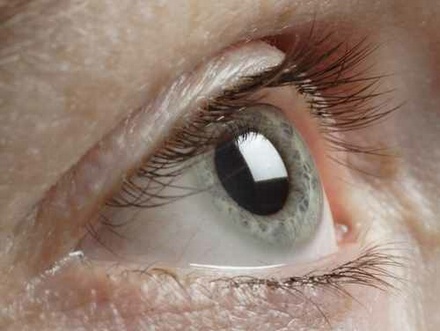
How does the human brain 'decodes' letters on a page to read a word?

Psychologists are trying to help neuroscientists unravel the subtle thinking mechanisms involved in reading, which could provide solutions for helping people who find it difficult to read, like dyslexics.

In order to read successfully, readers need not only to identify the letters in words, but also to accurately code the positions of those letters, so that they can distinguish words like CAT and ACT. At the same time, however, it's clear that raeders can dael wtih wodrs in wihch not all teh leettrs aer in thier corerct psotiions.

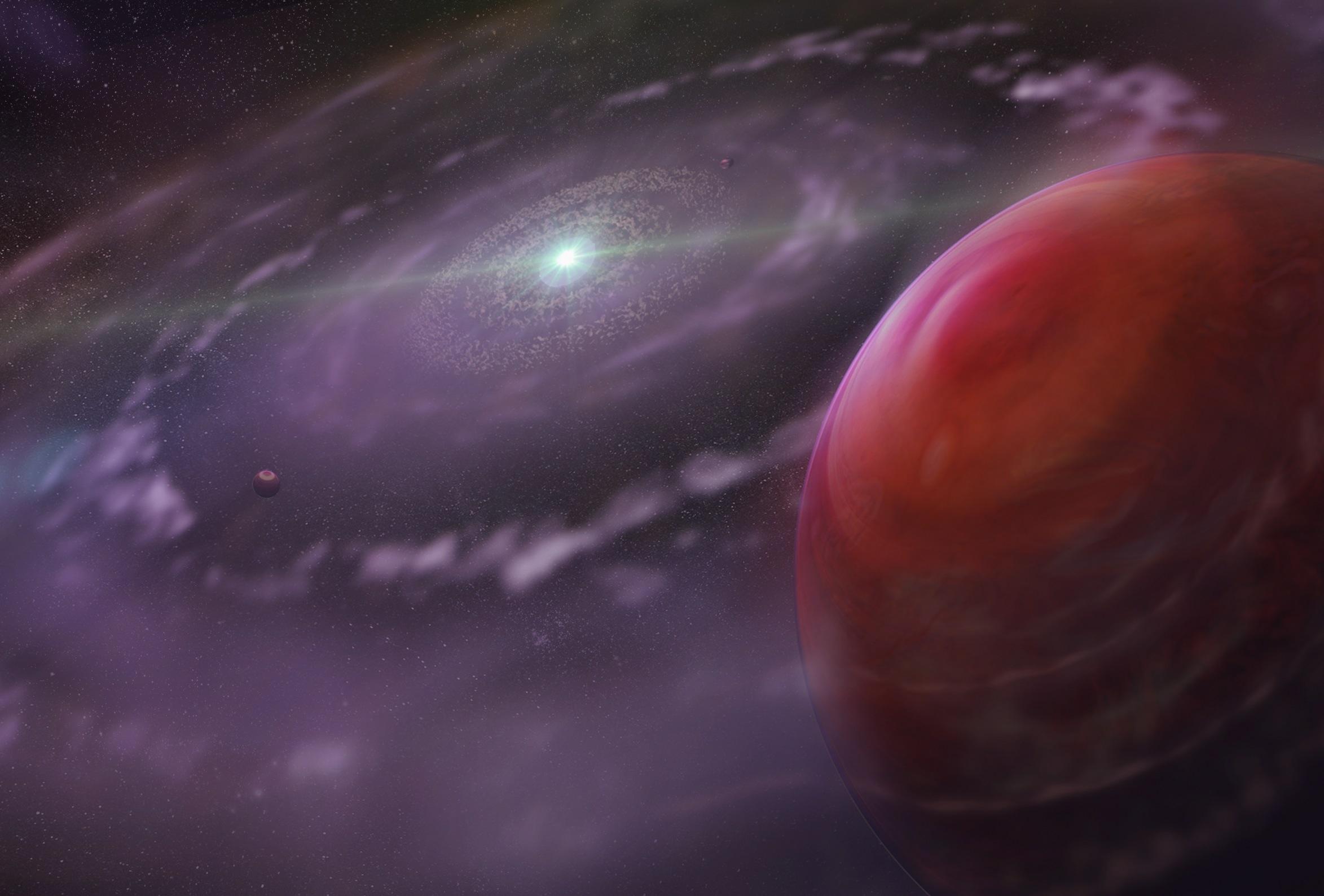
A team of international scientist has made the most detailed examination yet of the atmosphere of a Jupiter-size like planet beyond our solar system. 

Poverty and under-education dampen contraception use in Nepal but another factor may be more intractable: Deeply held cultural preferences for sons over daughters.

The cross-sectional study was based on data from the 2011 Nepal Demographic and Health Survey, which found that only one in five married adolescent and young women used modern contraception. Rates were lowest among women who resided in rural areas, lacked education or social status, were married as minors or had no sons.

Coffee may help lower your risk of having a stroke, especially if it is a regular part of your diet, according to research published in Stroke: Journal of the American Heart Association.

Green tea also, though it's unclear how green tea affects stroke risks. A compound group known as catechins may provide some protection. Catechins have an antioxidant anti-inflammatory effect, increasing plasma antioxidant capacity and anti-thrombogenic effects.  Some chemicals in coffee include chlorogenic acid, thus cutting stroke risks by lowering the chances of developing type 2 diabetes.

Terahertz (THz) radiation, in the electromagnetic spectrum between microwaves and infrared light, is rapidly finding important uses in medical diagnostics, security, and scientific research. 

But researchers are pursuing answers regarding potential human health risks. 

CITES today overruled objections from countries like Japan, China and India and listed five species of highly traded sharks under the CITES Appendices, along with both manta rays and one species of sawfish. 

Japan, India and Gambia challenged the Committee's desire to list the oceanic whitetip shark, while Grenada and China objected to listing three hammerhead species. 

Proponents of the various listing proposals include the USA, the EU, Australia, Brazil, Colombia, Comoros, Costa Rica, Croatia, Ecuador, Egypt, Honduras and Mexico. The shark and ray proposals received more than the two-thirds majority of votes necessary for adoption while the sawfish listing succeeded by consensus.