
Banner
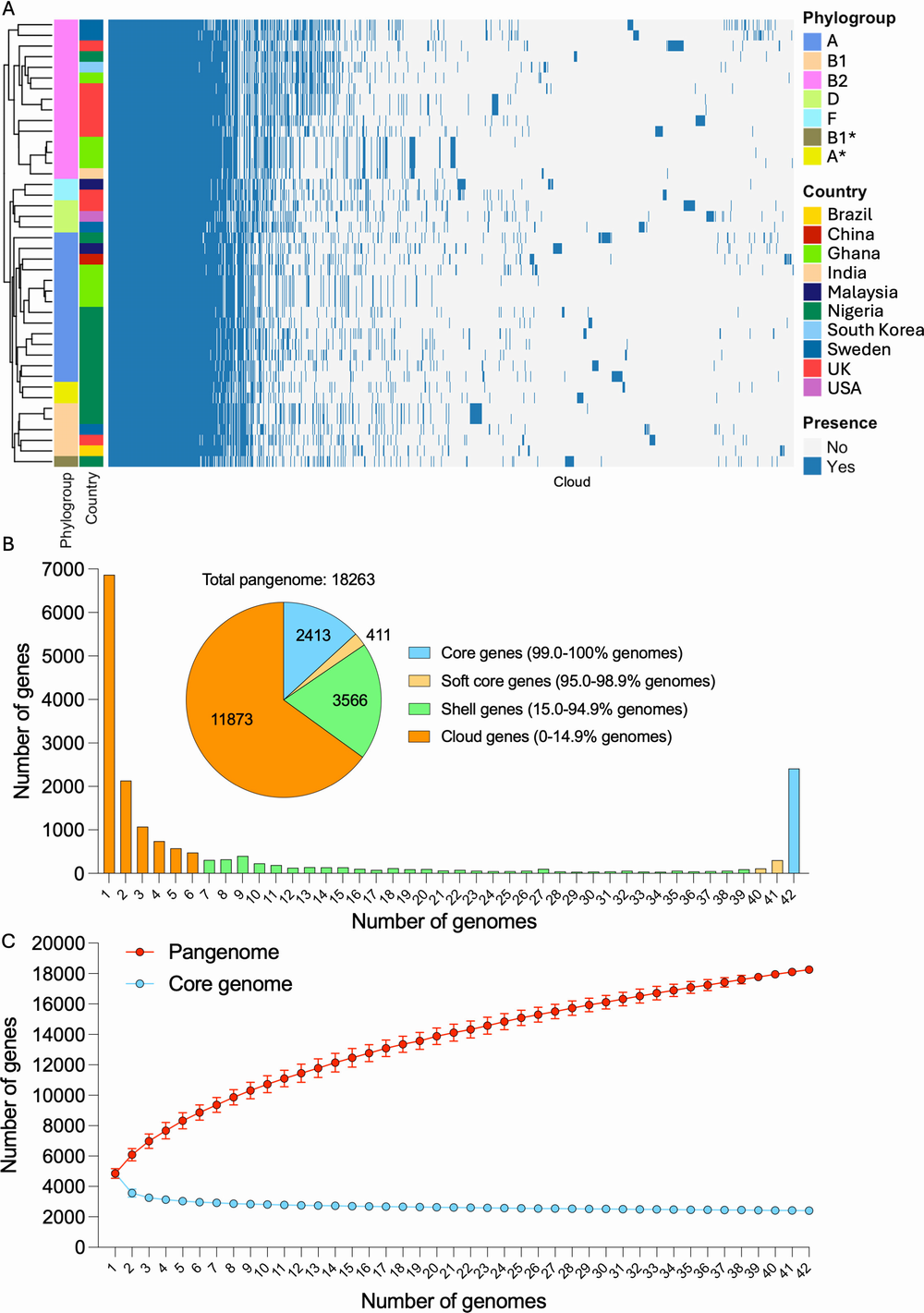
E. Coli Linked To Diabetic Foot Infections Gets Worldwide Analysis

Diabetic foot infections are a serious complications of diabetes and a leading cause of lower-limb...
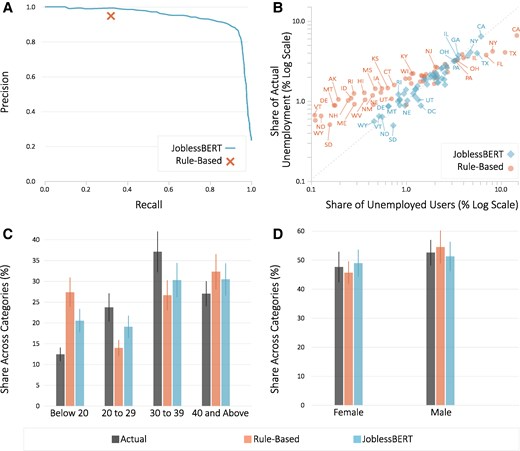
Social Media Is A Faster Source For Unemployment Data Than Government

Government unemployment data today are what Nielsen TV ratings were decades ago - a flawed metric...

Gestational Diabetes Up 36% In The Last Decade - But Black Women Are Healthiest

Gestational diabetes, a form of glucose intolerance during pregnancy, occurs primarily in women...
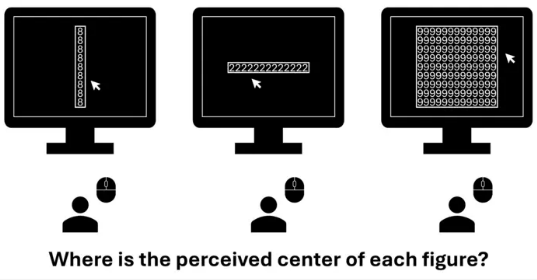
Object-Based Processing: Numbers Confuse How We Perceive Spaces

Researchers recently studied the relationship between numerical information in our vision, and...

User picture.
News StaffRSS Feed of this column.

News Releases From All Over The World, Right To You... Read More »

Blogroll

Primary care doctors are not quick to prescribe antihypertensive medication to young people even after an average of 20 months of high blood pressure. Young adults who are white, male, not on Medicaid and not frequent clinic visitors are especially less likely to receive medication. These are the results of a study¹ by a research team at the University of Wisconsin School of Medicine and Public Health in the United States led by Heather Johnson. It appears in the Journal of General Internal Medicine², published by Springer.

Bottle gourds traveled the Atlantic Ocean from Africa and were likely domesticated many times in various parts of the New World, according to a team of scientists who studied bottle gourd genetics to show they have an African, not Asian ancestry.

"Beginning in the 1950s we thought that bottle gourds floated across the ocean from Africa," said Logan Kistler, post-doctoral researcher in anthropology, Penn State. "However, a 2005 genetic study of gourds suggested an Asian origin."

Domesticated bottle gourds are ubiquitous around the world in tropical and temperate areas because, while they are edible when young, the mature fruit make ideal lightweight, waterproof, liquid-carrying vessels.

WASHINGTON D.C. Feb. 18, 2014 -- Understanding how antibodies work is important for designing new vaccines to fight infectious diseases and certain types of cancer and for treating disorders of the immune system in animals and humans.

In research to be presented at the 58th Annual Biophysical Society Meeting, taking place in San Francisco from Feb. 15-19, Dr. Damian Ekiert, who is now at the University of California, San Francisco, will describe research he conducted as part of a team of researchers from The Scripps Research Institute in La Jolla, Calif.

In San Francisco, Ekiert will explain how the immune systems of cows are used to understand the diversity of antibodies and how that knowledge could improve the health of both people and livestock.

WASHINGTON D.C. Feb. 18, 2014 -- Calico cats, renowned and beloved for their funky orange and black patchwork or "tortoiseshell" fur, can thank X chromosome inactivation or "silencing" for their unique look.

A team of University of California San Francisco (UCSF) researchers is striving to unlock the mystery of how one X chromosome can be rendered nearly completely inactive. They will present their latest results at the 58th Annual Biophysical Society Meeting, which takes place Feb. 15-19, 2014, in San Francisco, Calif.

WASHINGTON D.C. Feb. 18, 2014 -- To better understand the causes of male infertility, a team of Bay Area researchers is exploring the factors, both physiological and biochemical, that differentiate fertile sperm from infertile sperm. At the 58th Annual Biophysical Society Meeting, which takes place Feb. 15-19, 2014, in San Francisco, Calif., the team will present its work to identify and characterize proteins known as ion channels, which are crucial for sperm fertility and expressed within a sperm cell's plasma membrane.

RICHLAND, Wash. – Scientists have created a microbattery that packs twice the energy compared to current microbatteries used to monitor the movements of salmon through rivers in the Pacific Northwest and around the world.

The battery, a cylinder just slightly larger than a long grain of rice, is certainly not the world's smallest battery, as engineers have created batteries far tinier than the width of a human hair. But those smaller batteries don't hold enough energy to power acoustic fish tags. The new battery is small enough to be injected into an organism and holds much more energy than similar-sized batteries.

