Banner
E. Coli Linked To Diabetic Foot Infections Gets Worldwide Analysis

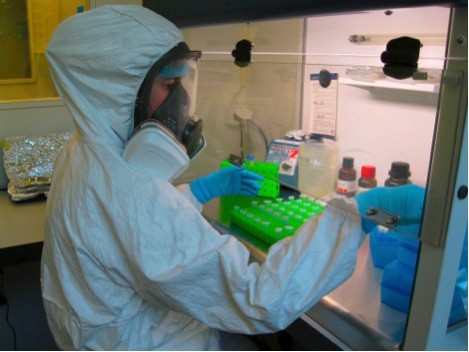
Diabetic foot infections are a serious complications of diabetes and a leading cause of lower-limb...
Social Media Is A Faster Source For Unemployment Data Than Government

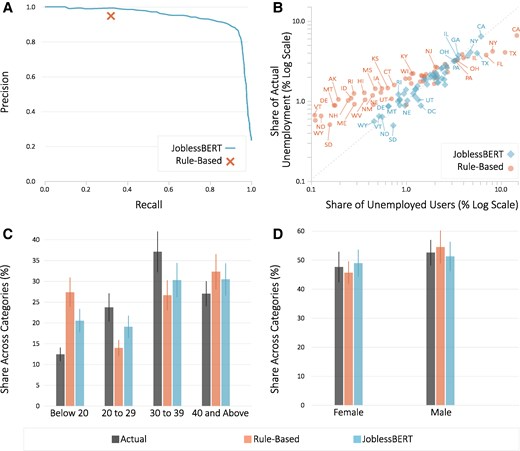
Government unemployment data today are what Nielsen TV ratings were decades ago - a flawed metric...

Gestational Diabetes Up 36% In The Last Decade - But Black Women Are Healthiest

Gestational diabetes, a form of glucose intolerance during pregnancy, occurs primarily in women...
Object-Based Processing: Numbers Confuse How We Perceive Spaces

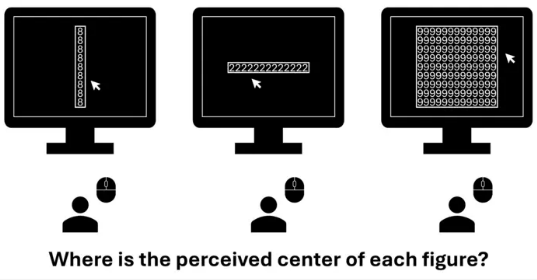
Researchers recently studied the relationship between numerical information in our vision, and...

User picture.
News StaffRSS Feed of this column.

News Releases From All Over The World, Right To You... Read More »

Blogroll
Anyone who has had to deal with Hospice for a loved one has to been impressed with the level of compassion and concern and caring they bring.

But they are not all the same, and a paper in JAMA Internal Medicine finds a way to create a little bit of class warfare about that.

Eating is a biological necessity that became a communal activity. If you have gotten used to eating popcorn at the movies with your family, you either have to avoid going to the movies or have the willpower to say no to the popcorn.

Not everyone can do it. The presence of friends, late night cravings or alcohol can make dieting difficult too. Research led by University of Birmingham sport and exercise scholar Heather McKee monitored the social and environmental factors that make people, who are following weight management programs, cheat. 

Researchers say they have cleared up one aspect of how our bowels move that has mystified scientists for, well, forever. 

It isn't all unknown. Segmentation motor activity in the gut that enables absorption of nutrients was described in the late 1800s. But now gastroenterologist Jan Huizinga and a team have learned that of the two types of movement, segmentation motion occurs when not one but two sets of pacemakers interact with each other to create a specific rhythm.

They then work together with nerves and muscle to generate the movement that allows for nutrient absorption. The other type of movement moves the food along.

Periodontal disease occurs in 13 percent of humans today. Why are humans even susceptible to periodontal disease, when most animals do not get periodontal disease? Is it human behavior or something else that contributes to chronic inflammatory disease in humans?

It can't be modern living or dental hygiene. The inflammatory disease-causing bacteria has been found in a Medieval German population, by analyzing the dental calculus - plaque - from teeth preserved for 1,000 years.

The Byzantine Empire arose after the death of the Roman Emperor Constantine. To make the empire more manageable, it was split into eastern and western halves, with Rome as the seat of the west and Constantinople as the capitol of the east. Unlike Rome of the time, the Byzantine Empire coupled military might and the religious authority of the Church.

When the Roman Empire collapsed and led Europe into the Dark Ages, the Byzantine Empire continued on and it continued to modernize. You don't last for a thousand years, including holding off Muslim invaders for much of that time, without doing some things right. They finally collapsed in 1453, when Constantinople was captured by Turks. It is known as Istanbul today.
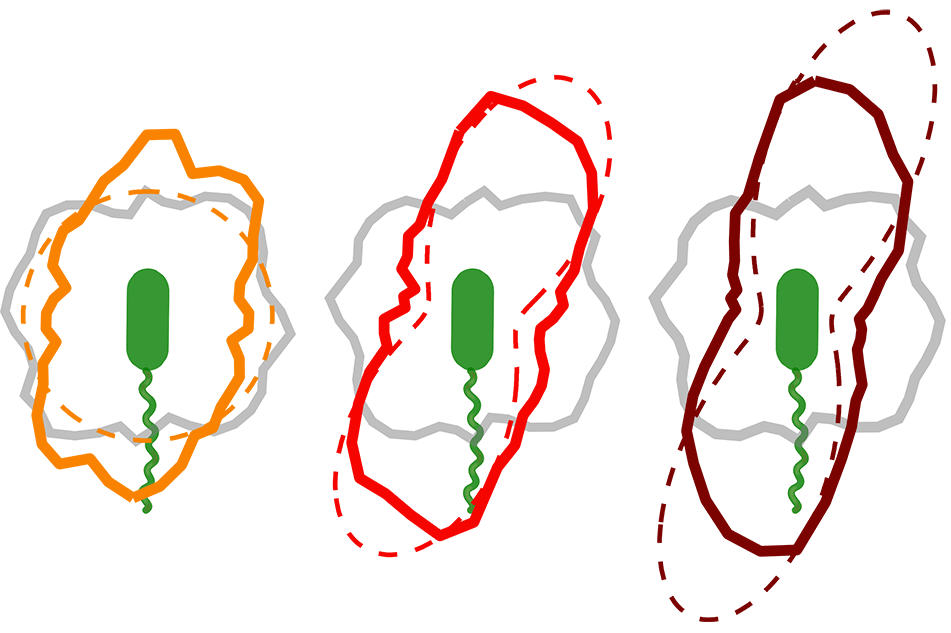
A new study finds that bacterial movement is impeded in flowing water, enhancing the likelihood that the microbes will attach to surfaces, which sheds some new light on how infections take hold in medical devices.

The findings were the result of microscopic analysis of bacteria inside microfluidic devices and combined experimental observations with mathematical modeling. The study showed that the flow of liquid can have two significant effects on microbes: “It quenches the ability of microbes to chase food,” says co-author Roman Stocker, an assitant professor of civil engineering at MIT, “and it helps microbes find surfaces.”