
Banner
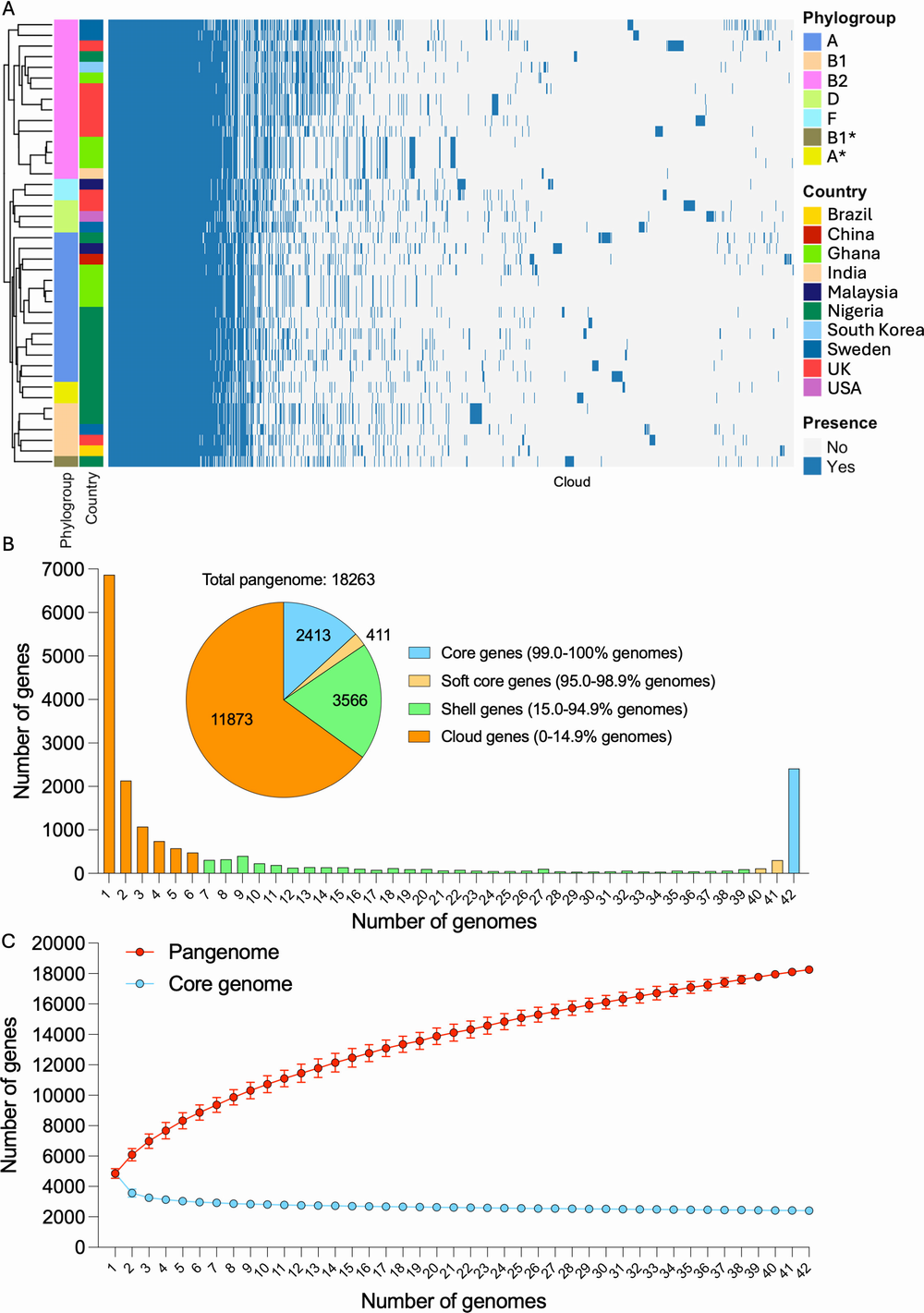
E. Coli Linked To Diabetic Foot Infections Gets Worldwide Analysis

Diabetic foot infections are a serious complications of diabetes and a leading cause of lower-limb...
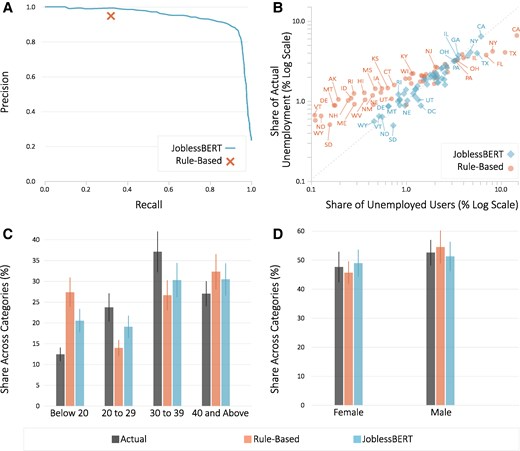
Social Media Is A Faster Source For Unemployment Data Than Government

Government unemployment data today are what Nielsen TV ratings were decades ago - a flawed metric...

Gestational Diabetes Up 36% In The Last Decade - But Black Women Are Healthiest

Gestational diabetes, a form of glucose intolerance during pregnancy, occurs primarily in women...
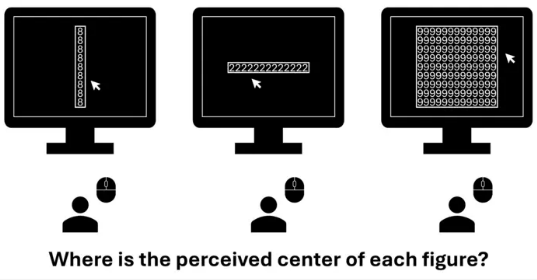
Object-Based Processing: Numbers Confuse How We Perceive Spaces

Researchers recently studied the relationship between numerical information in our vision, and...

User picture.
News StaffRSS Feed of this column.

News Releases From All Over The World, Right To You... Read More »

Blogroll

McDonald's new advertising campaign to promote high-level career opportunities within the company is a great way to fight the connotation of dead-end drudgery and low wages that comes with "McJobs," according to Jerry M. Newman, SUNY Distinguished Teaching Professor in the University at Buffalo School of Management.

Having worked undercover at seven fast-food restaurants across the United States, including McDonald's, Burger King and Wendy's, Newman, author of "My Secret Life on the McJob," says that McDonald's has the right idea in its newest television commercial.

The spot features Karen King, president of McDonald's USA East Division, extolling the virtues of the high schooler who gets a job at McDonald's, working hard and taking advantage of opportunities.

Shire plc today announced that VYVANSE™ (lisdexamfetamine dimesylate) effectively controlled Attention-Deficit/Hyperactivity Disorder (ADHD) symptoms in children aged 6 to 12 years. In addition, 95 percent of children taking VYVANSE daily for 12 months showed overall improvement, according to phase III open-label extension trial results. Further analysis of phase II clinical data demonstrated that VYVANSE provided consistent time to maximum concentration of d-amphetamine from patient to patient. Both studies were presented today at the annual meeting of the American Psychiatric Association (APA).

Thymic nurse cells were given their name because of their intimate relationship with developing T cells (thymocytes) in the thymus.

Thymic nurse cells have been reported to take as many as 50 thymocytes into their cell body (see thymocytes inside of a thymic nurse cell in photos, the blue dye stains the nuclei of thymocytes inside of a nurse cell). Whether or not thymic nurse cells have the capacity to "internalize" another cell into itself, and the function of this unique biological phenomenon during T cell development is the focus of studies performed by Dr. Guyden at The City College of New York and his colleagues at Tuskegee University.


Thymocytes inside of a thymic nurse cell.

Regulatory oversight of nanotechnology is urgently needed and the Environmental Protection Agency (EPA) should act now, reports a new study released today. In EPA and Nanotechnology: Oversight for the 21st Century, former EPA assistant administrator for policy, planning and evaluation, J. Clarence (Terry) Davies, provides a roadmap for a new EPA to better handle the challenges of nanotechnology. New nanomaterials and nanotechnology products are entering the market each week, and an adequate oversight system is necessary to identify and minimize any adverse effects of nano materials and products on health or the environment.

The hydrogen economy is not a futuristic concept. The U.S. Department of Energy's 2006 Advance Energy Initiative calls for competitive ethanol from plant sources by 2012 and a good selection of hydrogen-powered fuel cell vehicles by 2020.

Researchers at Virginia Tech, Oak Ridge National Laboratory (ORNL), and the University of Georgia propose using polysaccharides, or sugary carbohydrates, from biomass to directly produce low-cost hydrogen for the new hydrogen economy.

Nature, through the trial and error of evolution, has discovered a vast diversity of life from what can only presumed to have been a primordial pool of building blocks.

Inspired by this success, a new Biodesign Institute research team, led by John Chaput, is now trying to mimic the process of Darwinian evolution in the laboratory by evolving new proteins from scratch. Using new tricks of molecular biology, Chaput and co-workers have evolved several new proteins in a fraction of the 3 billion years it took nature.


The three-dimensional structure (ribbon diagram) of protein DX as a crystallogrpahic dimer.




