Banner
Object-Based Processing: Numbers Confuse How We Perceive Spaces

Researchers recently studied the relationship between numerical information in our vision, and...

Males Are Genetically Wired To Beg Females For Food

Bees have the reputation of being incredibly organized and spending their days making sure our...

The Scorched Cherry Twig And Other Christmas Miracles Get A Science Look

Bleeding hosts and stigmatizations are the best-known medieval miracles but less known ones, like ...
$0.50 Pantoprazole For Stomach Bleeding In ICU Patients Could Save Families Thousands Of Dollars

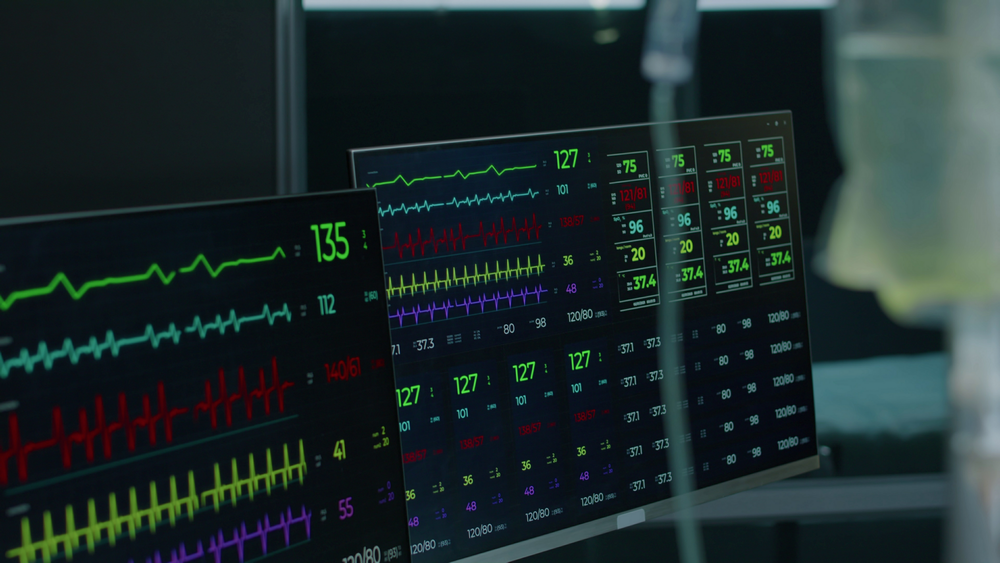
The inexpensive medication pantoprazole prevents potentially serious stomach bleeding in critically...

User picture.
News StaffRSS Feed of this column.

News Releases From All Over The World, Right To You... Read More »

Blogroll

Digital atlases of the brains of humans, monkeys, dogs, cats, mice, birds and other animals have been created and posted online by researchers at the UC Davis Center for Neuroscience.

BrainMaps.org features the highest resolution whole-brain atlases ever constructed, with over 50 terabytes of brain image data directly accessible online. Users can explore the brains of humans and a variety of other species at an unprecedented level of detail, from a broad view of the brain to the fine details of nerves and connections. The website also includes a suite of free, downloadable tools for navigating and analyzing brain data.

Scientists were startled when they discovered in 2004 that the center of our galaxy is emitting gamma rays with energies in the tens of trillions of electronvolts.

Now astrophysicists at The University of Arizona, Los Alamos National Laboratory and the University of Adelaide (Australia) have discovered a mechanism that might produce these high-energy gamma rays.

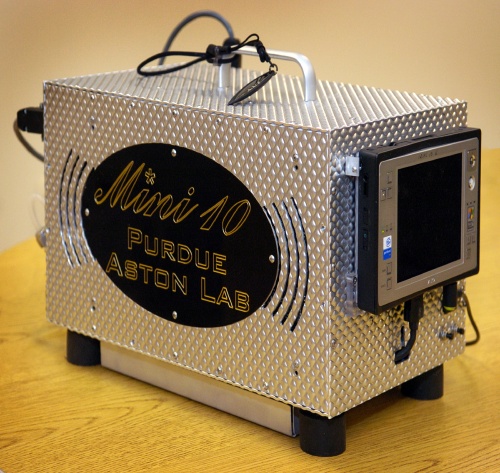
Purdue University researchers have created a handheld sensing system its creators liken to Star Trek's "tricorder" used to analyze the chemical components of alien worlds. But the system could have down-to-earth applications, such as testing foods for dangerous bacterial contaminants including salmonella, which was recently found in a popular brand of peanut butter.

Using a variety of new approaches, scientists at Scripps Institution of Oceanography at UC San Diego are forging a new understanding of the largest mammals on Earth.

In one recently published study on blue whales, Scripps researchers used a combination of techniques to show for the first time that blue whale calls can be tied to specific behavior and gender classifications.

Mayo Clinic researchers have safely transplanted cardiac preprogrammed embryonic stem cells into diseased hearts of mice successfully regenerating infarcted heart muscle without precipitating the growth of a cancerous tumor -- which, so far, has impeded successful translation into practice of embryonic stem cell research.

The Mayo study is the first known report establishing a successful, tumor-resistant approach to growing new heart tissue from an embryonic stem cell source. The study is published in the February issue of the Journal of Experimental Medicine.

Embryonic stem cells have the potential to become any cell type in the body. But directing the stem cells to regenerate targeted tissue is a process that hasn’t yet been perfected.