
Banner
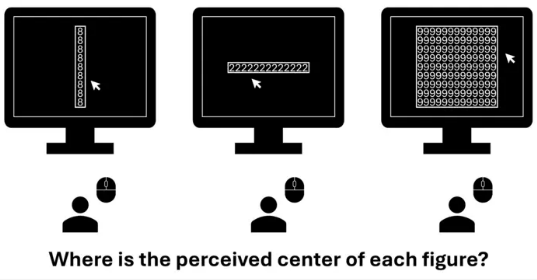
Object-Based Processing: Numbers Confuse How We Perceive Spaces

Researchers recently studied the relationship between numerical information in our vision, and...
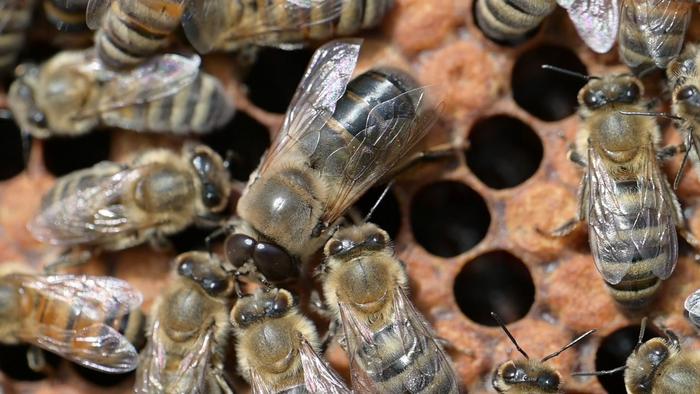
Males Are Genetically Wired To Beg Females For Food

Bees have the reputation of being incredibly organized and spending their days making sure our...

The Scorched Cherry Twig And Other Christmas Miracles Get A Science Look

Bleeding hosts and stigmatizations are the best-known medieval miracles but less known ones, like ...

$0.50 Pantoprazole For Stomach Bleeding In ICU Patients Could Save Families Thousands Of Dollars

The inexpensive medication pantoprazole prevents potentially serious stomach bleeding in critically...

User picture.
News StaffRSS Feed of this column.

News Releases From All Over The World, Right To You... Read More »

Blogroll

The future of cancer detection and treatment may be in gold nanoparticles - tiny pieces of gold so small they cannot be seen by the naked eye. The potential of gold nanoparticles has been hindered by the difficulty of making them in a stable, nontoxic form that can be injected into a patient. New research at the University of Missouri-Columbia has found that a plant extract can be used to overcome this problem, creating a new type of gold nanoparticle that is stable and nontoxic and can be administered orally or injected.

Because gold nanoparticles have a high surface reactivity and biocompatible properties, they can be used for in vivo (inside the body) molecular imaging and therapeutic applications, including cancer detection and therapy.

Seafood allergy sufferers may soon be able to eat prawns without the fear of an adverse reaction. Chinese scientists have taken a promising step towards removing from prawns the proteins that cause an allergic response without resorting to genetic manipulation, reports Lisa Richards in Chemistry & Industry, the magazine of the SCI.

Li Zhenxing led the research at the Ocean University of China. The team revealed that treating prawns with a combination of heat and irradiation significantly reduced the level of reactive proteins called allergens. They took blood from patients with shrimp allergies, added samples of treated and untreated prawn, and measured how antibodies in the blood reacted.

Use of growth hormone to boost athletic performance can lead to diabetes, reports a study published ahead of print in the British Journal of Sports Medicine.

The study reports the case of a 36 year old professional body-builder who required emergency care for chest pain.

He had lost 40 kg in 12 months, during which he had also experienced excessive urination, thirst, and appetite.

He admitted to using anabolic steroids for 15 years and artificial growth hormone for the past three. He had also taken insulin, a year after starting on the growth hormone.

Once roofed by ice for millennia, a 10,000 square km portion of the Antarctic seabed represents a true frontier, one of Earth's most pristine marine ecosystems, made suddenly accessible to exploration by the collapse of the Larsen A and B ice shelves, 12 and five years ago respectively. Now it has yielded secrets to some 52 marine explorers who accomplished the seabed's first comprehensive biological survey during a 10-week expedition aboard the German research vessel Polarstern.

While their families at home in 14 countries were enjoying New Year's dinners, experts on the powerful icebreaking research ship were logging finds from icy waters as deep as 850 meters off the Antarctic Peninsula – an area rapidly changing in fundamental ways.

Any dieter can tell you: Body weight is a function of how much food you eat and how much energy you use. The trick to maintaining a healthy weight lies in regulating the balance. Now new research from Rockefeller University suggests that brain cell receptors linked to sex hormones may play a role in the process by which we maintain that balance.

The findings show that metabolic syndrome, a cluster of conditions that includes obesity, insulin resistance and reduced physical activity, occurs in female mice when estrogen signaling in specific areas of the brain is shut down.

“It is well documented that mice missing the gene for estrogen receptor a become obese,” says Pfaff, head of the Laboratory of Neurobiology and Behavior.

Comet McNaught, the Great Comet of 2007, has been delighting those who have seen it with the unaided eye as a spectacular display in the evening sky. Pushing ESO's New Technology Telescope to its limits, a team of European astronomers have obtained the first, and possibly unique, detailed observations of this object.




