Banner
The Scorched Cherry Twig And Other Christmas Miracles Get A Science Look

Bleeding hosts and stigmatizations are the best-known medieval miracles but less known ones, like ...

$0.50 Pantoprazole For Stomach Bleeding In ICU Patients Could Save Families Thousands Of Dollars

The inexpensive medication pantoprazole prevents potentially serious stomach bleeding in critically...
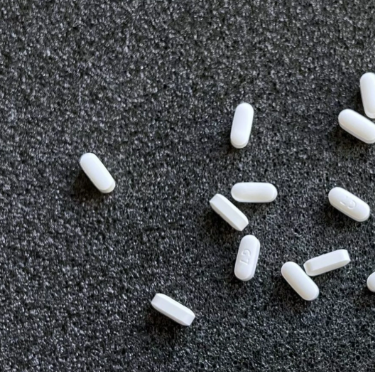
Metformin Diabetes Drug Used Off-Label Also Reduces Irregular Heartbeats

Adults with atrial fibrillation (AFib) who are not diabetic but are overweight and took the diabetes...

Your Predator: Badlands Future - Optical Camouflage, Now Made By Bacteria

In the various 'Predator' films, the alien hunter can see across various spectra while enabling...

User picture.
News StaffRSS Feed of this column.

News Releases From All Over The World, Right To You... Read More »

Blogroll
When consumers taste cheap wine and rate it highly because under the belief it is expensive, is it just a placebo or has belief actually changed their brain function, causing them to experience the cheap wine in the same physical way as the expensive wine? 

People enjoy identical products such as wine or chocolate more if they have a higher price tag so a new study examined the neural and psychological processes required for such marketing placebo effects to occur. The authors conclude that preconceived beliefs may create a placebo effect so strong that the actual chemistry of the brain changes in a brain imaging analysis.
The occurrence of altruism and spite - helping or harming others at a cost to oneself - depends on similarity not just between two interacting individuals but also to the rest of their neighbors, according to a new model developed by psychologist DB Krupp and mathematician Peter Taylor of Queen's University.

Individuals who appear very different from most others in a group will evolve to be altruistic towards similar partners, and only slightly spiteful to those who are dissimilar to them but individuals who appear very similar to the rest of a group will evolve to be only slightly altruistic to similar partners but very spiteful to dissimilar individuals, often going to extreme lengths to hurt them.

A study has shown a new way that brown fat, a potential obesity-fighting target, is regulated in the body. 

In an upcoming Cell Metabolism article,  researchers examined long non-coding RNA (Ribonucleic acid) in adipose (fat) tissue in mice. Long non-coding RNAs have recently become appreciated as important control elements for different biological functions in the body.

The team created a catalog of 1,500 long non-coding RNA in mouse adipose tissues - which is the most comprehensive catalog ever created of its type. Using the catalog they were then able to identify a specific long non-coding RNA without which the brown fat cell cannot develop properly.

Agriculture is a breathtaking achievement of modern science. We are on the path to being able to feed the world for the first time in history and the upward trend in obesity is due to the fact that more food has been produced at lower cost with less environmental strain than ever believed realistic.

But it still has a price. There are claims that approximately 35% of global greenhouse gases come from agriculture.

A new paper argues that regenerative, organic farming, ranching and land use could lead to sequestering several hundred billion tons of excess CO2. Increasing the soil's organic content will not only fix carbon and reduce emissions, it will also improve the soil's ability to retain water and nutrients and resist pests and droughts. 

It's a First World Idyll that ancient indigenous people sustained themselves using nature's bounty, in harmony with the land.

Science knows otherwise. Instead, from Alaska to Washington, indigenous people created productive clam gardens to ensure abundant and sustainable clam harvests. There was nothing natural about it.

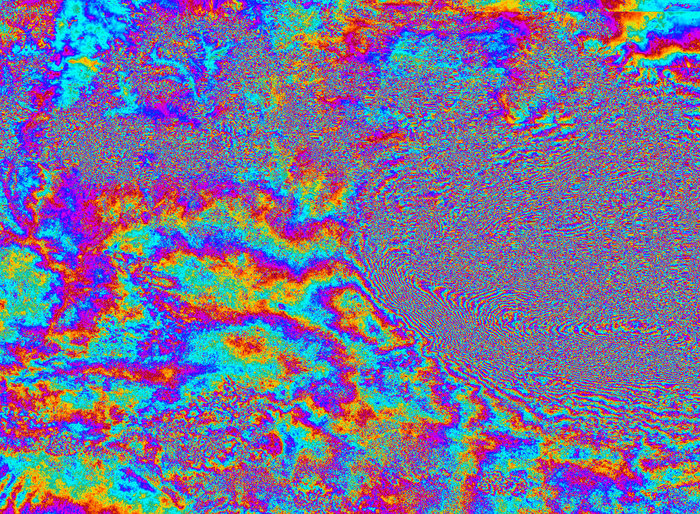
On April 25th, a 7.8-magnitude earthquake struck Nepal, claiming over 5,000 lives and affecting millions more. Relief efforts are under way and satellite imagery is helping to visualize the damage but radar images from the ESA Sentinel-1A satellite showed why Nepal’s capital, Kathmandu, experienced so much damage

The maximum land deformation, shown in before and after pictures, is 8 miles away. The two acquisition dates lead to rainbow-colored interference patterns in the combined image, known as an ‘interferogram’, enabling scientists to quantify the ground movement.