It's supposed to help keep our bodies healthy in stressful situations. But the constant stress of our everyday lives means we're getting overexposed to cortisol. Raychelle Burks, Ph.D., explains why too much cortisol is bad for you in the latest episode of the Reactions series Get To Know A Molecule.
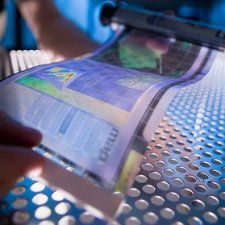
Display screens are everywhere but convenience needs are going up, not down, and people are wanting to break free of rigid monitors. The race is on to develop computer displays that can be easily rolled up and put away rather than requiring a flat surface for storage and transportation.
A new study suggests that a novel DNA-peptide structure can be used to produce thin, transparent, and flexible screens. The research, conducted researchers at Tel Aviv University, harnesses bionanotechnology to emit a full range of colors in one pliable pixel layer, as opposed to the several rigid layers that constitute today's screens.
Warming winters may be linked to mountain pine beetle outbreaks in the coldest areas of the western United States but the causes are multi-faceted, according to a new U.S. Forest Service study.
A new epidemiology paper on the effects of sedentary or 'sitting' time on diabetes risk matched the curves of television watching and obesity and correlated each hour spent watching TV daily with a 3.4 percent greater risk of developing diabetes.
There may be unconscious race and social class biases in trauma and acute-care clinicians, according to a survey, but they did not affects clinical decisions finds an analysis in JAMA Surgery.
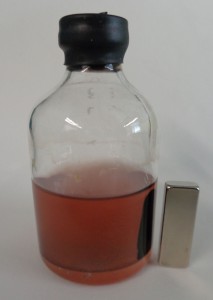
New research shows bacteria can use tiny magnetic particles to effectively create a 'natural battery.' The bacteria can load electrons onto and discharge electrons from microscopic particles of magnetite. This discovery holds out the potential of using this mechanism to help clean up environmental pollution, and other bioengineering applications.
Researchers from the University of Tübingen, the University of Manchester, and Pacific Northwest National Laboratory, USA, incubated the soil and water dwelling purple bacteria Rhodopseudomonas palustris with magnetite and controlled the amount of light the cultures were exposed to.


 Why Antarctic Sea Ice Stopped Growing In 2015
 Wealth Correlated To Loneliness
 Ousiometrics Analysis Says All Human Language Is Biased
  Wavelengths Of Light Are Why CO2 Cools The Upper Atmosphere But Warms Earth