
Banner
Why Antarctic Sea Ice Stopped Growing In 2015

Though numerical models and popular films like An Inconvenient Truth projected Arctic ice...

Wealth Correlated To Loneliness

You may have read that Asian cultures respect the elderly more than Europe but Asian senior citizens...
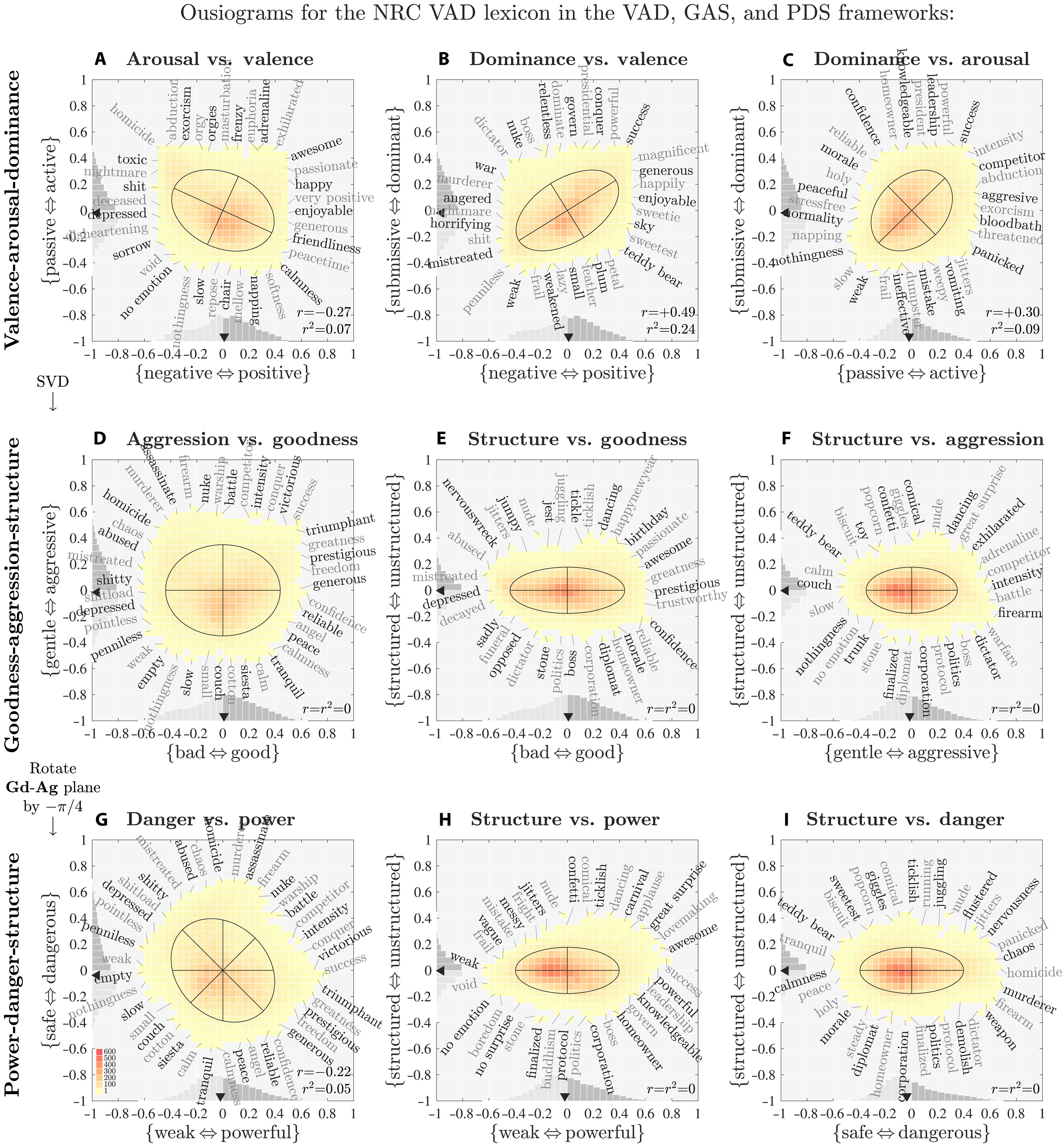
Ousiometrics Analysis Says All Human Language Is Biased

A new tool drawing on billions of uses of more than 20,000 words and diverse real-world texts claims...
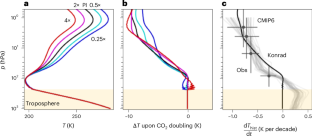
Wavelengths Of Light Are Why CO2 Cools The Upper Atmosphere But Warms Earth

There are concerns about projected warming on the Earth’s surface and in the lower atmosphere...

User picture.
News StaffRSS Feed of this column.

News Releases From All Over The World, Right To You... Read More »

Blogroll

Traditionally, to understand how a gene functions, a scientist would breed an organism that lacks that gene - "knocking it out" - then ask how the organism has changed. Are its senses affected? Its behavior? Can it even survive? Thanks to the recent advance of gene editing technology, this gold standard genetic experiment has become much more accessible in a wide variety of organisms. Now, researchers at Rockefeller University have harnessed a technique known as CRISPR-Cas9 editing in an important and understudied species: the mosquito, Aedes aegypti, which infects hundreds of millions of people annually with the deadly diseases chikungunya, yellow fever, and dengue fever.

Silicon wafer imaging technology has been modified to scan the human body down at the level of a single cell  - zooming in and out of a joint in the body like Google Maps does from the sky.

Coupled with Google algorithms, the imaging system developed by German optical and industrial measurement manufacturer Zeiss is able to zoom in and out from the scale of the whole joint down to the cellular level, reducing to "a matter of weeks analyses that once took 25 years to complete," said Professor Knothe Tate of UNSW Australia.

Boosting the photosynthetic efficiency of plants offers the best hope of increasing crop yields and feed a planet expected to have 9.5 billion people on it by 2050, according to a new report. 

Photosynthetic microbes offer other clues to improving photosynthesis in plants. For example, some bacteria and algae contain pigments that utilize more of the solar spectrum than plant pigments do. If added to plants, those pigments could bolster the plants' access to solar energy. Some scientists are trying to engineer C4 photosynthesis in C3 plants, but this means altering plant anatomy, changing the expression of many genes and inserting new genes from C4 plants.

A recent paper shows that it is possible to replace the clinical follow-up examinations recommended today with abortions that include a home pregnancy test while another paper contends that midwives can safely and effectively treat failed abortions and miscarriages in rural districts of Uganda.

The term 'incomplete abortion' is when there is residual tissue in the uterus following a failed abortion or a miscarriage. This can result in bleeding and infection and is a potentially life-threatening condition that can effectively be treated with the medicine misoprostol. Misoprostol is a prostaglandin analog that causes the uterus to contract and empty its contents.

Do you really cherish diversity? Self-identification on that issue tells us little, studies have shown that in America, liberals, for example, who claim to care more about diversity, are far more likely to unfriend people on social media who disagree with their beliefs, while both liberals and conservatives show a large amount of homophily, which makes them more polarized.

It isn't just the forests and tundra that can release climate warming and ozone-depleting chemicals, buildings can do it also, like when they crash into the ground following an earthquake and tsunami.  Emissions of these chemicals, called halocarbons, increased by 21 percent to 91 percent over typical levels,.

The 2011 Tohoku earthquake released thousands of tons of chemicals into the atmosphere, according to a new study which suggests that the thousands of buildings destroyed and damaged during the 9.0 magnitude earthquake and tsunami that struck Japan four years ago released 6,600 metric tons (7,275 U.S. tons) of gases stored in insulation, appliances and other equipment into the atmosphere.






