Banner
Why Antarctic Sea Ice Stopped Growing In 2015

Though numerical models and popular films like An Inconvenient Truth projected Arctic ice...

Wealth Correlated To Loneliness

You may have read that Asian cultures respect the elderly more than Europe but Asian senior citizens...
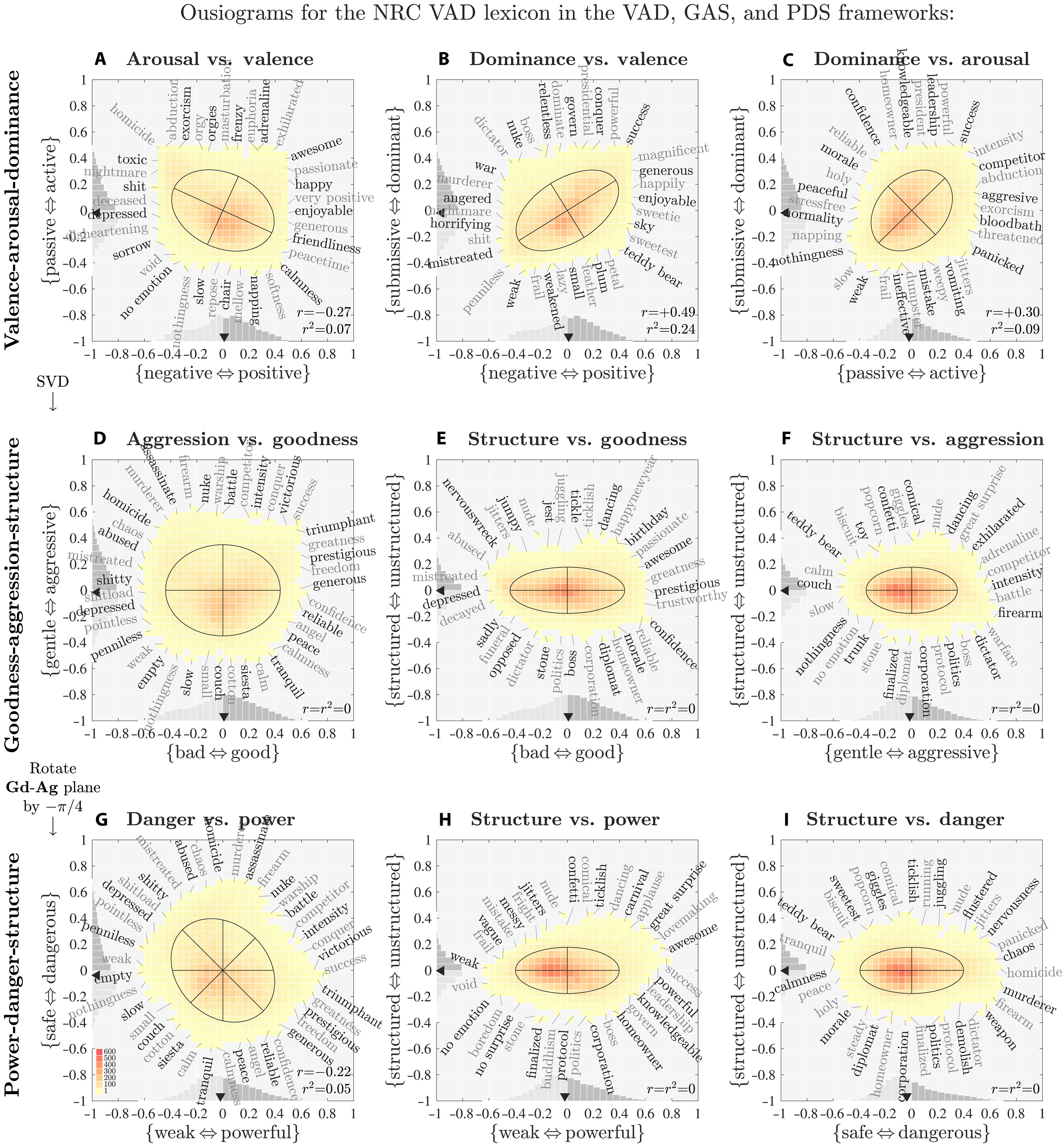
Ousiometrics Analysis Says All Human Language Is Biased

A new tool drawing on billions of uses of more than 20,000 words and diverse real-world texts claims...
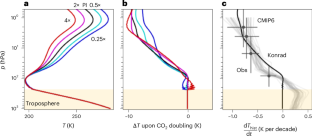
Wavelengths Of Light Are Why CO2 Cools The Upper Atmosphere But Warms Earth

There are concerns about projected warming on the Earth’s surface and in the lower atmosphere...

User picture.
News StaffRSS Feed of this column.

News Releases From All Over The World, Right To You... Read More »

Blogroll

The first blood test for osteoarthritis could soon be developed, thanks to research by the University of Warwick.

The research findings could potentially lead to patients being tested for osteoarthritis and diagnosed several years before the onset of physical symptoms.

Conducted by the University's Medical School, the research identified a biomarker linked to both rheumatoid and osteoarthritis.

Whilst there are established tests for rheumatoid arthritis (RA), the newly identified biomarker could lead to one which can diagnose both rheumatoid arthritis and osteoarthritis (OA).

A plant scientist from The Australian National University (ANU) has called for the United Nations to guarantee free and open access to plant DNA sequences to enable scientists to continue work to sustainably intensify world food production.

Dr Norman Warthmann, a plant geneticist at the ANU Research School of Biology, has lodged a submission with the UN, which is currently considering issues to include in its 2015 Global Sustainable Development Report.

Food security depends on an acceleration in plant breeding, which could be threatened by private companies restricting access to genomic information, Dr Warthmann said.

Sipuleucel-T (trade name Provenge) has been approved since September 2014 for men with metastatic prostate cancer who have few or no symptoms and do not yet require chemotherapy. In the dossier assessment conducted by the German Institute for Quality and Efficiency in Health Care (IQWiG) in January 2015, no added benefit could be derived for sipuleucel-T.

In an addendum, the Institute now examined information subsequently submitted by the manufacturer in the commenting procedure: According to the findings, there is an indication of added benefit; however, the extent is non-quantifiable.

Mortality: data in the dossier incomplete and not interpretable

A new international study casts doubt on the leading theory of what causes ice ages around the world -- changes in the way the Earth orbits the sun.

The researchers found that glacier movement in the Southern Hemisphere is influenced primarily by sea surface temperature and atmospheric carbon dioxide rather than changes in the Earth's orbit, which are thought to drive the advance and retreat of ice sheets in the Northern Hemisphere.

The findings appear in the journal Geology. A PDF is available on request.

Scientists should reduce antibiotic use in lab experiments - according to a researcher at the University of East Anglia.

Microbiology, molecular biology and genetic research such as the Human Genome Project use antibiotics in experiments.

But it all adds to the global problem of antibiotic resistance according to Dr Laura Bowater, from UEA's Norwich Medical School.

A new article published today in the Journal of Antimicrobial Chemotherapy highlights the problem.

Dr Bowater said: "The discovery of antibiotics was heralded as a magic bullet for modern medicine. Using antibiotics in research has transformed scientific discovery. But now antibiotic resistance is a catastrophic threat -and it threatens the achievements of modern medicine.

Recycling plastic works, additives to biodegrade plastic do not, according to a new study from Michigan State University which finds that several additives that claim to break down polyethylene (i.e., plastic bags) and polyethylene terephthalate (i.e., soda bottles) simply don't work in common disposal situations such as landfills or composting.

"Making improper or unsubstantiated claims can produce consumer backlash, fill the environment with unwanted polymer debris and expose companies to legal penalties," said Susan Selke, co-author of the study and MSU packaging professor.

Credit: Courtesy of MSU