Banner
Why Antarctic Sea Ice Stopped Growing In 2015

Though numerical models and popular films like An Inconvenient Truth projected Arctic ice...

Wealth Correlated To Loneliness

You may have read that Asian cultures respect the elderly more than Europe but Asian senior citizens...
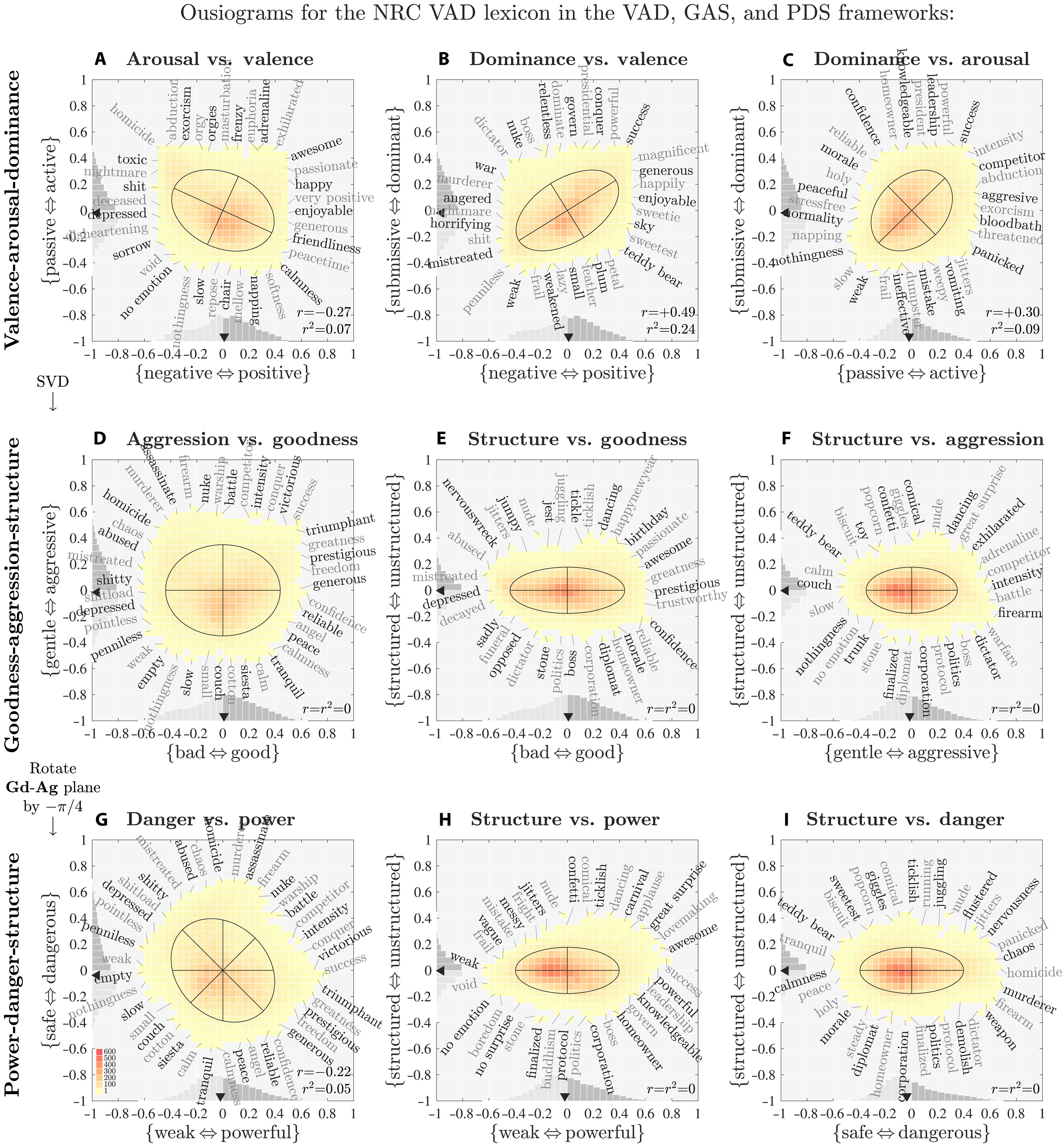
Ousiometrics Analysis Says All Human Language Is Biased

A new tool drawing on billions of uses of more than 20,000 words and diverse real-world texts claims...

Wavelengths Of Light Are Why CO2 Cools The Upper Atmosphere But Warms Earth

There are concerns about projected warming on the Earth’s surface and in the lower atmosphere...

User picture.
News StaffRSS Feed of this column.

News Releases From All Over The World, Right To You... Read More »

Blogroll
Self-administered questionnaires sent to 364 Japanese medical journalists allowed them to describe their experiences in selecting stories, choosing angles, and performing research when creating cancer-centered news pieces.

The journalists report that they did not find pharmaceutical press releases to be helpful, preferring direct contact with physicians as their most reliable and prized sources of information. This is much different than in America, where it is assumed that the experts know the most about study results and methodology and anecdotes from doctors are less valuable.
Mitochondria produce adenosine triphosphate (ATP), commonly called the universal energy currency of the body.

The driver for this process is an electrochemical membrane potential, which is created by a series of proton pumps - positive charges and negative ones. These complex, macromolecular machines are collectively known as the respiratory chain.

The structure of the largest protein complex in the respiratory chain, that of mitochondrial complex I, has been examined by scientists from the Frankfurt "Macromolecular Complexes" cluster of excellence, working together with the University of Freiburg, by X-ray diffraction analysis.
What exactly is cometary globule CG4? 

That's still a bit of a mystery. Despite the name, it has nothing to do with comets. In 1976, several elongated comet-like objects were discovered in pictures taken with the UK Schmidt Telescope in Australia. Because of their appearance, and despite any connection with comets, they became known as cometary globules. They were all located in a huge patch of glowing gas called the Gum Nebula. They had dense, dark, dusty heads and long, faint tails, which were generally pointing away from the Vela supernova remnant located at the center of the Gum Nebula. Although these objects are relatively close by, it took astronomers a long time to find them as they glow very dimly and are therefore hard to detect.

As predators go, cone snails are slow-moving and lack the typical fighting parts. They've made up for it by producing a vast array of fast-acting toxins that target the nervous systems of prey. A new study reveals that some cone snails add a weaponized form of insulin to the venom cocktail they use to disable fish.

"It is very unlikely that it is serving a different purpose," said lead author Helena Safavi-Hemami, a research assistant professor at the University of Utah.

"This is a unique type of insulin. It is shorter than any insulin that has been described in any animal," said senior author Baldomero M. Olivera, a distinguished professor of biology at the University of Utah. "We found it in the venom in large amounts."

Recent research has linked autism with a lack of "pruning" in developing brain connections, but a new Dartmouth study suggests instead it is the excessive growth of new connections that causes sensory overload in people with the disorder.

The results, which have broad implications for understanding the neurobiological basis of autism spectrum disorders, appear in The Journal of Neuroscience. A PDF of the study is available on request.

Every business wants to capitalize on imagination and innovation - but a corporate structure may be the wrong way to promote it. And if you really want to kill creativity, have social authoritarians in government controlling your culture.

Collectivism is bad for the imagination. It's hard to think about art when you have to think about the good of the state, according to a paper in the Journal of Business Research, which compared nearly 300 individuals from Taiwan, a collectivist society, and Canada, slightly more individualistic.