Banner
Why Antarctic Sea Ice Stopped Growing In 2015

Though numerical models and popular films like An Inconvenient Truth projected Arctic ice...
Wealth Correlated To Loneliness

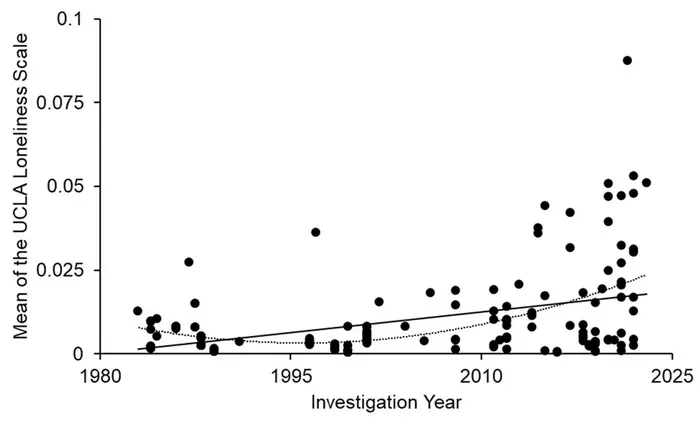
You may have read that Asian cultures respect the elderly more than Europe but Asian senior citizens...
Ousiometrics Analysis Says All Human Language Is Biased

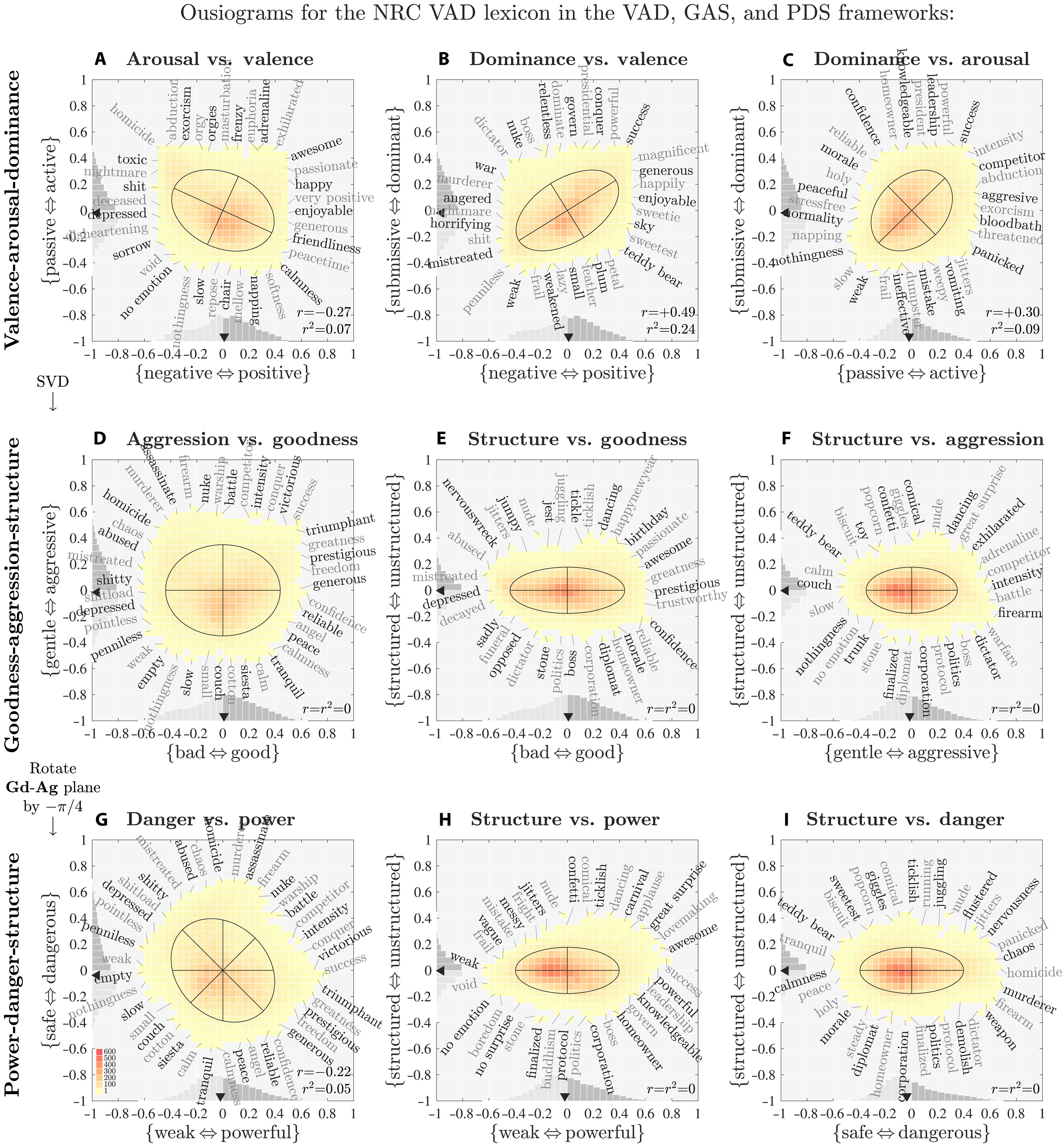
A new tool drawing on billions of uses of more than 20,000 words and diverse real-world texts claims...
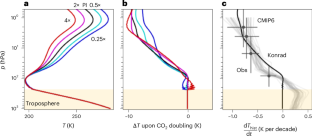
Wavelengths Of Light Are Why CO2 Cools The Upper Atmosphere But Warms Earth

There are concerns about projected warming on the Earth’s surface and in the lower atmosphere...

User picture.
News StaffRSS Feed of this column.

News Releases From All Over The World, Right To You... Read More »

Blogroll
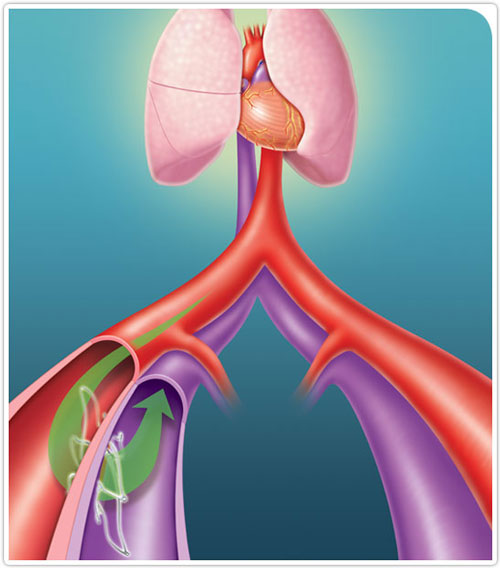
A new device developed by ROX Medical and named the 'Coupler' is a paper clip-sized implant which is inserted between the artery and vein in the upper thigh that has been shown to significantly lower blood pressure among patients with uncontrolled high blood pressure, compared to those treated with usual drug measures.

 It can be inserted in a procedure lasting around 40 minutes under local anesthetic.  

Heart function and blood pressure in mice exposed to bisphenol A (BPA) from birth though young adulthood are affected differently in males and females, with females at greater risk of damage from stress, a study from a University of Cincinnati (UC) researcher has found.

A research team led by Scott Belcher, PhD, professor of pharmacology and cell biophysics, Robin Gear, principal research assistant, and Eric Kendig, PhD, former UC postdoctoral fellow, found that in young BPA exposed female mice, the heart is more sensitive to stress-induced ischemic damage in a way not observed in untreated female mice.

Common wisdom and prior economic research suggest that an inventor filing a patent would want to keep the technical know-how secret as long as possible. But a new study of nearly 2 million patents in the United States shows that inventors are not as concerned with secrecy as previously thought. Researchers found that since 2000, most inventors when given the choice opted to disclose information about their patents before patent approval - even small inventors - and this disclosure correlates with more valuable patents.

As dairy farmers across Europe anxiously await the lifting of EU milk quotas in April this year, new research from the University of Bristol, UK has revealed the antiquity of dairy farming in a region famous for its dairy exports: Ireland.

Research published today in the Journal of Environmental Archaeology shows that dairying on the island goes back approximately 6,000 years, revealed through traces of ancient dairy fats found in pots dating to around 4,000 to 2,500 BC.

A medical researcher at the University of Warwick has found the 2,500 year-old Pythagoras theorem could be the most effective way to identify the point at which a patient's health begins to improve.

In a new paper, Dr Rob Froud from Warwick Medical School at the University of Warwick and Gary Abel from the University of Cambridge made the discovery after looking at data from ROC (Receiver Operating Characteristic) curves.

These curves were initially developed during World War II for the analysis of signals to help operators decide whether a blip on the screen was an enemy target or allied forces ships or aircrafts. In the 1980s, the curves were adopted by epidemiologists to help them decide at what point an individual has recovered from an illness.

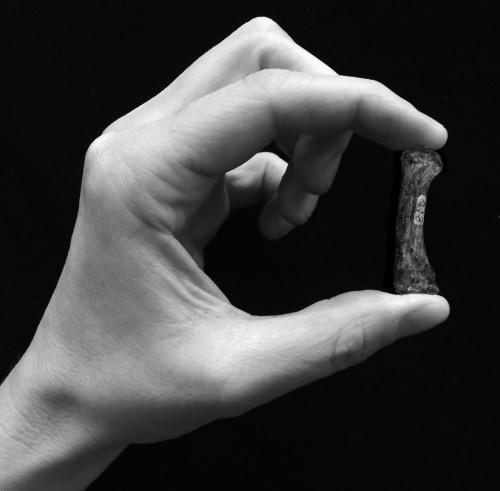
Social scientists believe that pre-Homo human ancestral species, such as Australopithecus africanus, used human-like hand postures much earlier than was previously thought.

The authors say they have the first archaeological evidence for stone tool use among fossil australopiths 3-2 million years ago. The distinctly human ability for forceful precision (e.g. when turning a key) and power "squeeze" gripping (e.g. when using a hammer) is linked to two key evolutionary transitions in hand use: a reduction in arboreal climbing and the manufacture and use of stone tools. However, it is unclear when these locomotory and manipulative transitions occurred.