Banner
How To Overcome Leadership Battles

In times of social rancor and strife, most will fight each other, but societies are saved by those...
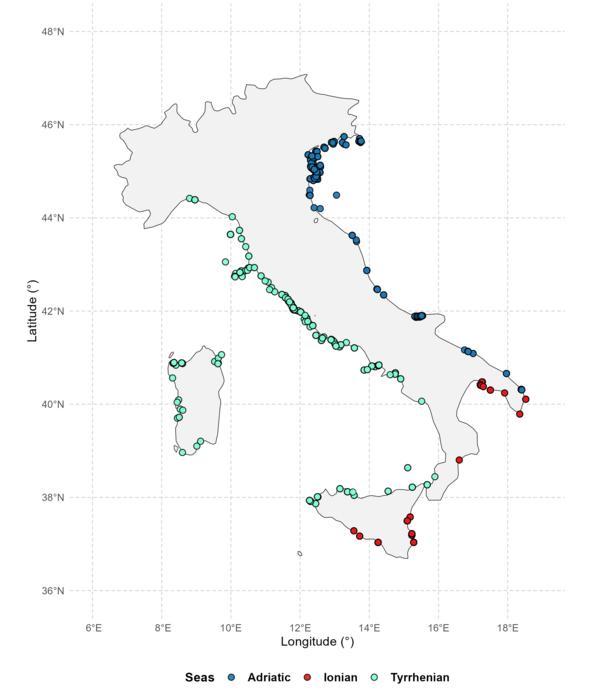
Thousands Of Unpublished Studies Show Why Conservation Efforts Miss The Mark

Europe alone has so much unpublished, un-catalogued biological data that it is challenging to take...

Why Antarctic Sea Ice Stopped Growing In 2015

Though numerical models and popular films like An Inconvenient Truth projected Arctic ice...
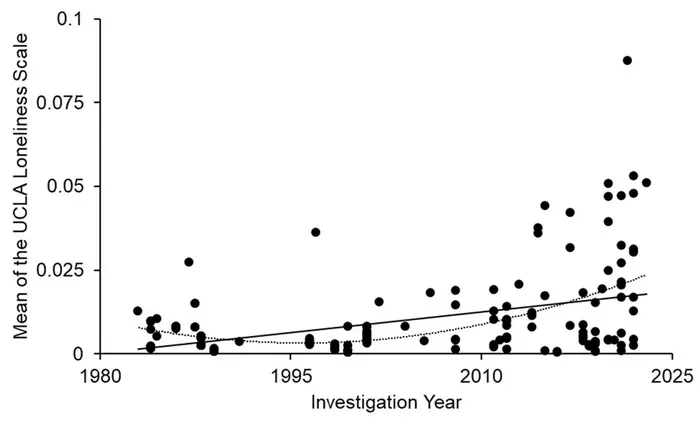
Wealth Correlated To Loneliness

You may have read that Asian cultures respect the elderly more than Europe but Asian senior citizens...

User picture.
News StaffRSS Feed of this column.

News Releases From All Over The World, Right To You... Read More »

Blogroll

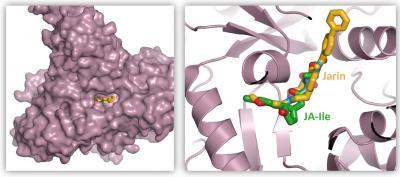
Researchers trying to get new information about the metabolism of plants can switch off individual genes and study the resulting changes but researchers in a new study adopted a different approach.

 Erich Kombrink from the Max Planck Institute for Plant Breeding Research in Cologne and Markus Kaiser from the University of Duisburg-Essen have identified small molecules that block specific components of the metabolic process like brake pads and prevent the downstream reactions. In their search for these molecules, they used a biological selection process involving intact plants, a technique borrowed from corporate drug research.

Can math be evidence? Not ordinarily, but recent calculations are compelling because they show that particles predicted by the theory of quark-gluon interactions but never observed are being produced in heavy-ion collisions at the Relativistic Heavy Ion Collider (RHIC), located at Brookhaven National Laboratory.

They just need to be detected. These heavy strange baryons, containing at least one strange quark, still cannot be observed directly, but instead are making their presence known by lowering the temperature at which other strange baryons "freeze out" from the quark-gluon plasma (QGP) discovered and created at the RHIC.

American CO2 emissions have plummeted thanks to natural gas and energy emissions from coal have not been this low since the early 1980s, but a decades long war against energy science meant nuclear power - a truly viable emissions-free source - was scuttled and that meant more coal plants starting in the early 1990s, which meant more CO2.

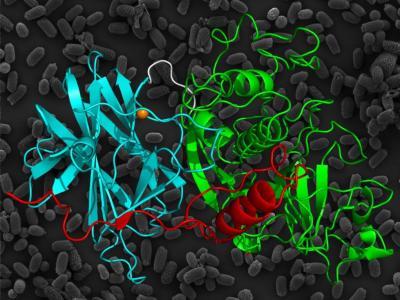
The bacterium Clostridium difficile causes antibiotic-related diarrhea and is a growing problem in the hospital environment and elsewhere in the community. Understanding how the microbe colonizes the human gut when other "healthy" microbes have been destroyed during a course of antibiotics might lead to new ways to control infection.

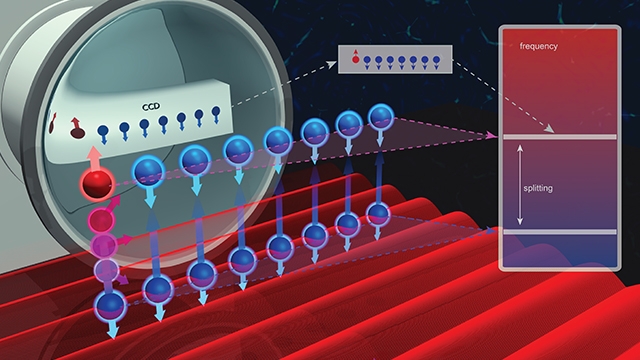
Magnetic resonance imaging (MRI) is the medical application of nuclear magnetic resonance spectroscopy and a powerful diagnostic tool.

It works by resonantly exciting hydrogen atoms and measuring the relaxation time -- different materials return to equilibrium at different rates; this is how contrast develops (i.e. between soft and hard tissue). By comparing the measurements to a known spectrum of relaxation times, medical professionals can determine whether the imaged tissue is muscle, bone, or even a cancerous growth.

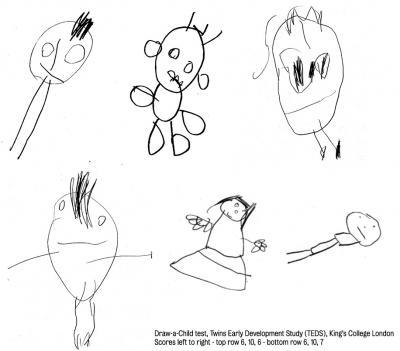
In Psychological Science, results from 7,752 pairs of identical and non-identical twins (a total of 15,504 children) from the Medical Research Council (MRC) funded Twins Early Development Study (TEDS) showed that how 4-year old children draw pictures of a child was an indicator of intelligence at age 14 - and the link between drawing and later intelligence was influenced by genes.