Banner
Pilot Study: Fibromyalgia Fatigue Improved By TENS Therapy

Fibromyalgia is the term for a poorly-understood condition where people experience pain and fatigue...

High Meat Consumption Linked To Lower Dementia Risk

Older people who eat large amounts of meat have a lower risk of dementia and cognitive decline...

Long Before The Inca Colonized Peru, Natives Had A Thriving Trade Network

A new DNA analysis reveals that long before the Incan Empire took over Peru, animals were...

Mesolithic People Had Meals With More Tradition Than You Thought

The common imagery of prehistoric people is either rooting through dirt for grubs and picking berries...

User picture.
News StaffRSS Feed of this column.

News Releases From All Over The World, Right To You... Read More »

Blogroll

Humans didn't cause problems for everything we get blamed for but DNA evidence in a paper suggests that the ancient New Zealand megaherbivore, moa, a distant relative of the Australian Emu, did go extinct shortly after Polynesians arrived  in the late 1200s.

All nine species of New Zealand moa, the largest weighing up to 250 kilograms, have been gone for centuries and other studies suggest that huge populations of moa had collapsed before people arrived and hence influences other than people were responsible for the extinction, like climate change killing the vegetation. Instead, the authors say humans killed the environment and that killed the moa.

In 2011, Rice Religious Studies graduate student Grant Adamson was doing a summer internship at Brigham Young University and tackled something that no one had been able to do in a hundred years - he deciphered 1,800-year-old letter from an Egyptian solider serving in a Roman legion in Europe.

While young people always think their situation is exceptional and previous generations just don't understand, the letter shows the Roman soldier had many feelings similar to what some soldiers feel today.

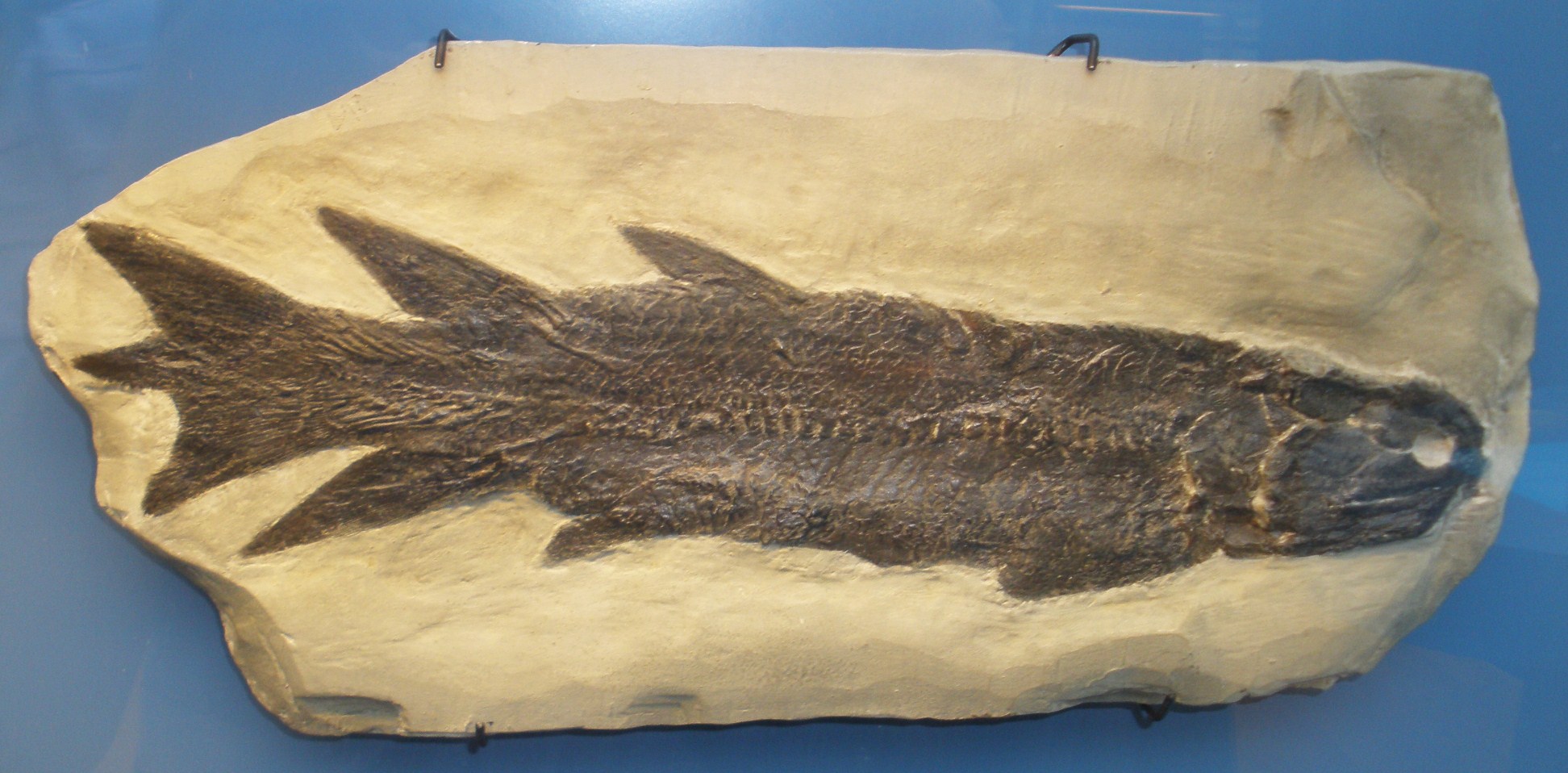
Researchers have found the earliest fossil evidence for the presence of bone marrow in the fin of a 370 million-year-old fish,
Eusthenopteron, a Devonian lobe-finned fish from Miguasha in Canada that is closely related to the first tetrapods.

According to Dr. Fletcher, typical approaches for evaluating anti-obesity type drugs rely on more subjective methods—like having test subjects self-report their ratings of hunger and cravings.

"When a person is asked how much they subjectively desire a food, they may feel pressured to give a 'correct' rather than a true answer," said Dr. Fletcher, "[Our] grip force task may, under certain circumstances, present a more accurate reflection of what they really want."

The heart disease drug perhexiline is one of 101 compounds predicted to prevent cancer growth in most patients suffering from our most common liver cancer, HCC. This is an outcome from a novel simulation-based approach using personal sets of proteins of six HCC patients.

"This is the first time personalized models have been used to find and evaluate new potential drugs," says Professor Jens Nielsen at Chalmers University of Technology.
--

The popular belief is that religion and being poor are the biggest risk factors for violent radicalization but a new analysis by Queen Mary University of London has instead found that youth, wealth, and being in full-time academia are more common in the UK.

The pioneering research assessed population prevalence of sympathies for terrorist acts – a key marker of vulnerability to violent radicalisation – and their relationship with commonly assumed causes of radicalisation. The community study surveyed over 600 men and women of Pakistani, Bangladeshi and Muslim heritage in London and Bradford, aged 18-45.