Banner
Pilot Study: Fibromyalgia Fatigue Improved By TENS Therapy

Fibromyalgia is the term for a poorly-understood condition where people experience pain and fatigue...

High Meat Consumption Linked To Lower Dementia Risk

Older people who eat large amounts of meat have a lower risk of dementia and cognitive decline...

Long Before The Inca Colonized Peru, Natives Had A Thriving Trade Network

A new DNA analysis reveals that long before the Incan Empire took over Peru, animals were...

Mesolithic People Had Meals With More Tradition Than You Thought

The common imagery of prehistoric people is either rooting through dirt for grubs and picking berries...

User picture.
News StaffRSS Feed of this column.

News Releases From All Over The World, Right To You... Read More »

Blogroll

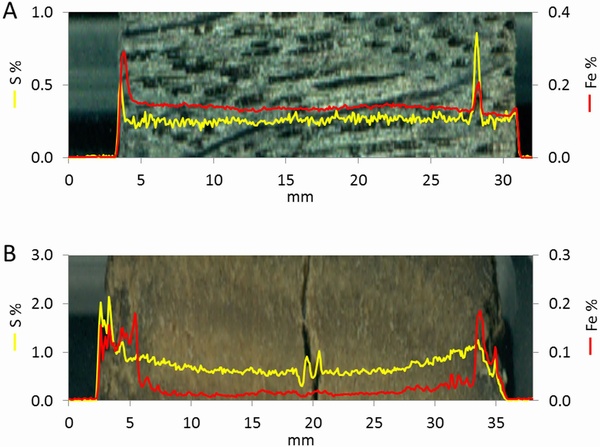
Analysis of the wood from three 17th century shipwrecks in the Baltic Sea, the Ghost wreck, the Crown and the Sword, showed high concentrations of sulfur and iron using X-ray fluorescence (XRF) scanning.

Scientists from the same team have previously reported large amounts of sulfur and iron accumulation in the warship Vasa. In that study, the scientists found an outbreak of acidity and sulphate salts on the surface of the hull and other wooden objects.

There is a naive belief among some advocates that if people just had more money, their problems would be solved. Yet the saying 'money does not solve everything' exists as a truism for good reason.

Less worry about basic needs is obviously good for society - in developing nations, farmers that were able to use science and technology to be competitive with Europe and America showed dramatic improvements for their own families and their communities - and once basic needs are met there is more time to focus on education and culture. In America, this was accomplished in the last century by providing cheap electricity for all.

In a new Hubble telescope image, spiral galaxy ESO 137-001 is zooming toward the upper right, in between other galaxies in the Norma cluster located over 200 million light-years away.

The road is perilous: intergalactic gas in the Norma cluster is sparse, but so hot at 180 million degrees Fahrenheit that it glows in X-rays.

The spiral plows through the seething intra-cluster gas so rapidly, at nearly 4.5 million miles per hour, that much of its own gas is caught and torn away. Astronomers call this "ram pressure stripping." The galaxy's stars remain intact due to the binding force of their gravity.

A comparison of two hospitals and pertussis, one of which followed standard procedures and another that implemented a physician opt-in order initially and then a standing order for new mothers to receive the tetanus toxoid, reduced diphtheria toxoid and acellular pertussis vaccine (Tdap) before discharge, found that there was a 69% increase in the new mothers' pertussis vaccination rate, providing protection for themselves and their newborns against the disease, commonly known as whooping cough.

There is good news for smokers; a cigarette is apparently no more harmful for us than a chicken wing.

Or it's bad news for those Paleo diet people - they might as well be smoking cigarettes.

Or if you have seen scare journalism and miracle vegetable claims based on population statistics for more than a few years, you just take the whole thing with a grain of salt (but not too much salt!) and keep doing what you are doing.

NEW YORK (March 4, 2014) -- Terminal cancer patients who receive chemotherapy in the last months of their lives are less likely to die where they want and are more likely to undergo invasive medical procedures than those who do not receive chemotherapy, according to research in this week's BMJ. The findings underscore a disconnect between the type of care many cancer patients say they want and the kind they receive, and highlight the need for clearer and more balanced discussion of the harms and benefits of palliative chemotherapy at the end of life by doctors, patients and families, the study authors say.