Banner
Pilot Study: Fibromyalgia Fatigue Improved By TENS Therapy

Fibromyalgia is the term for a poorly-understood condition where people experience pain and fatigue...

High Meat Consumption Linked To Lower Dementia Risk

Older people who eat large amounts of meat have a lower risk of dementia and cognitive decline...

Long Before The Inca Colonized Peru, Natives Had A Thriving Trade Network

A new DNA analysis reveals that long before the Incan Empire took over Peru, animals were...

Mesolithic People Had Meals With More Tradition Than You Thought

The common imagery of prehistoric people is either rooting through dirt for grubs and picking berries...

User picture.
News StaffRSS Feed of this column.

News Releases From All Over The World, Right To You... Read More »

Blogroll

One of the less positive aspects of race-baiting culture left over from the 1960s is the charge that you are 'not black enough' if you don't dress, act or speak in a stereotypical way.

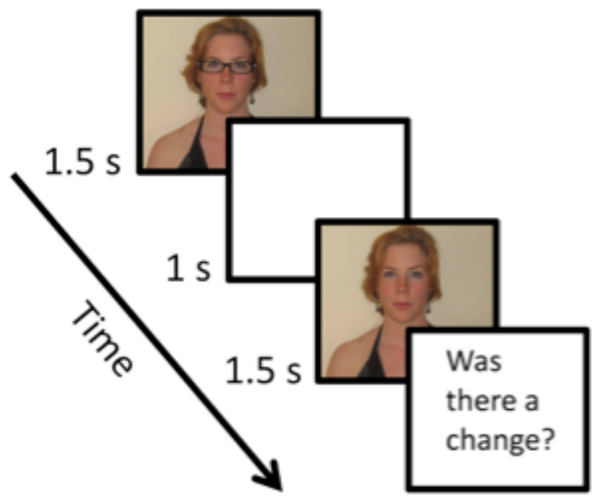
A paper has determined that while people can reliably become aware of changes - visual awareness can extend beyond objects we focus on - that doesn't mean we can identify what has changed.  Their example is that a person might notice a general change in someone's appearance but not be able to identify that the person had had a haircut.  

Lead author Dr. Piers Howe from the Melbourne School of Psychological Sciences said the research is the first to show in a scientific study that people can reliably sense changes that they cannot visually identify. 

You may think you eat too much but humans (and other primates) actually burn 50% fewer calories each day than other mammals, according to a study in the Proceedings of the National Academy of Sciences.

Our remarkably slow metabolisms explain why humans and other primates grow up slowly and live long lives.

A new blood test developed by ImmusanT in Boston and the Walter and Eliza Hall Institute can rapidly and accurately diagnose celiac disease without the need for prolonged gluten exposure, according to a preliminary result with 48 participants.

The new diagnostic test gave a result within 24 hours and the preliminary findings indicated it could accurately detect celiac disease. Larger studies will be needed to verify the results.

For decades, some minority students (blacks, Latinos, native Americans) were given preferential treatment in college admissions while other minorities (Asians) were penalized. This posed a legal and cultural dilemma. Stipulating that recruitment must occur “without regard to race, color, or creed” except for certain groups was seemingly in conflict with the 14th Amendment to the Constitution, which forbids consideration of race.

A little studied chemical compound dubbed BMH-21 targets and shuts down a common cancer process in laboratory-grown human tumor cell lines.  BMH-21  disrupted tumor cell division and prevented growth of advanced cancer cells. 

Johns Hopkins researcher Marikki Laiho, M.D., Ph.D., and colleagues focused on the ability ofBMH-21 to sabotage the transcription pathway RNA Polymerase pathway (POL I), shutting down the ability of mutant cancer genes to communicate with cells and replicate. Their research linked the pathway to p53 gene activity. P53 is a tumor suppressor gene, a protein that regulates cell growth, and it is the most frequently mutated suppressor gene in cancer.