

Banner
Synchrotron Could Shed Light On Exotic Dark Photons

There are many hypothetical particles proposed to explain dark matter and one idea to explore how...

The Pain Scale Is Broken But This May Fix It

Chronic pain is reported by over 20 percent of the global population but there is no scientific...
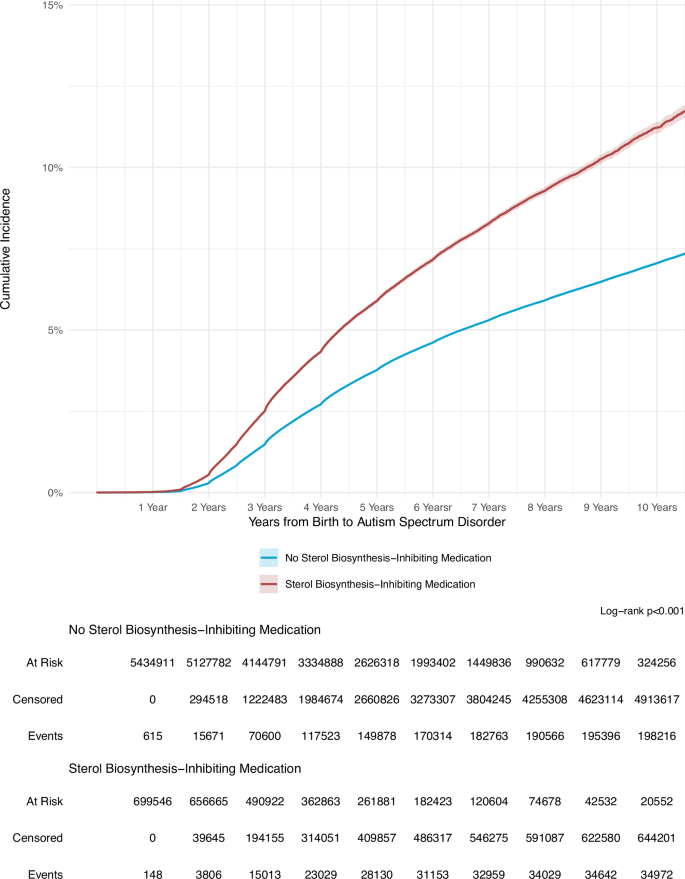
Study Links Antidepressants, Beta-blockers and Statins To Increased Autism Risk

An analysis of 6.14 million maternal-child health records  has linked prescription medications...

Pilot Study: Fibromyalgia Fatigue Improved By TENS Therapy

Fibromyalgia is the term for a poorly-understood condition where people experience pain and fatigue...

User picture.
News StaffRSS Feed of this column.

News Releases From All Over The World, Right To You... Read More »

Blogroll

For two decades, carbon dioxide was touted as the silver bullet for halting climate change.  What about methane, what about NO2, and what about soot?

Soot, that black carbon that causes smoggy skies (and has sent Beijing's Pollution Index right off the charts) is the number two contributor to global warming, second to carbon dioxide, according to a four-year assessment by an international panel that is not the Intergovernmental Panel on Climate Change. 

The new study concludes that black carbon, the soot particles in smoke and smog, contributes about twice as much to global warming as previously estimated by the 2007 IPCC report.

Want concerns about transmission of disease and antibiotic resistance to get attention?  Show that pretty tropical fish are at risk.

The $15 billion ornamental fish industry has sounded the alarm about antibiotic resistance because of concerns that treatments for fish diseases may not work when needed – and creating yet another mechanism for exposing humans to antibiotic-resistant bacteria. The risk to humans is minor unless they frequently work with fish or have compromised immune systems, researchers said, but more serious is the risk to this industry, which has grown significantly in recent years, and is now a $900 million annual business just in the United States.

Researchers have discovered a way to stimulate the brain's natural defense mechanisms in people with Alzheimer's disease. 

One of the main characteristics of Alzheimer's disease is the production in the brain of the toxic molecule amyloid beta. Microglial cells, the nervous system's defenders, are unable to eliminate this substance, which forms deposits called senile plaques. 

Scientists have established that the majority of ozone-depleting iodine oxide observed over the remote ocean comes from a previously unknown marine source - the principal source of iodine oxide can be explained by emissions of hypoiodous acid (HOI), a gas not yet considered as being released from the ocean, along with a contribution from molecular iodine (I2).

Since the 1970s when methyl iodide (CH3I) was discovered as ubiquitous in the ocean, the presence of iodine in the atmosphere has been understood to arise mainly from emissions of organic compounds from phytoplankton -- microscopic marine plants.

The HIrisPlex DNA analysis system
that can establish hair and eye color from forensic samples in modern crime scenes can also identify details from ancient human remains, according to a paper which used the system to reconstruct hair and eye color from teeth up to 800 years old.

The system looks at 24 DNA polymorphisms, naturally occurring variations, which can be used to predict eye and hair color  from human remains such as teeth and bones.

The IFIT protein enables the human immune system to detect viruses and prevent infection by acting as foot soldiers guarding the body against infection. They recognize foreign viral ribonucleic acid (RNA) produced by the virus and act as defender molecules by potentially latching onto the genome of the virus and preventing it from making copies of itself, blocking infection.





